Color gets the customer in the chair, but the structural formula keeps them coming back. If your base coat lifts, or your top coat yellows after two weeks, the client blames your brand.
Global salon demands are shifting away from basic three-step gel systems toward specialized, high-performance chemistry. Different geographic regions and salon models require completely different viscosities and adhesion properties.
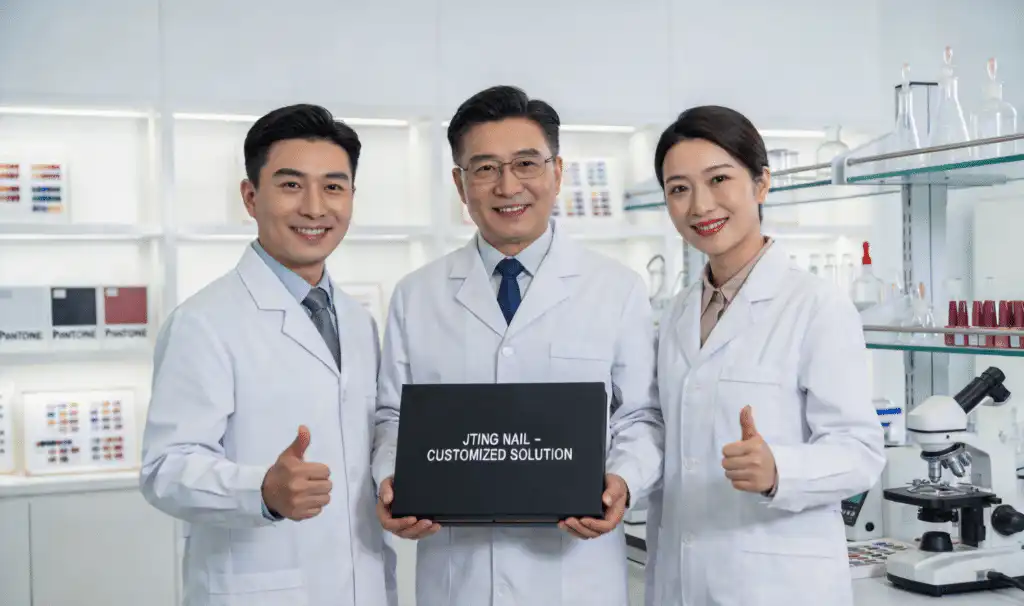
As a formulation chemist at JTING NAIL, I guide international brands in structuring their product lines. Here are the most demanded gel formulas in the global market right now, and the chemical realities behind manufacturing them.
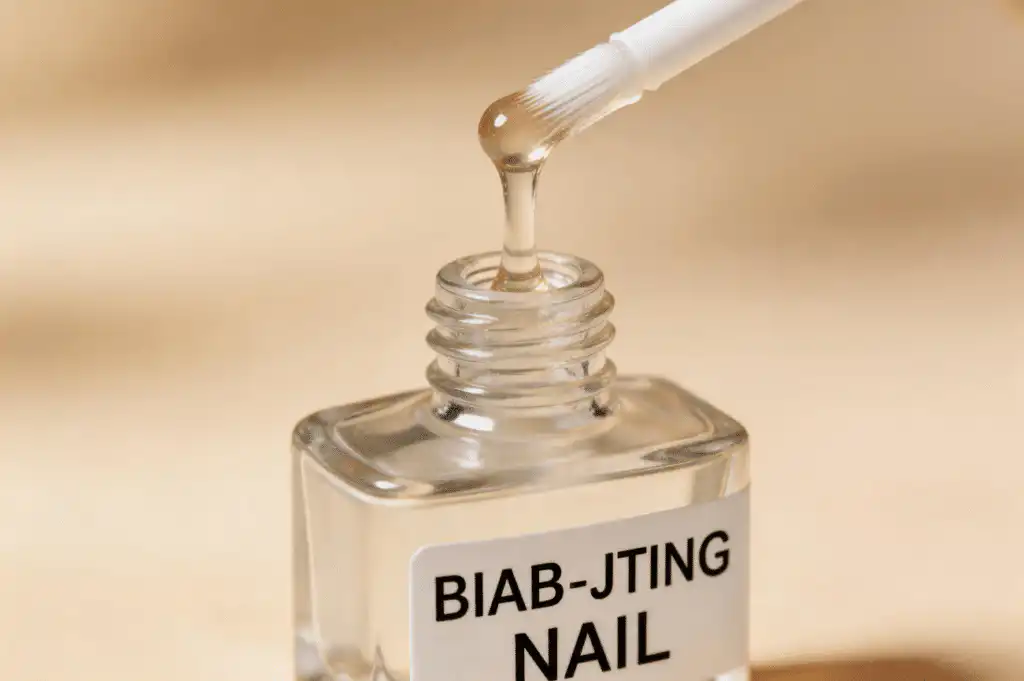
1. High-Viscosity Builder Gels (BIAB)
The demand for Builder In A Bottle (BIAB) has exploded across Europe and Australia. Clients want the strength of acrylics without the damage or the odor. A high-quality builder gel must balance two opposing forces: thickness and self-leveling. It needs enough viscosity to build a high apex on the nail plate, but it must self-level quickly enough so the technician doesn’t waste time filing.
JTING NAIL Laboratory Advice: The secret to a premium builder gel lies in the oligomer selection. We use customized urethane acrylates that react to the warmth of the natural nail bed, allowing the gel to flow perfectly into place while maintaining a rigid, impact-resistant structure after curing.
2. Extreme Scratch-Resistant Non-Wipe Top Coats
A top coat is a protective shield. In the US market, where clients expect a manicure to last over three weeks, the demand for tempered or extreme-wear non-wipe top coats is absolute. Many standard top coats develop micro-scratches within days, which trap dirt and look dull. Furthermore, cheap top coats turn yellow when exposed to sunlight or tanning beds.
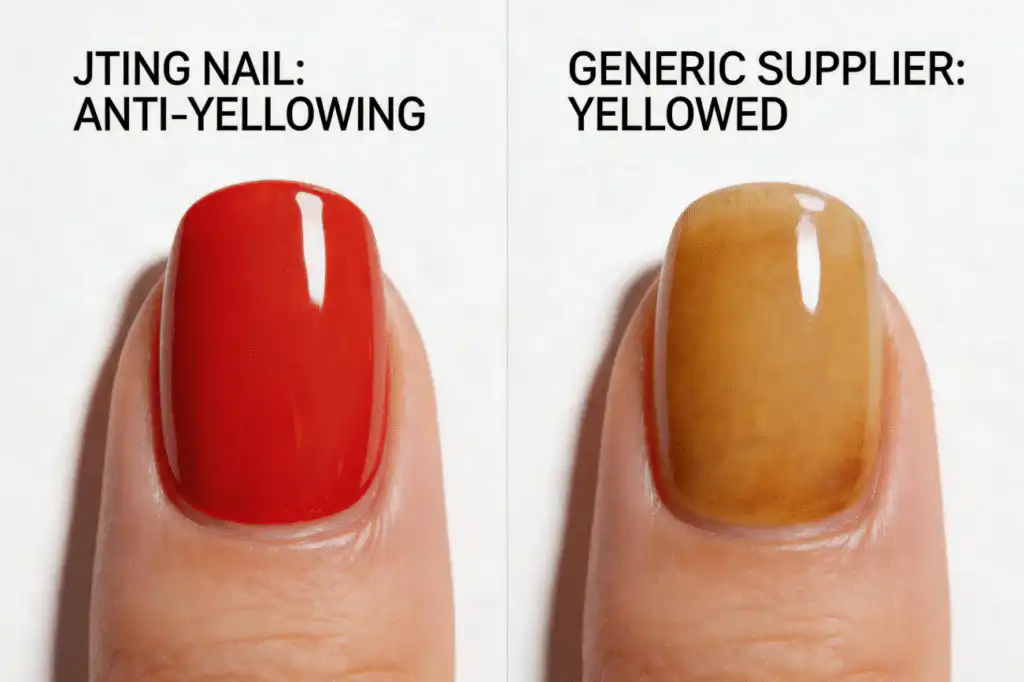
Industry Standard: A professional non-wipe top coat must use aliphatic urethane acrylates. Unlike aromatic compounds, aliphatic chains do not degrade and yellow under UV exposure. Always ask your supplier to prove their formula’s UV resistance.
3. Moisture-Resistant Base Coats
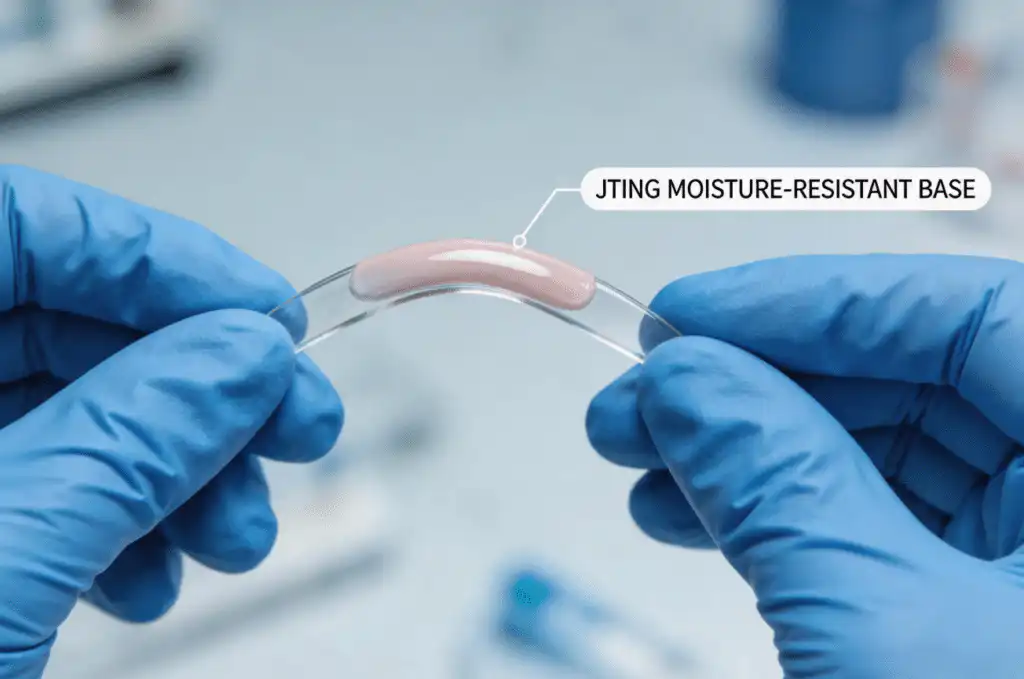
Adhesion failure is the number one complaint in the nail industry. What many brand owners do not realize is that humidity plays a massive role in base coat performance.
A base coat that performs perfectly in the dry climate of Arizona might lift within a week in the humid environment of Florida or Southeast Asia. High demand exists for customized base coats that feature advanced cross-linking monomers designed to block moisture penetration from the natural nail plate.
4. Sourcing Formulas: Generic Vs. Customized
Buying generic formulas limits your market reach. Here is how a true formulation partner differs from a standard trading company.
Evaluation Metric: Builder Gel Viscosity
Generic Supplier: One standard thickness for all markets.
JTING NAIL Manufacturer: Viscosity adjusted for your specific regional temperature and technician preference.
Evaluation Metric: Top Coat Durability
Generic Supplier: Basic scratch resistance, high risk of UV yellowing.
JTING NAIL Manufacturer: Aliphatic compounds ensuring mirror-like gloss and zero yellowing for 30+ days.
Evaluation Metric: Base Coat Adhesion
Generic Supplier: Relies on high acid content, which damages the natural nail.
JTING NAIL Manufacturer: Uses advanced cross-linking networks for superior adhesion without aggressive acids.
Conclusion: Formulate For Your Market
Selling a generic formula in a competitive market is a losing strategy. Your salon clients demand builder gels that self-level flawlessly, top coats that never yellow, and base coats that refuse to lift.
At JTING NAIL, we do not just sell liquids; we engineer chemical solutions. We customize viscosity, curing times, and adhesion strengths to match your exact demographic. Stop settling for off-the-shelf products.
Contact our R&D team today to discuss your formula requirements and build a product line that out-performs your competition.