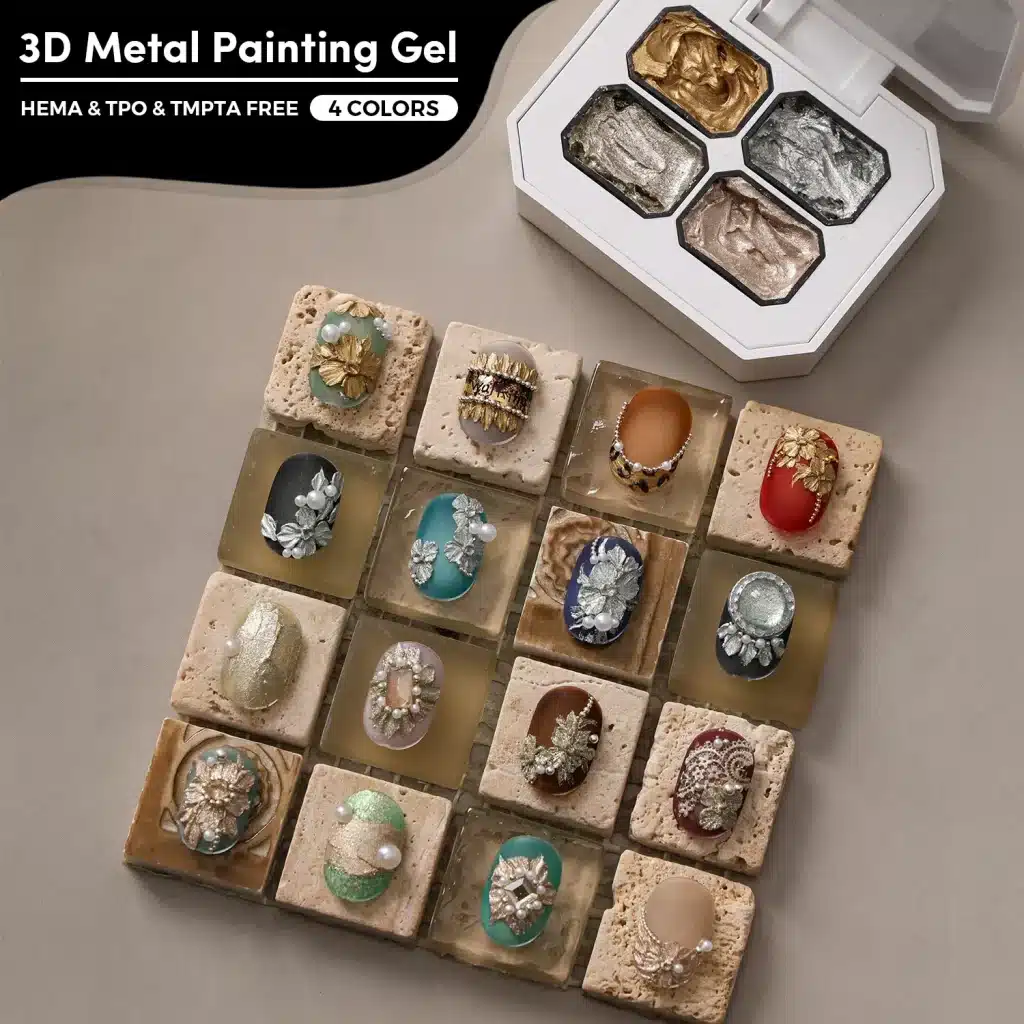
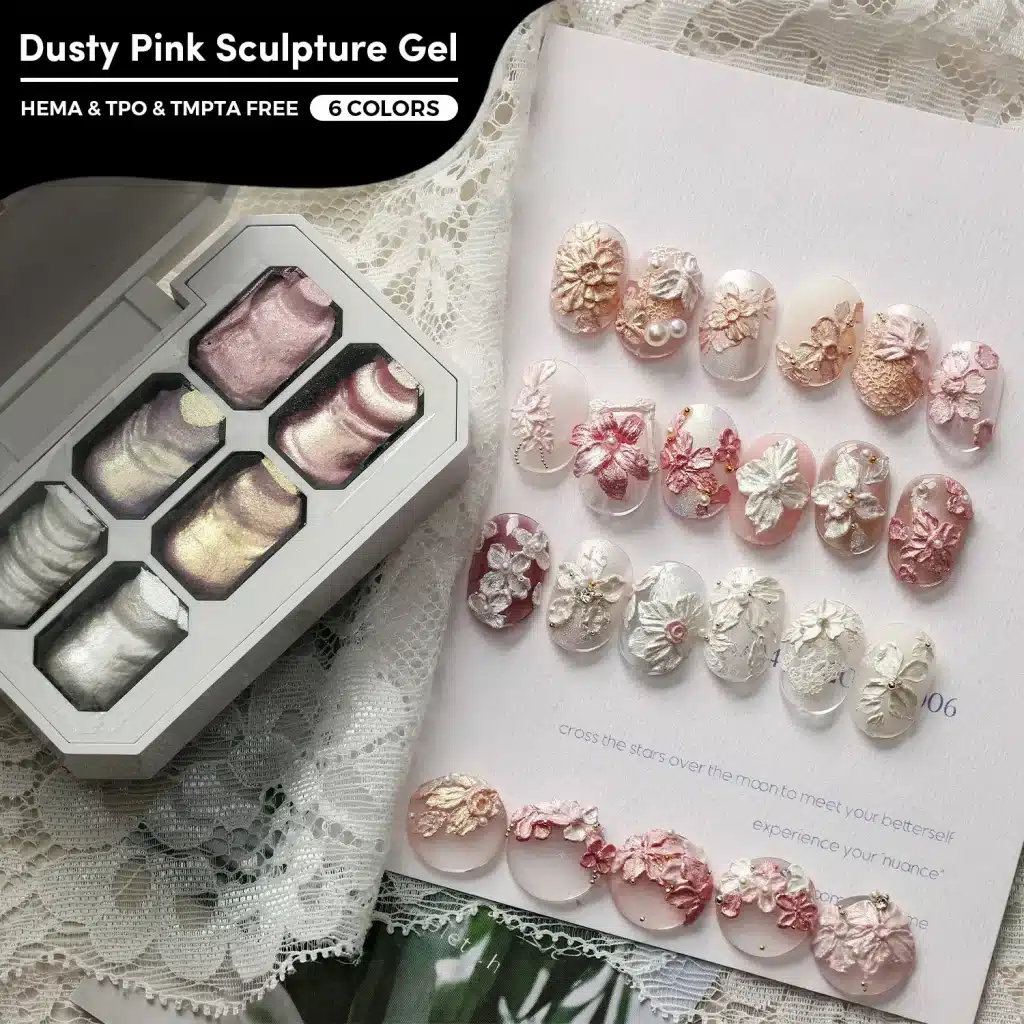
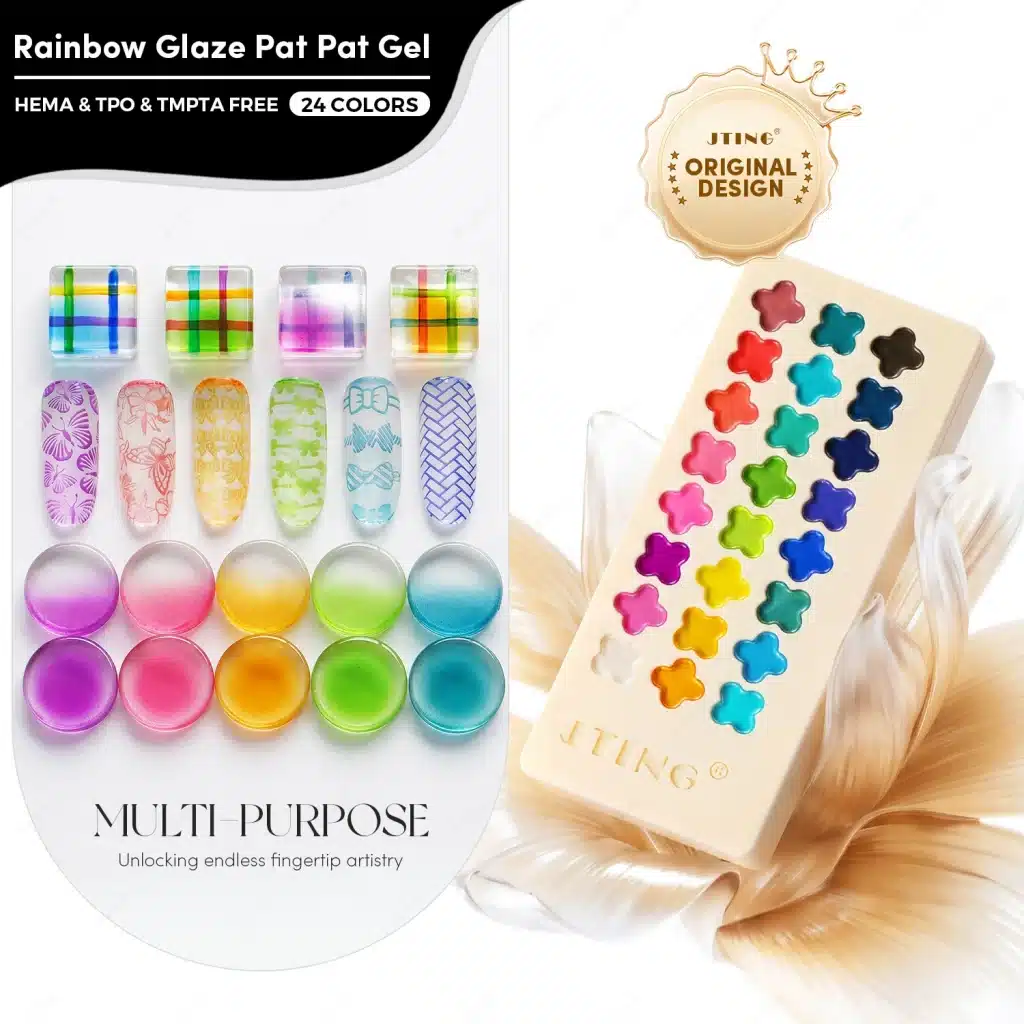
Every nail brand founder finds out the hard way: you can spend $50 acquiring a new client, run the promotions, nail the packaging reveal, and still watch that person disappear after one visit because her gel manicure started lifting on day five. That $50 is gone. The review she left is not. Customer retention strategy, stripped of the business-school language, is the set of deliberate decisions you make—at the product level, the service level, and the brand level—to ensure that client returns, spends again, and brings three people with her.
The nail industry math is unforgiving right now. Paid digital advertising costs have climbed steadily. Organic reach on social platforms has narrowed. Word-of-mouth, which used to be free, now lives on Google Reviews and TikTok comment sections where a single bad experience can accumulate impressions you will never fully outrun. Against this backdrop, the economics of retention become stark: a client who returns six times per year is worth ten times more than the acquisition cost, and she arrives pre-sold. The question is what actually determines whether she comes back.
The answer is not your loyalty app. It is not a birthday discount email. It is what happens during the 28 days that the product is on her nails.
Pillar 1: Zero-Compromise Performance — The Foundation Every Retention Strategy Is Built On
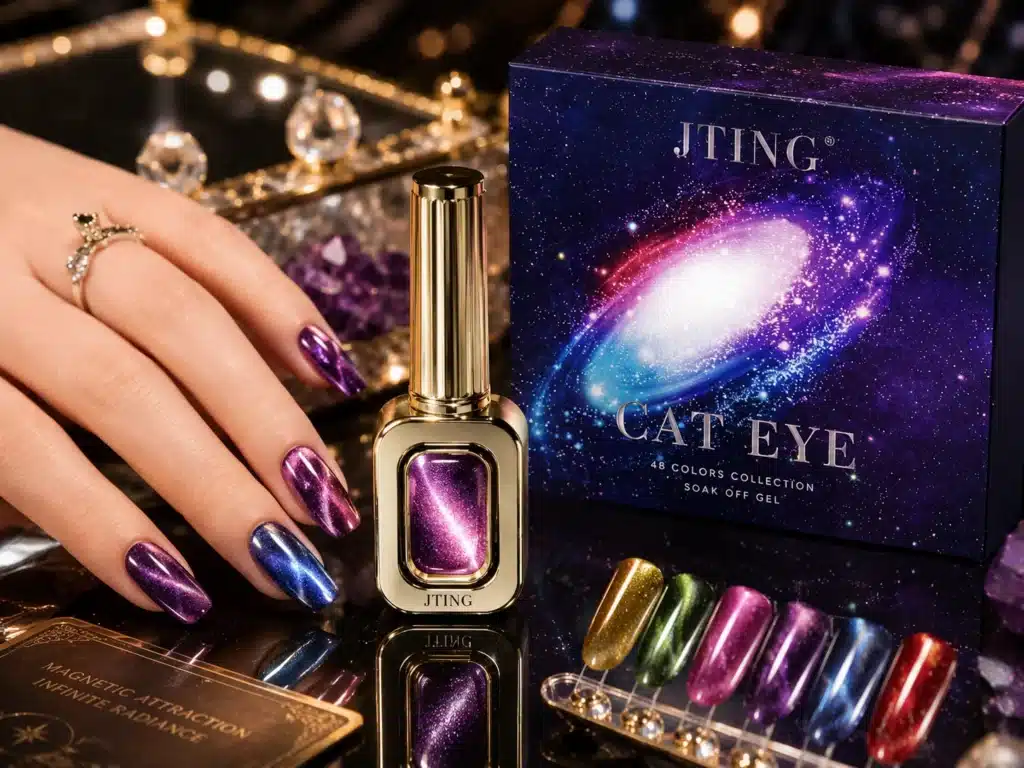
Ask any nail technician what derails their repeat business and the answer is almost always the same: lifting and peeling. Not the price. Not the ambiance. The product failing before the next appointment is even scheduled.
When a client’s gel manicure starts separating at the free edge on day eight, she does not think “the application might have been slightly off.” She thinks the product is cheap. She thinks your brand is cheap. And she will not rebook—she will go looking for someone who uses a different system.
A genuine retention strategy requires that you eliminate this failure point entirely. That means working exclusively with formulations that rely on premium large-molecule resin technology. Large-molecule resins produce a denser, more flexible polymer matrix during curing—one that adheres aggressively to the natural nail plate, moves with it through normal flexion, and resists the micro-cracking that causes edge lifting under real-world conditions. This is not a minor formulation detail. It is the structural difference between a client who returns and one who does not.
The same principle applies to color integrity. Yellowing under UV exposure is a slower form of the same trust destruction. A client who paid for a clean nude or a pastel pink and watches it go yellow on her hand while she drives to work is experiencing your brand failing in real time, repeatedly, for weeks. Formulations engineered with UV-stable pigment systems and appropriate light stabilizers hold true color across the full wear cycle. This is what 28-day wear performance actually means—not just adhesion, but visual integrity through the entire period between appointments.
The performance bar for retention is simple: the product must look as good on day 21 as it did on day one. Everything below that threshold is a retention problem in waiting.
Pillar 2: Health and Hypoallergenic Trust — The Retention Weapon Nobody Talks About Enough
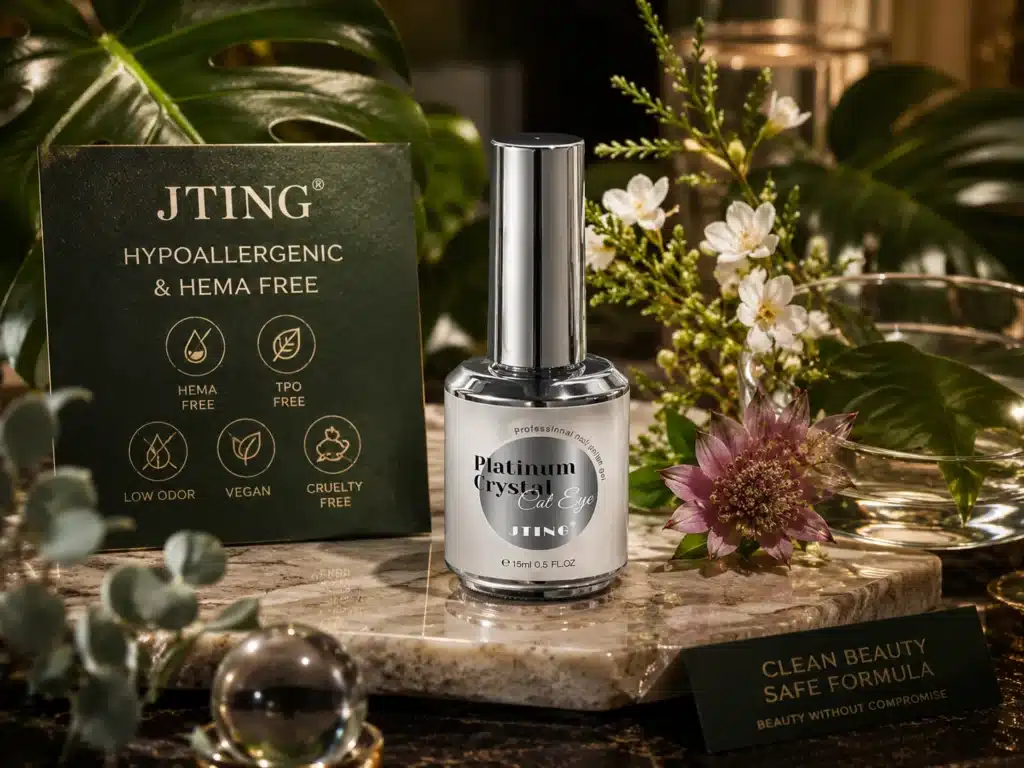
Here is a scenario that happens more often than the industry likes to acknowledge. A client has a great first experience. Books again. Third visit, she starts noticing itching around the proximal nail fold. By the fourth visit, she has a red, weeping dermatitis reaction that her dermatologist traces back to HEMA—Hydroxyethyl Methacrylate—a sensitizing monomer present in a significant percentage of conventional gel polish systems.
That one case does not lose you one client. It potentially ends a brand.
HEMA sensitization is cumulative and irreversible. Once a person is sensitized, they cannot safely use any product containing HEMA ever again. When they write about it—and they will write about it—the review includes the product name. Other clients read it. Prospective clients read it. A single well-documented allergic reaction can suppress inbound bookings for months.
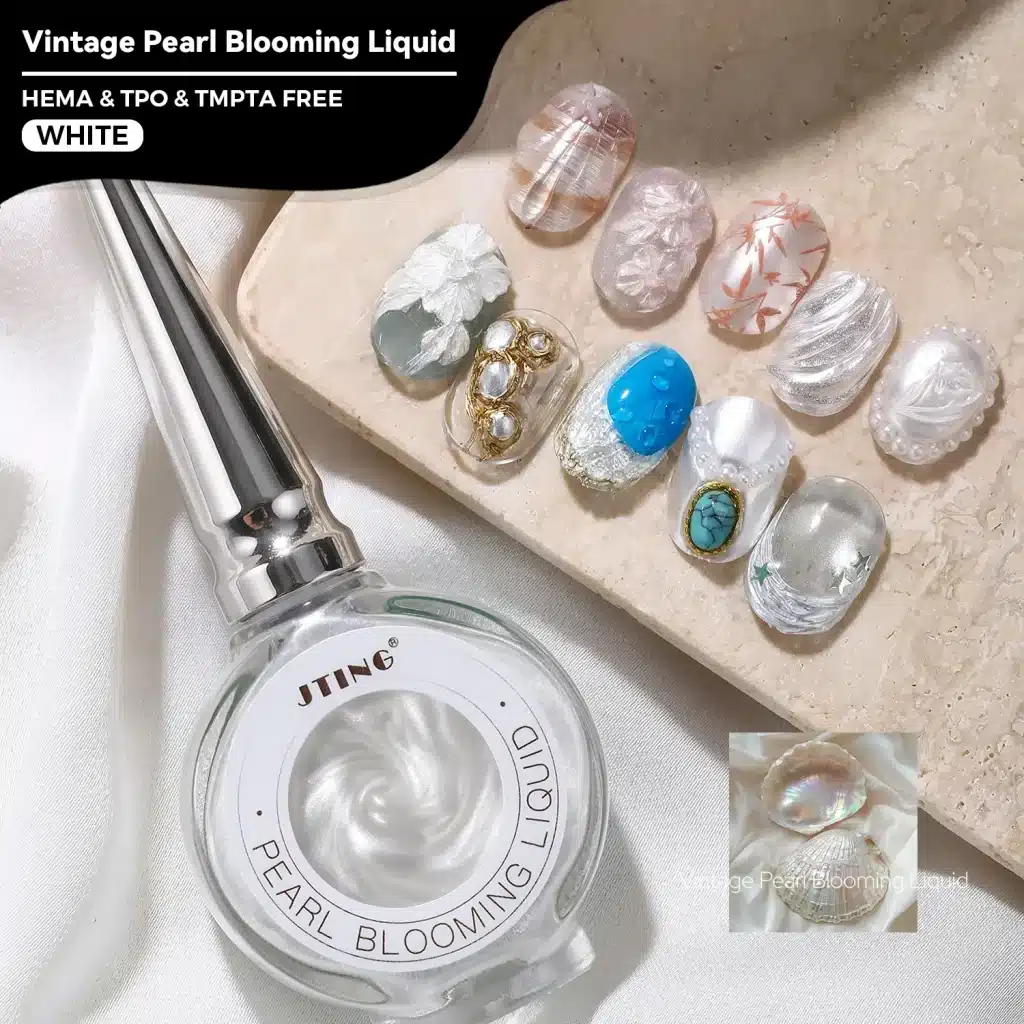
The strategic response is not reactive; it is preventative and permanent. Formulating exclusively with HEMA-Free, TPO-Free gel systems removes the primary chemical exposure risks from your product entirely. HEMA-Free formulations use alternative adhesion promoters that deliver comparable bonding performance without the sensitization profile. Removing TPO (diphenyl(2,4,6-trimethylbenzoyl)phosphine oxide) addresses a separate photoinitiator exposure concern that has drawn increasing regulatory and professional attention.
For your clients—particularly those with sensitive skin histories—this is not a secondary feature. It is the primary reason they will stay. When you can tell a client with confidence that your entire product line is formulated without the compounds responsible for the majority of contact dermatitis cases in the nail industry, you have given her a reason to be loyal that competitors using conventional formulas cannot match. Safety, positioned correctly, is your strongest retention argument.
Pillar 3: The Tactile and Visual Experience — Where Professional Loyalty Is Built
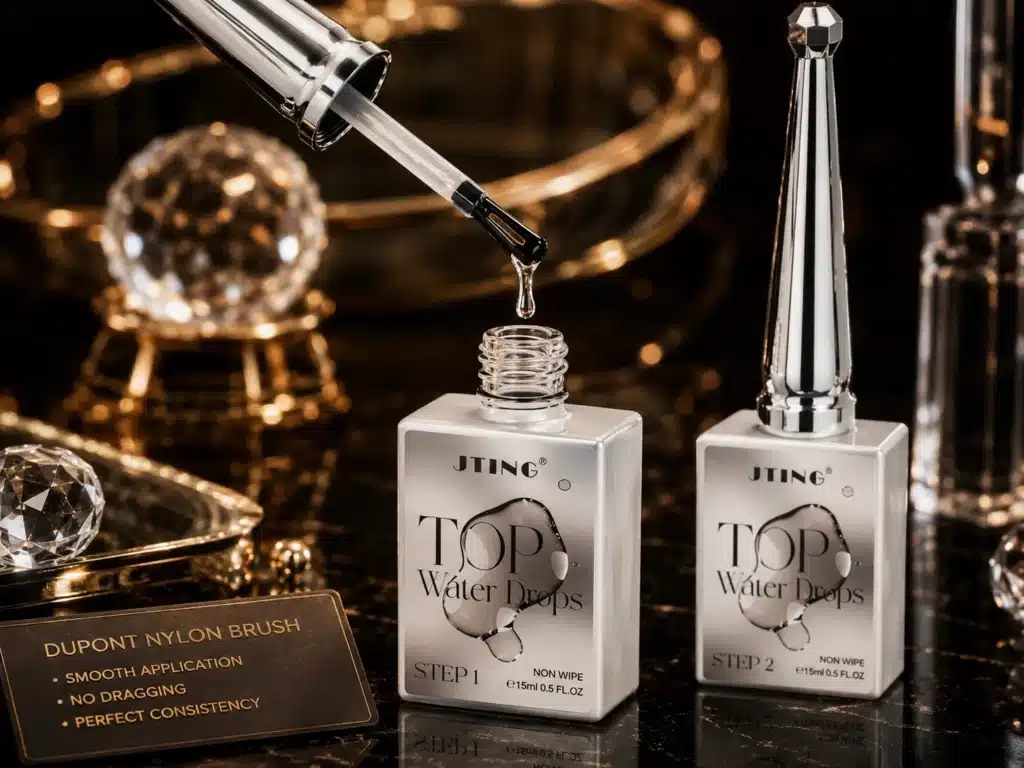
Nail technicians are the actual end-users of your gel system, and their experience with the product directly determines how confidently they represent your brand to clients. If a brush fans, drags, or fails to load properly, the technician adapts—but she remembers. If a bottle allows premature pigment degradation because it cannot block UV exposure adequately, the product’s color performance degrades before it is even applied, and the technician absorbs the client complaint.
These are retention problems, but they originate in product design decisions that most brand founders do not control because they are not close enough to their manufacturer.
Premium nylon brushes—specifically engineered for gel viscosity—maintain their shape and loading behavior across a product’s full lifespan in a way that standard synthetic alternatives do not. A brush that performs consistently gives the technician control, and control translates to better application outcomes, fewer edge lifting incidents, and less troubleshooting. When a nail tech consistently gets clean, precise results with your system, your brand becomes her preferred system. That preference is retained revenue.
Custom opaque bottles with UV-blocking properties address the shelf-life and color integrity problem at the source. Gel polish is photosensitive by design—it must be. But uncontrolled incidental UV exposure through clear or semi-transparent packaging begins the curing and degradation process before the product reaches the nail. Opaque packaging with a proper UV-blocking barrier protects the formula through storage and active use, which means the product the technician opens six months from now performs identically to the one she opened on day one. Consistency is the foundation of professional trust, and professional trust is what keeps your brand in the rotation.
Custom branding on those bottles—your logo, your color system, your naming conventions—reinforces brand identity every time a client watches the application. That visual moment matters. The product on the table has a name. Your name.
Retention Is Decided in the Laboratory, Not the Marketing Department
A loyalty program can remind a client your brand exists. A well-designed packaging experience can create a strong first impression. But neither of those things survives a product failure. The client who booked again because of a birthday discount still will not return if her manicure chipped in week two.
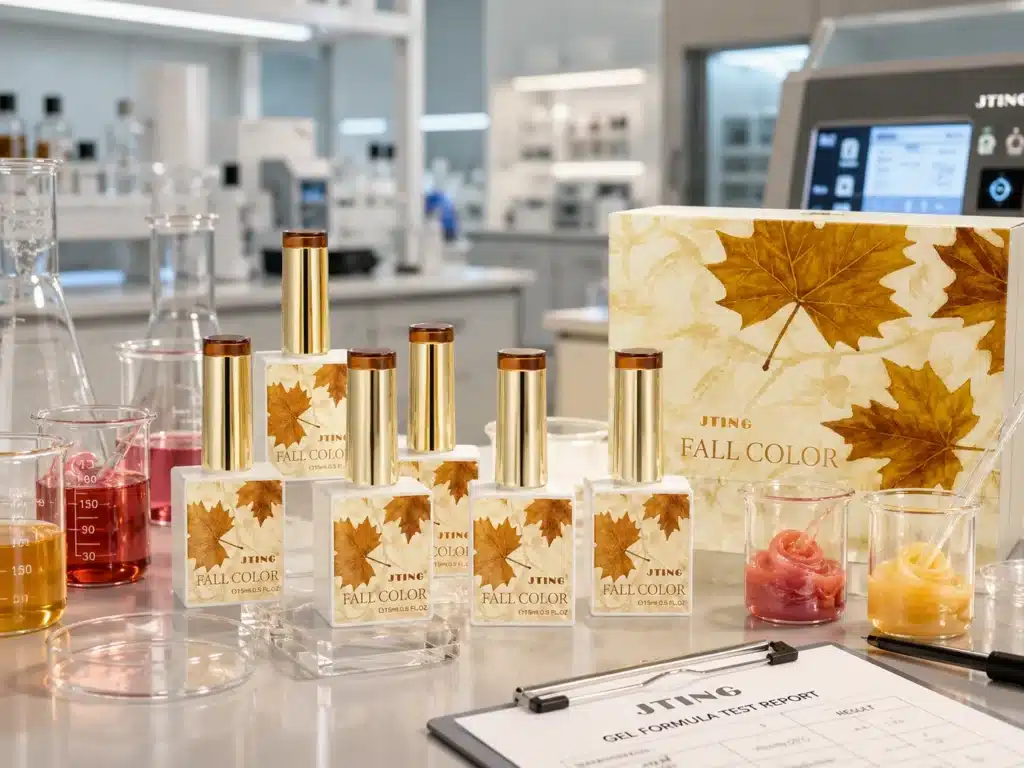
The brands that win on retention are the ones that have closed the product quality gap so completely that the client has no reason to look elsewhere. That starts with the manufacturing partner you choose—their formulation standards, their raw material sourcing, their quality control processes, and their ability to customize solutions that meet the specific performance and safety requirements your clients demand.
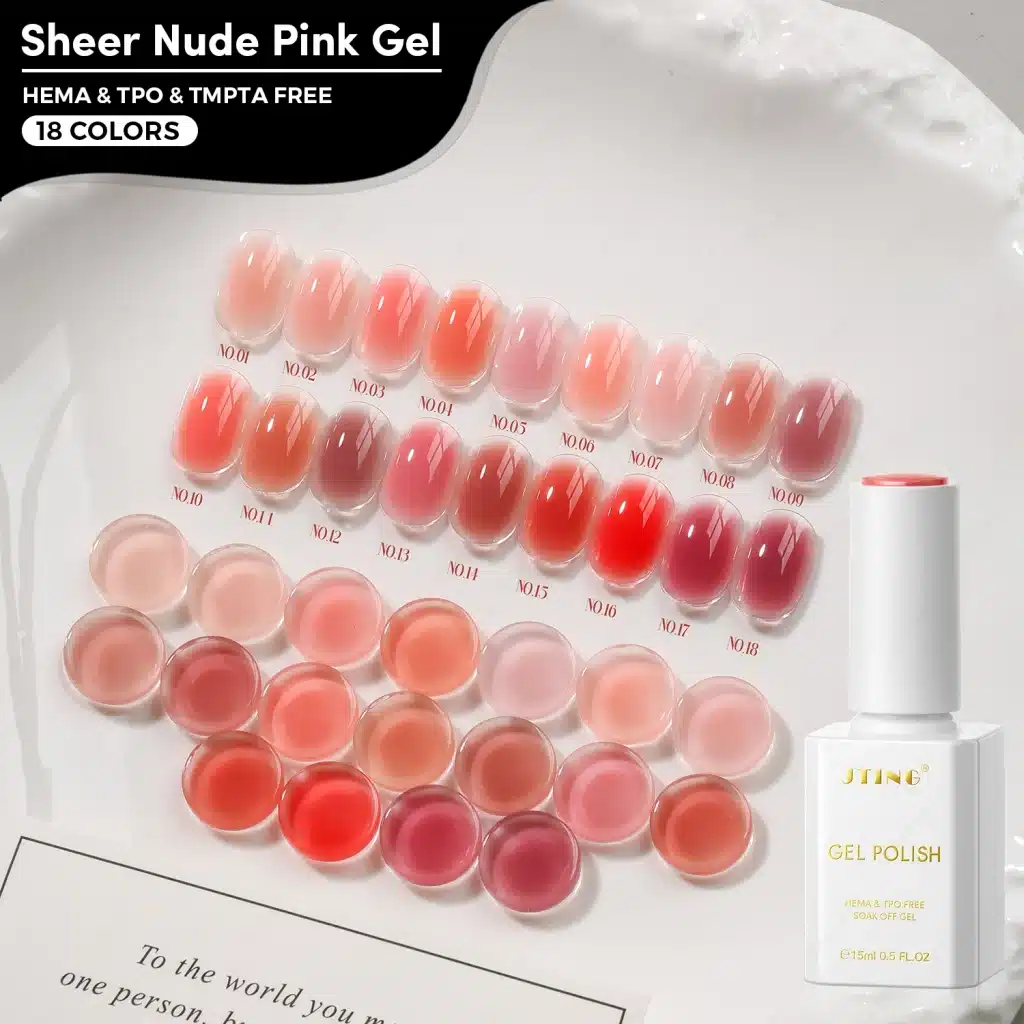
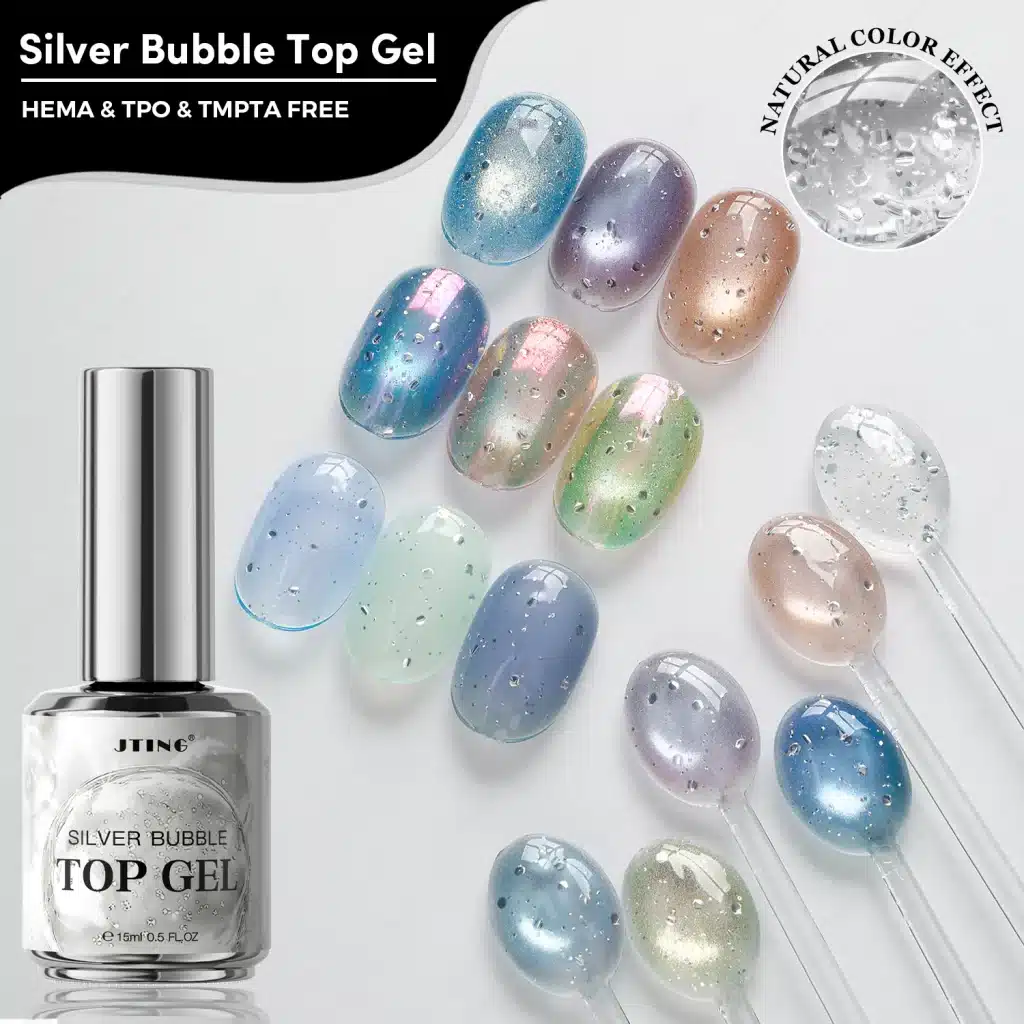
JTING NAIL was built around this premise. Our HEMA-Free, TPO-Free formulations, large-molecule resin systems, 28-day wear performance, UV-blocking opaque packaging, and DuPont brush specifications are not marketing claims—they are the technical decisions that turn first-time clients into permanent ones.
If you are building a nail brand that competes on quality rather than price, and you need a manufacturing partner whose product does the retention work for you, we should talk.
JTING NAIL is a premium private label gel polish manufacturer specializing in custom formulation, OEM/ODM production, and full-service brand development for nail salon founders and beauty distributors worldwide.