Allergic contact dermatitis is the biggest legal and financial liability facing the professional nail industry today. For years, the market relied on small, highly reactive molecules to guarantee cheap, fast adhesion. Now, that shortcut is catching up with brand owners.
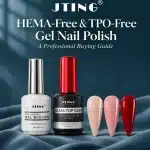
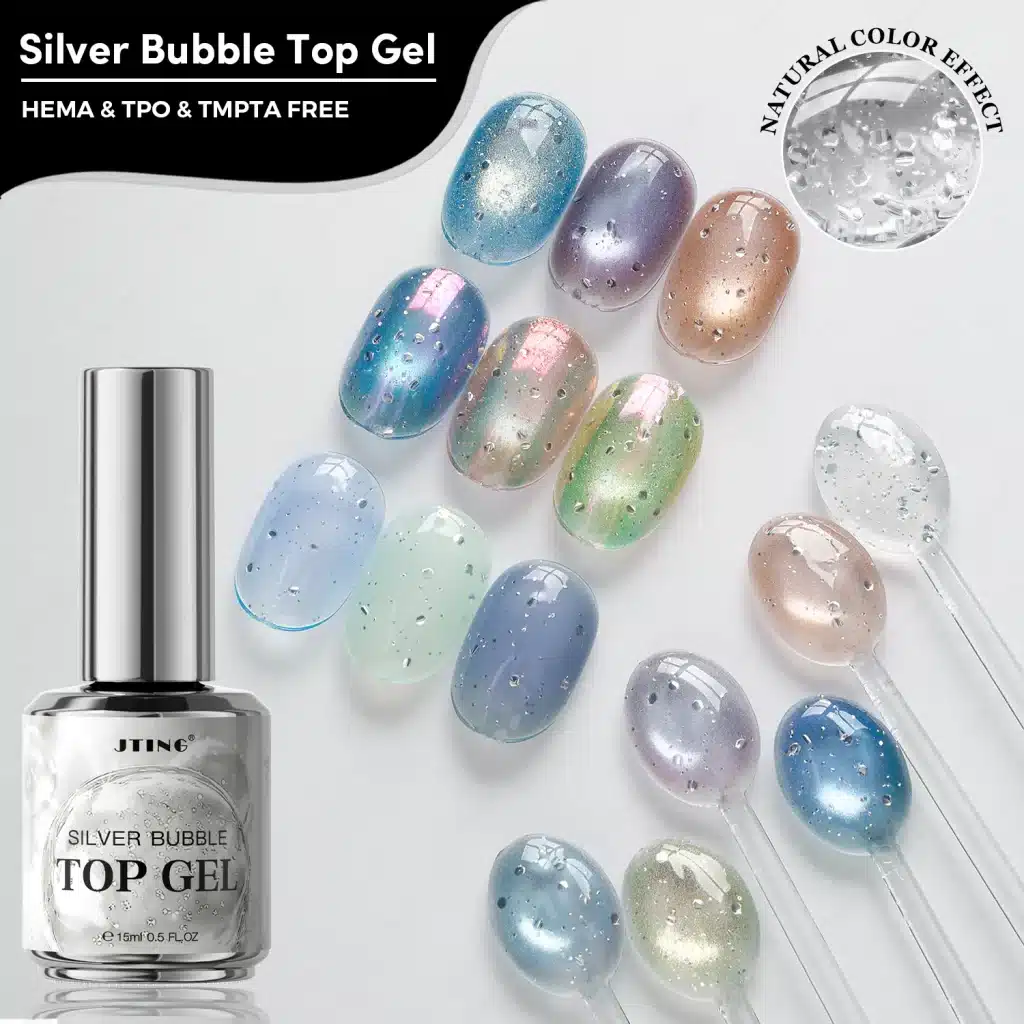
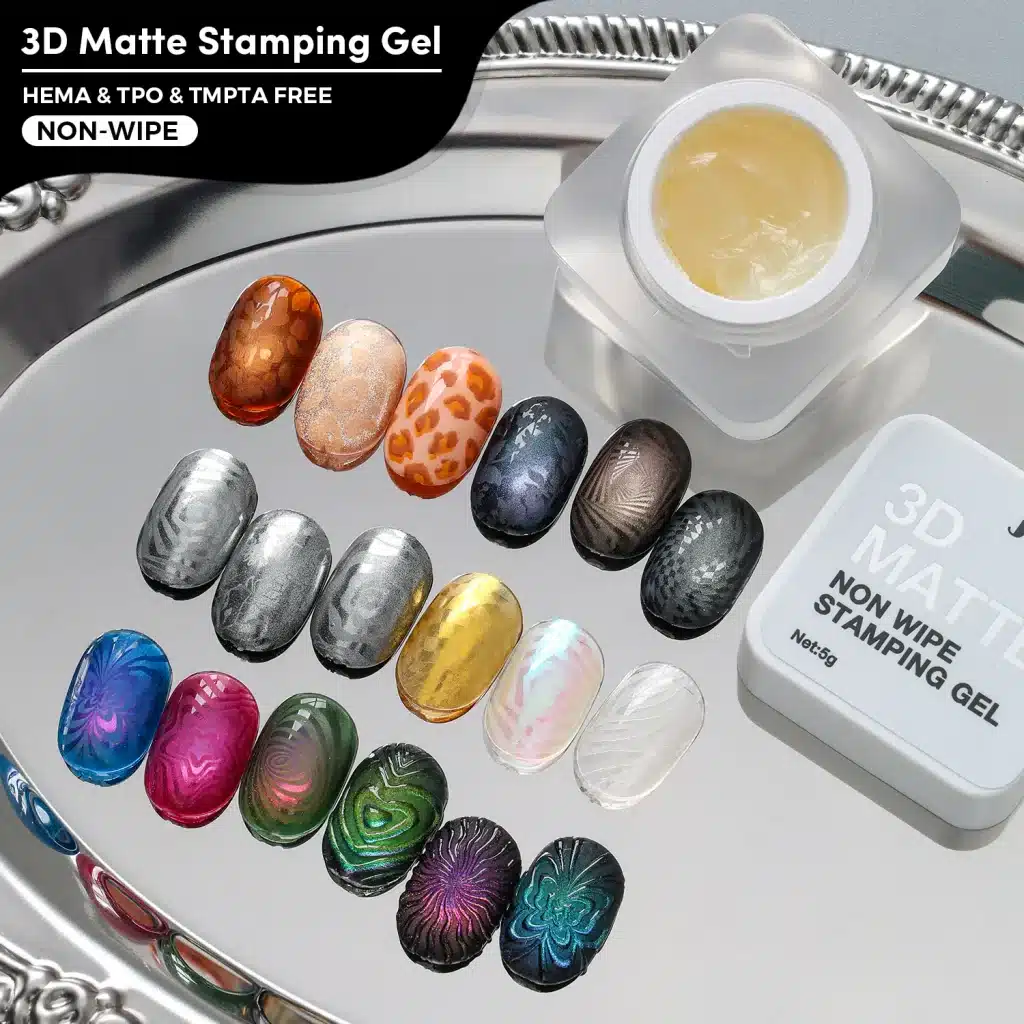
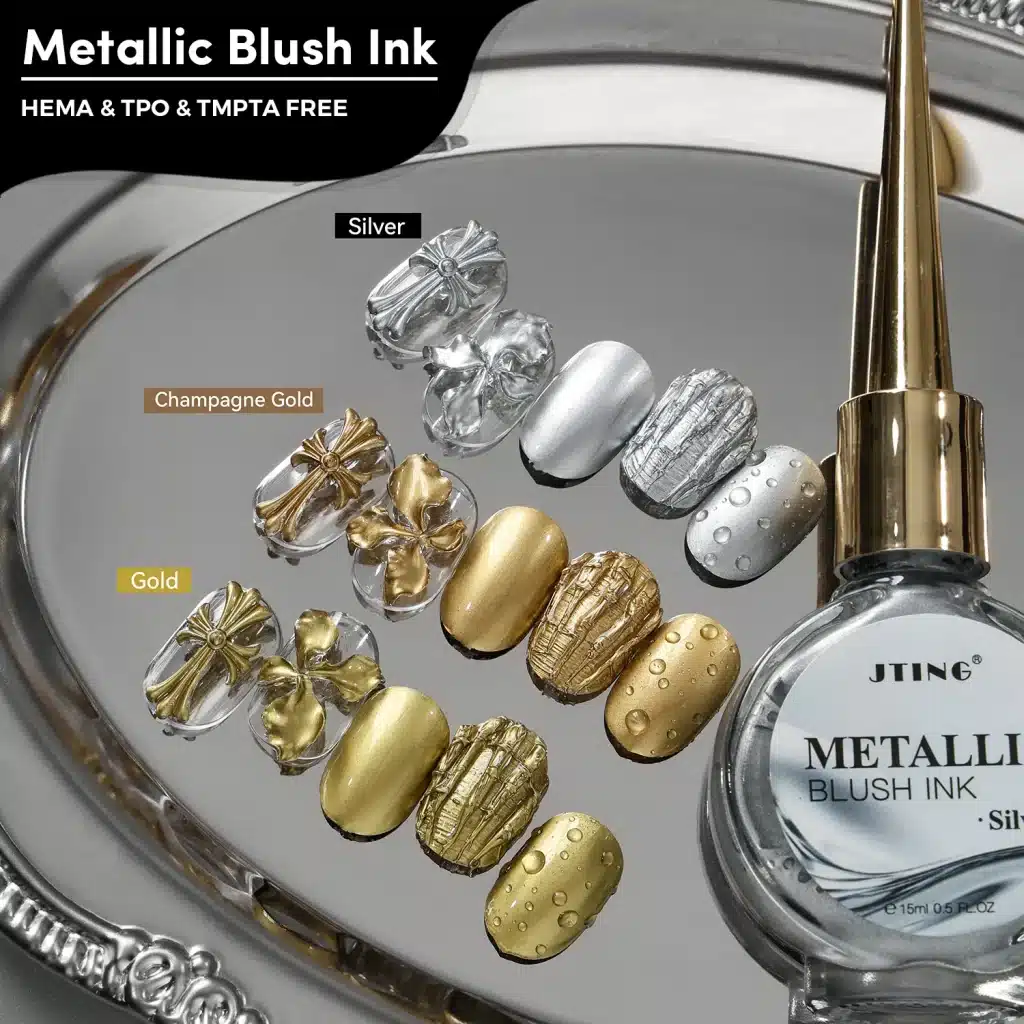
The demand for HEMA-free gel polish is no longer a niche marketing angle; it is a regulatory mandate and a core consumer expectation. Salon owners are actively dropping long-term suppliers in search of hypoallergenic alternatives. As the technical director at JTING NAIL, I have overseen the transition of dozens of global brands to safe formulations. In this breakdown, we examine the market demand for HEMA-free products and the complex chemistry required to manufacture them correctly.

1. The Regulatory and Consumer Shift
Industry data indicates a 300% increase in search volume for “hypoallergenic gel polish” over the last two years. Consumers are educating themselves on chemical ingredients.
In the European Union, CPNP regulations have heavily restricted the retail sale of products containing HEMA (Hydroxyethyl Methacrylate) and Di-HEMA Trimethylhexyl Dicarbamate. Even in markets where it is not fully banned, salons are voluntarily switching to HEMA-free lines to protect their nail technicians from daily chemical exposure and to market themselves as “safe” salons.
2. The Chemical Challenge of HEMA-Free Adhesion
HEMA was historically used because its small molecular size allows it to penetrate the upper layers of the nail plate, creating strong adhesion. Removing it creates a significant engineering problem.
When cheap manufacturers attempt to make HEMA-free polish, they usually end up with a product that peels off in three days. They simply remove the ingredient without replacing the structural mechanism.
JTING NAIL Laboratory Advice: True HEMA-free formulation requires completely re-engineering the oligomer network. We utilize larger molecular weight monomers. These molecules are too large to penetrate the skin or nail plate (preventing the immune response that causes allergies), but they are designed to create a densely cross-linked, interlocking grid on the surface of the nail, ensuring 28-day wear without the toxicity.
3. The Removal of TPO (Photoinitiators)
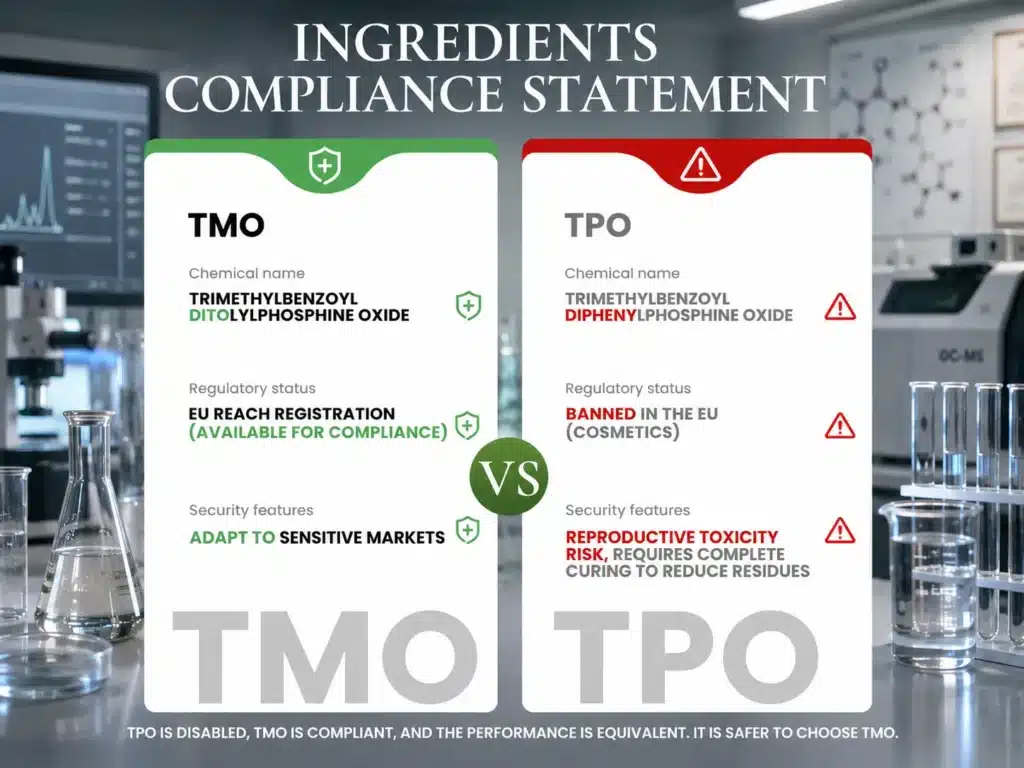
HEMA is not the only concern. The European Commission has also classified TPO (Trimethylbenzoyl Diphenylphosphine Oxide), a common curing agent, as a reproductive toxin.
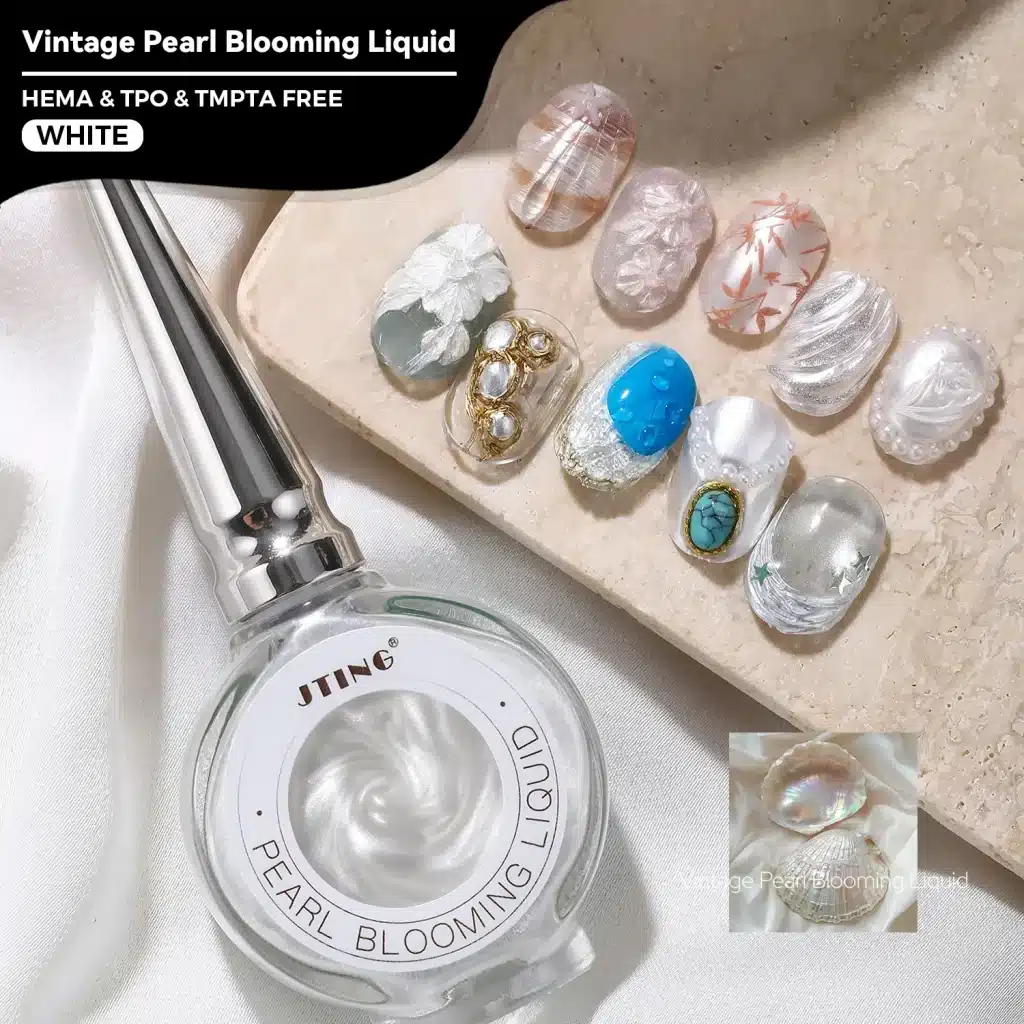
If you are sourcing products to sell in the EU or to health-conscious salons globally, your manufacturer must be able to formulate products that are both HEMA-free and TPO-free, while still ensuring the gel cures completely under standard LED lamps without wrinkling.
4. Evaluating HEMA-Free Suppliers
Not all HEMA-free labels are created equal. Here is how you evaluate your supply chain for safety and performance.
| Evaluation Metric | Cheap HEMA-Free Supplier | JTING NAIL HEMA-Free |
|---|---|---|
| Adhesion Strength | Chips and lifts within 7 days due to poor cross-linking. | Engineered with large-molecule oligomers for 4 weeks of flawless wear. |
| Compliance | Cannot provide updated MSDS or pass EU CPNP registration. | Fully compliant with current EU, UK, and US cosmetic safety regulations. |
| Application Feel | Often thick, stringy, and difficult to level. | Maintains the smooth, self-leveling viscosity of traditional premium gels. |
Conclusion: Protect Your Brand Liability
Ignorance of formulation chemistry is a risk you cannot afford. Selling products that trigger severe allergic reactions destroys client trust and invites regulatory penalties. The global salon industry is demanding safer alternatives, and your brand must adapt.
At JTING NAIL, we lead the industry in hypoallergenic manufacturing. We have cracked the code on HEMA-free and TPO-free formulas that deliver extreme adhesion, brilliant gloss, and total safety.
Protect your brand and your customers. Contact us today to request a comprehensive HEMA-free sample kit and experience the next generation of gel chemistry.