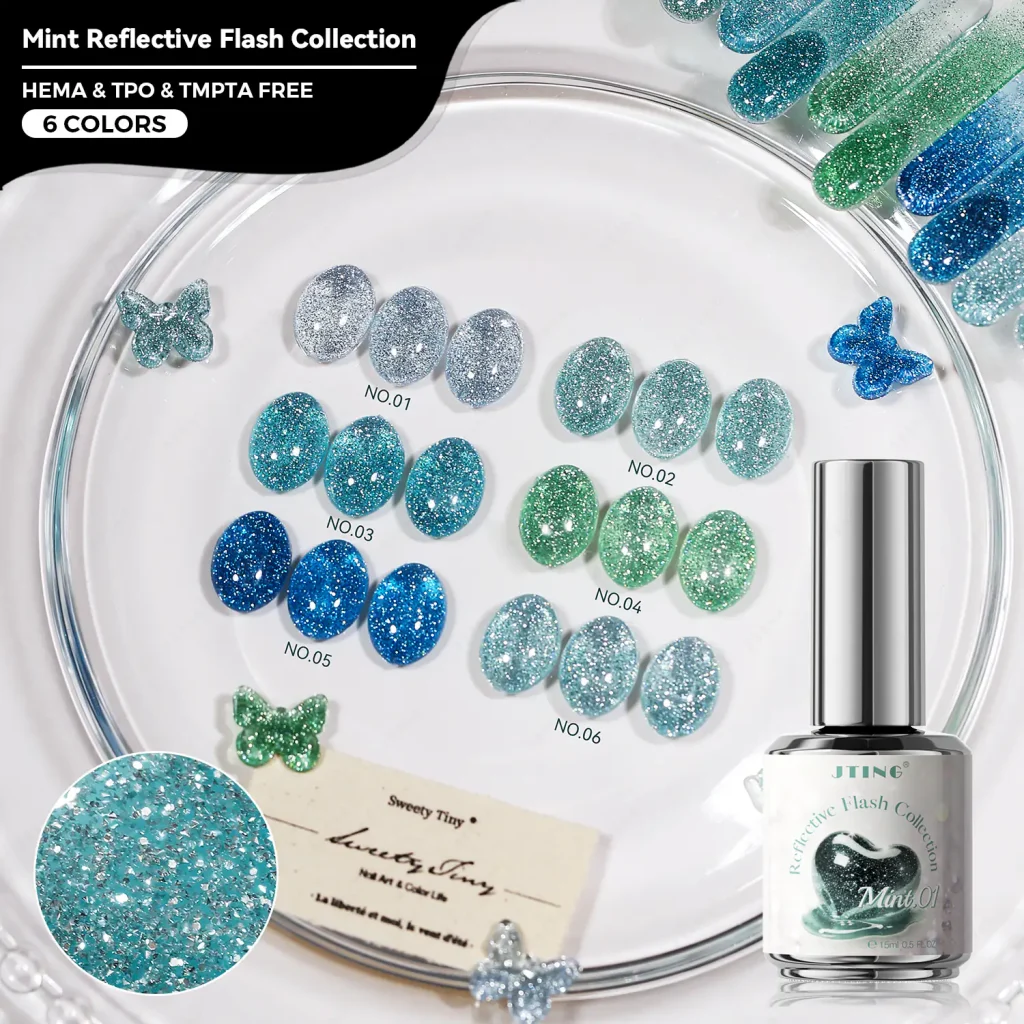
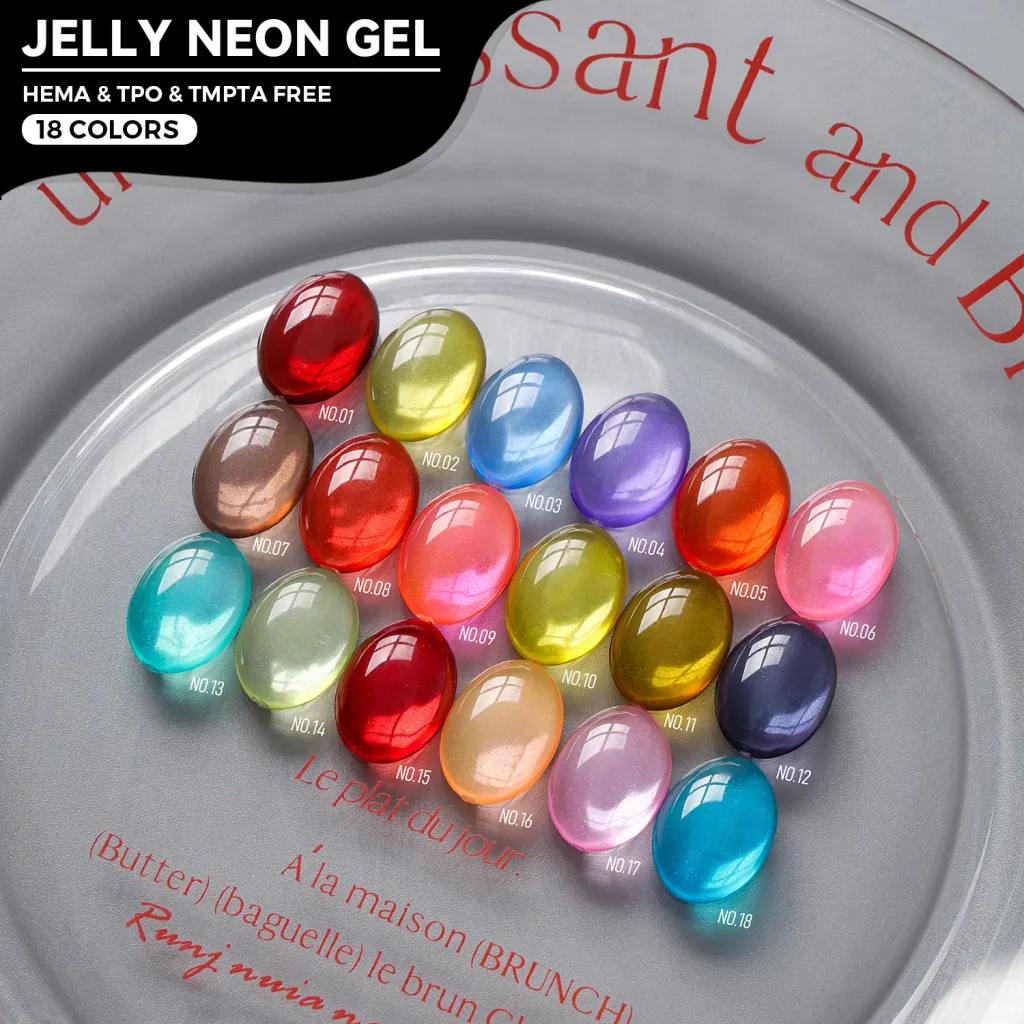
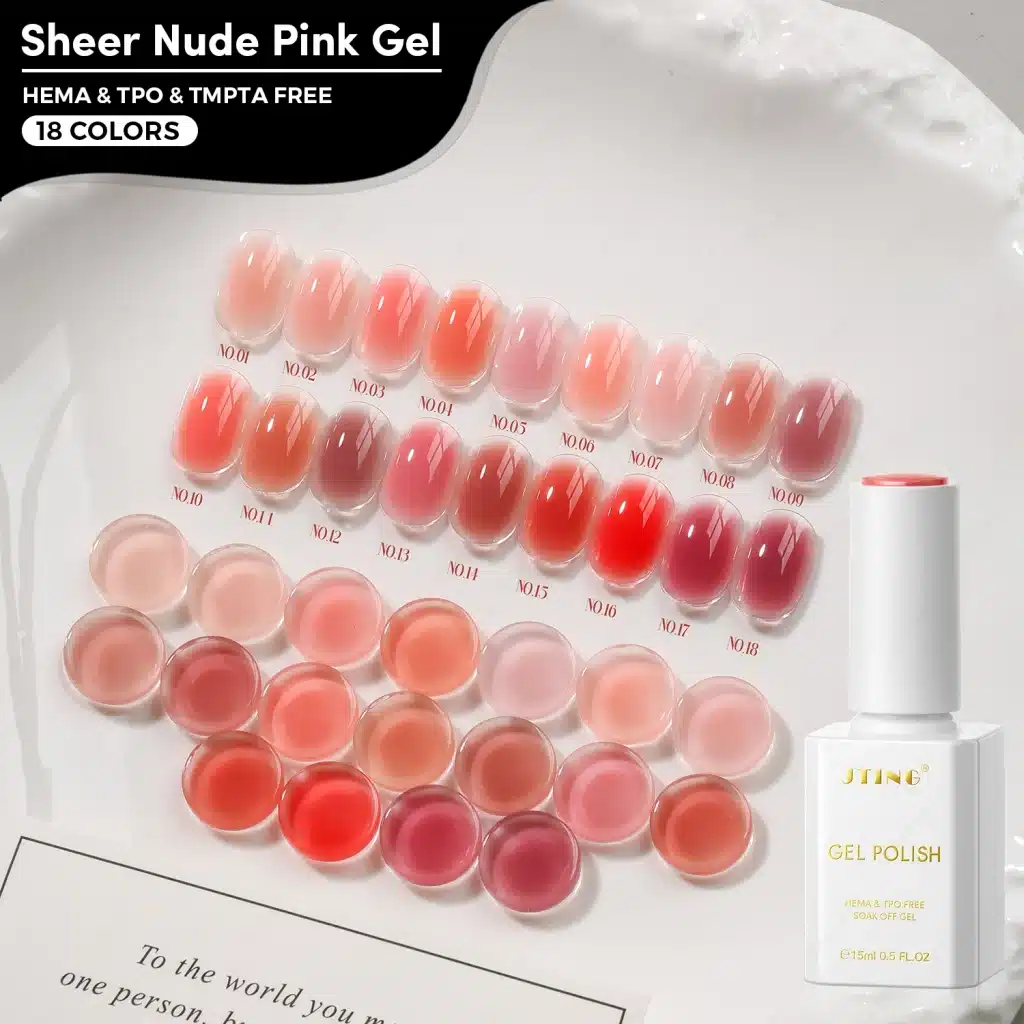
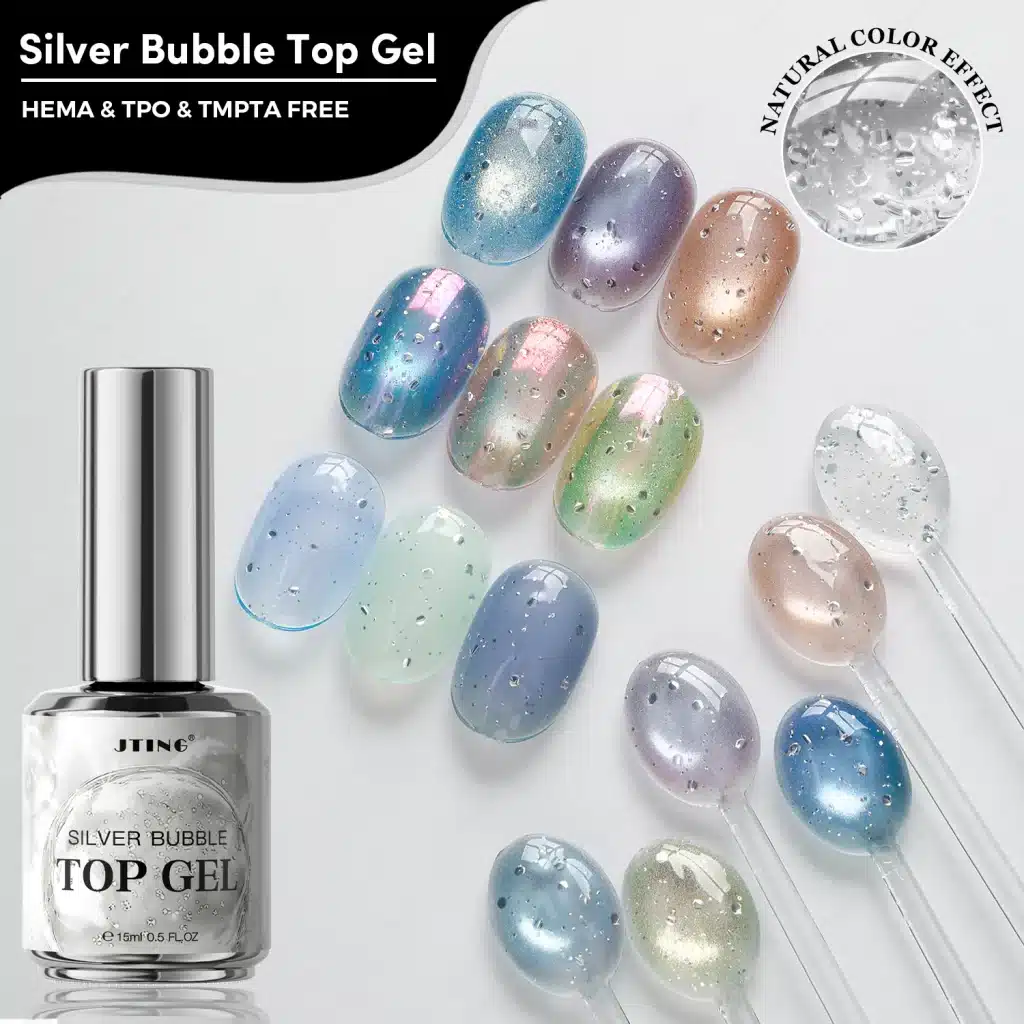
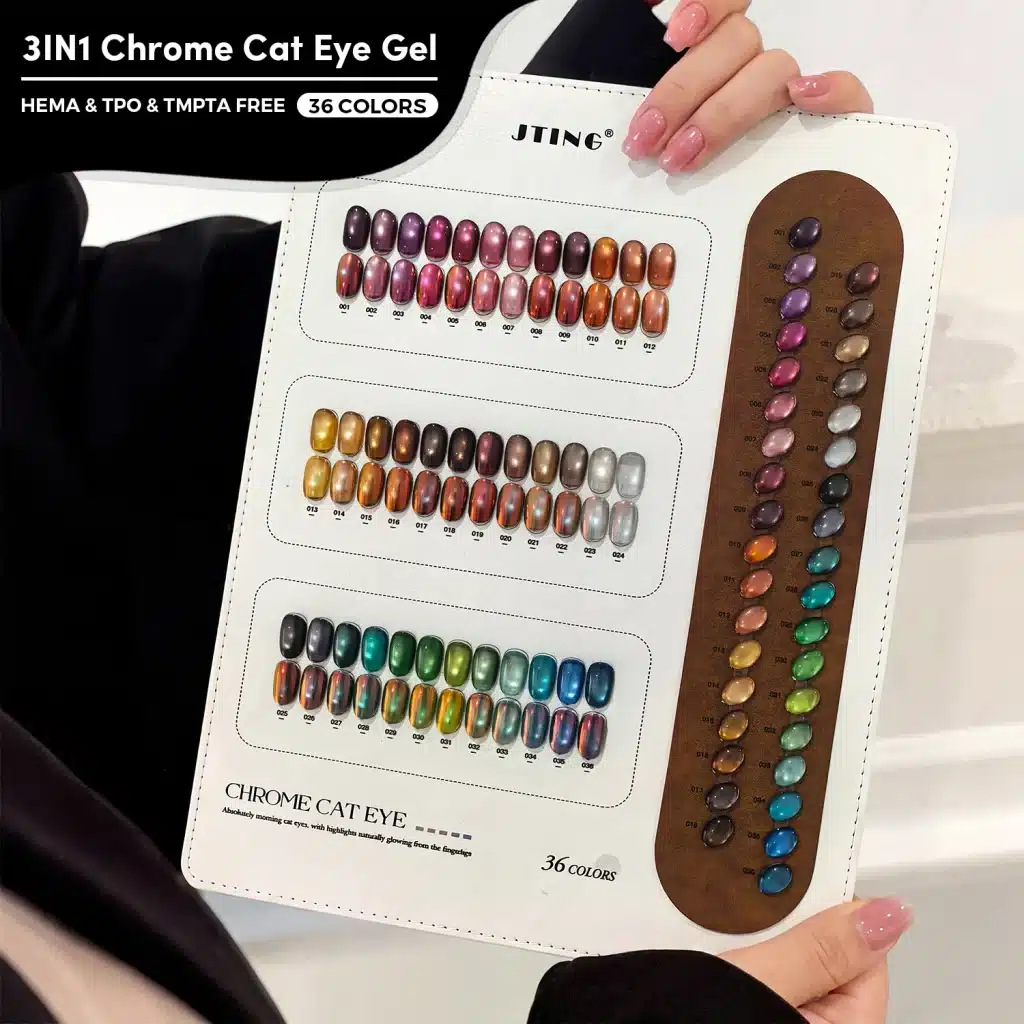
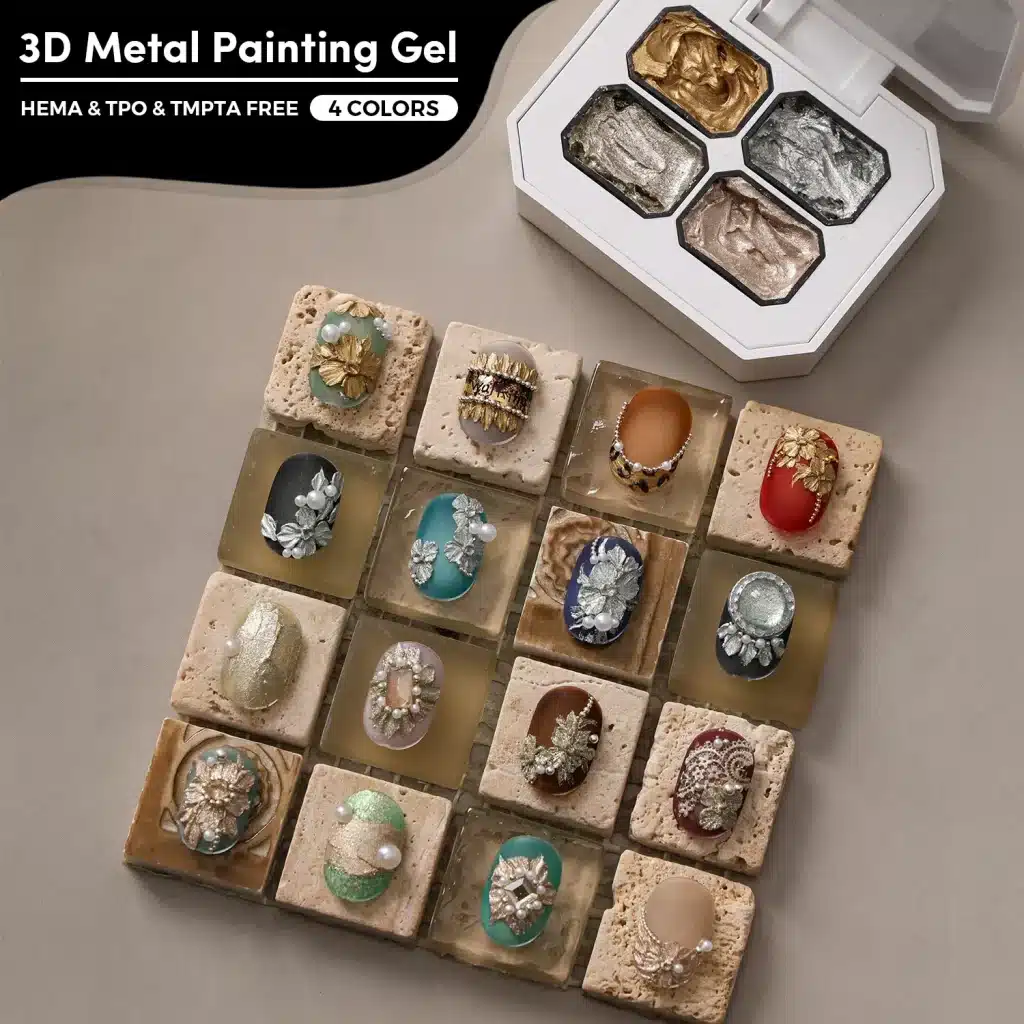
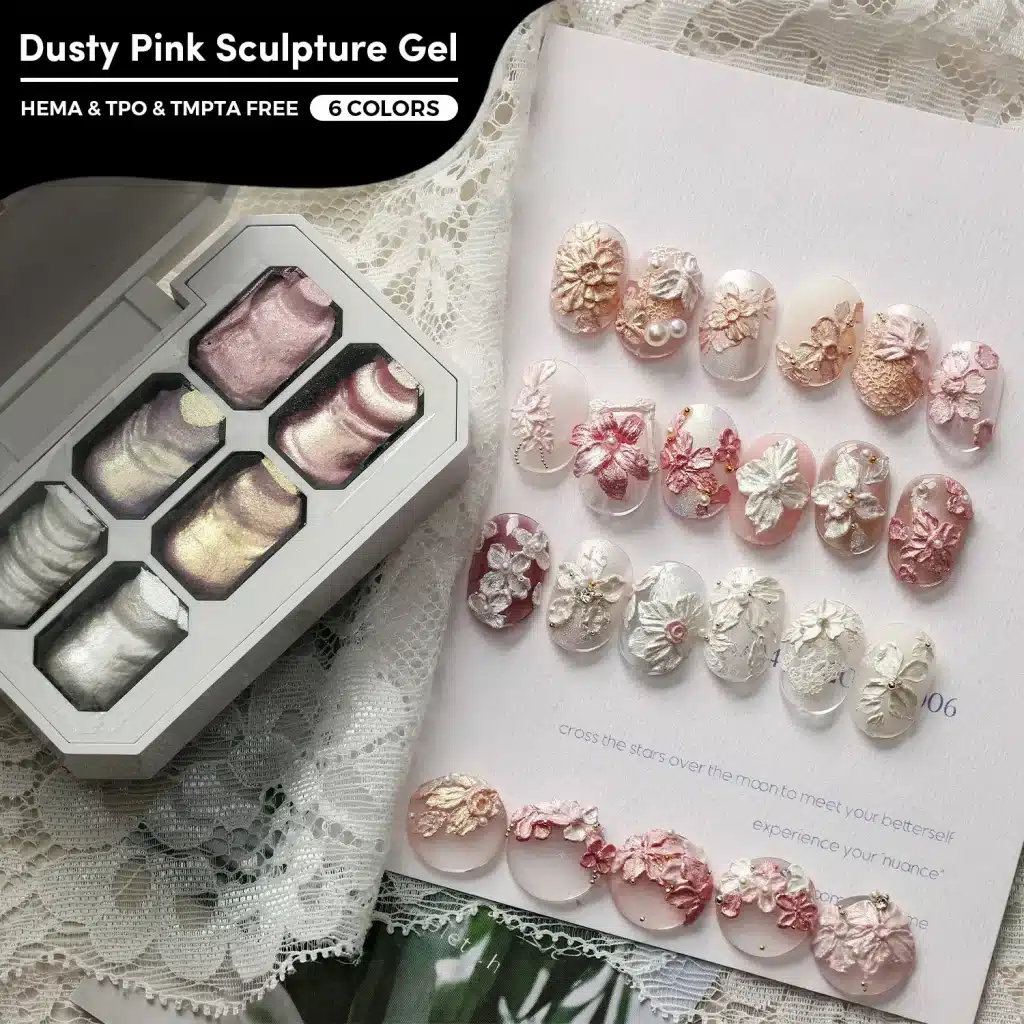
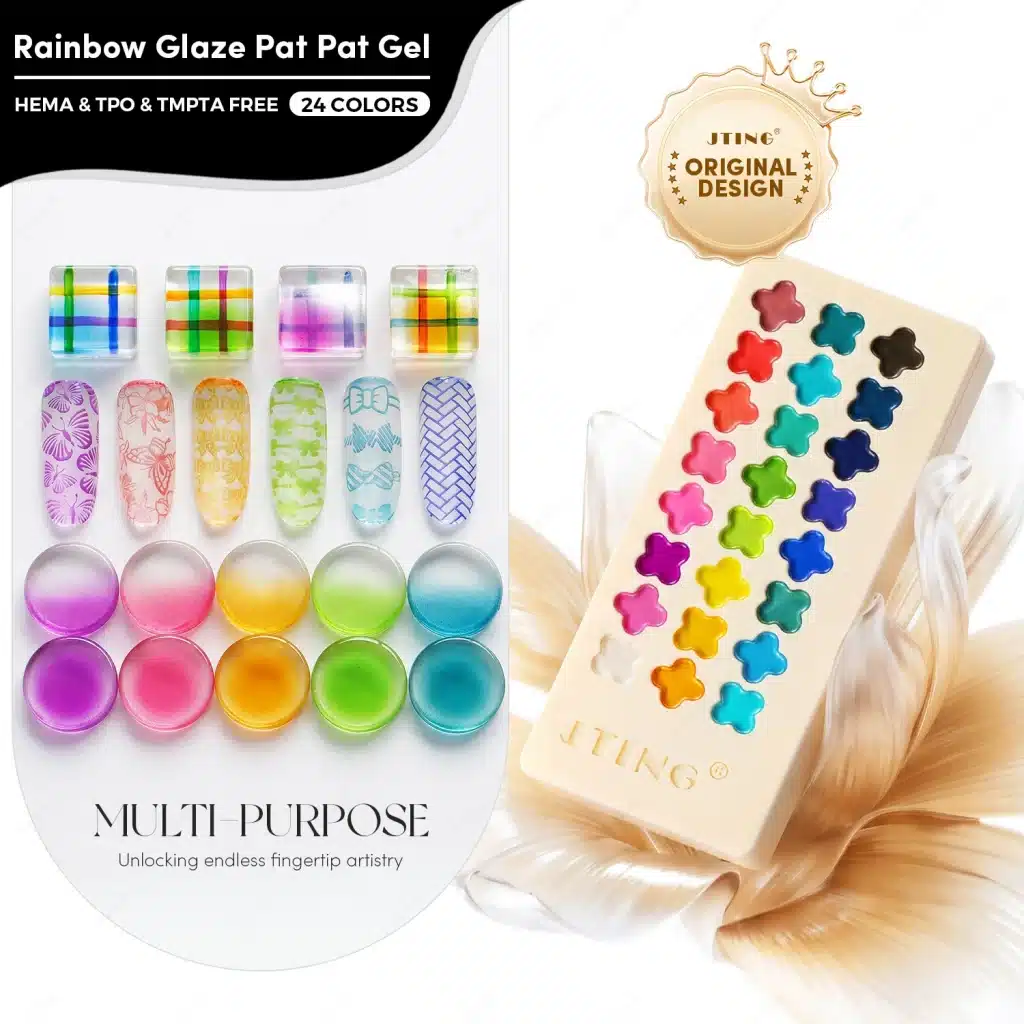
In the B2B cosmetic sector, trends are not defined by seasonal glitter colors. True B2B trends are driven by chemical innovations, changing safety regulations, and supply chain efficiency. Brand founders and salon distributors who fail to adapt to these structural shifts will quickly lose their market share to more agile competitors.
As the technical director at JTING NAIL, I monitor the purchasing behaviors of hundreds of global brands. The industry is undergoing a massive professionalization phase. Below, we examine the core B2B trends dominating the gel nail polish manufacturing sector and how you can position your brand to capitalize on them.

1. The Complete Shift To Hypoallergenic Chemistry
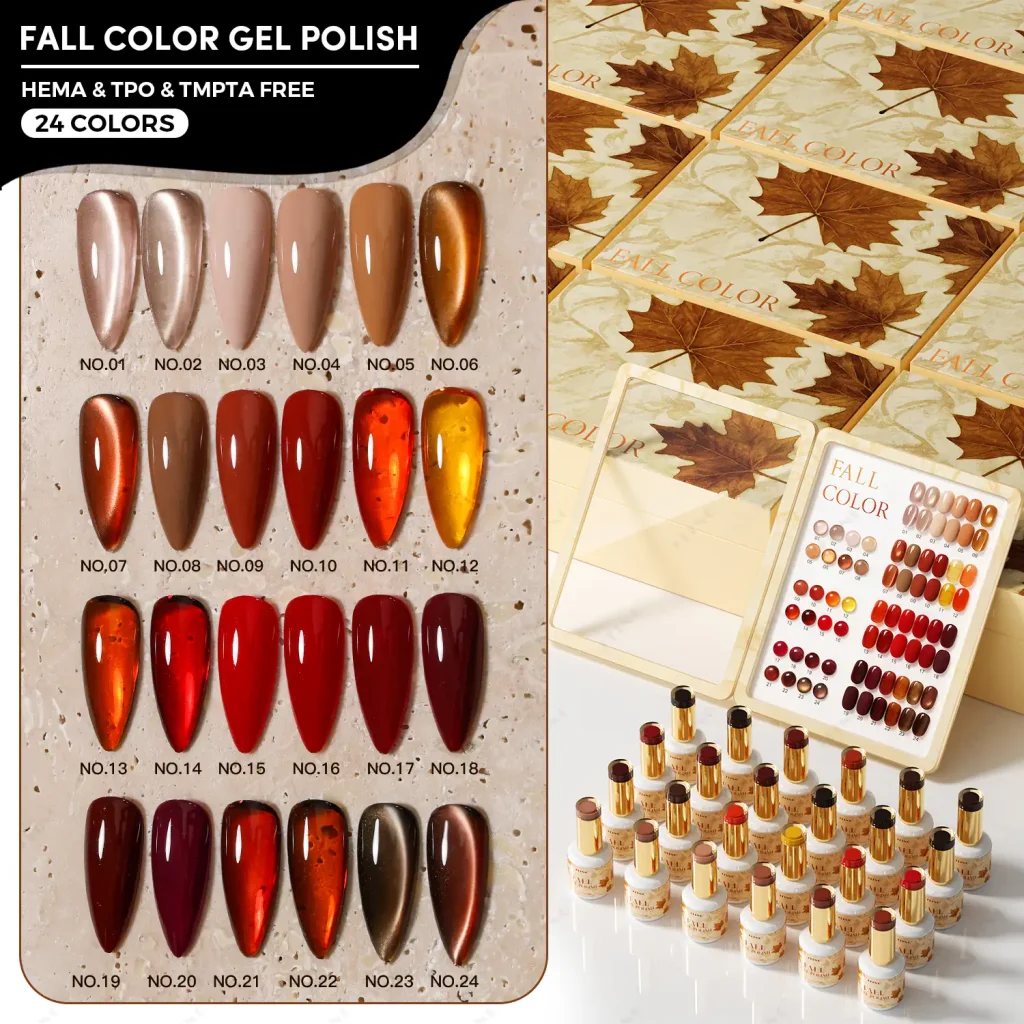
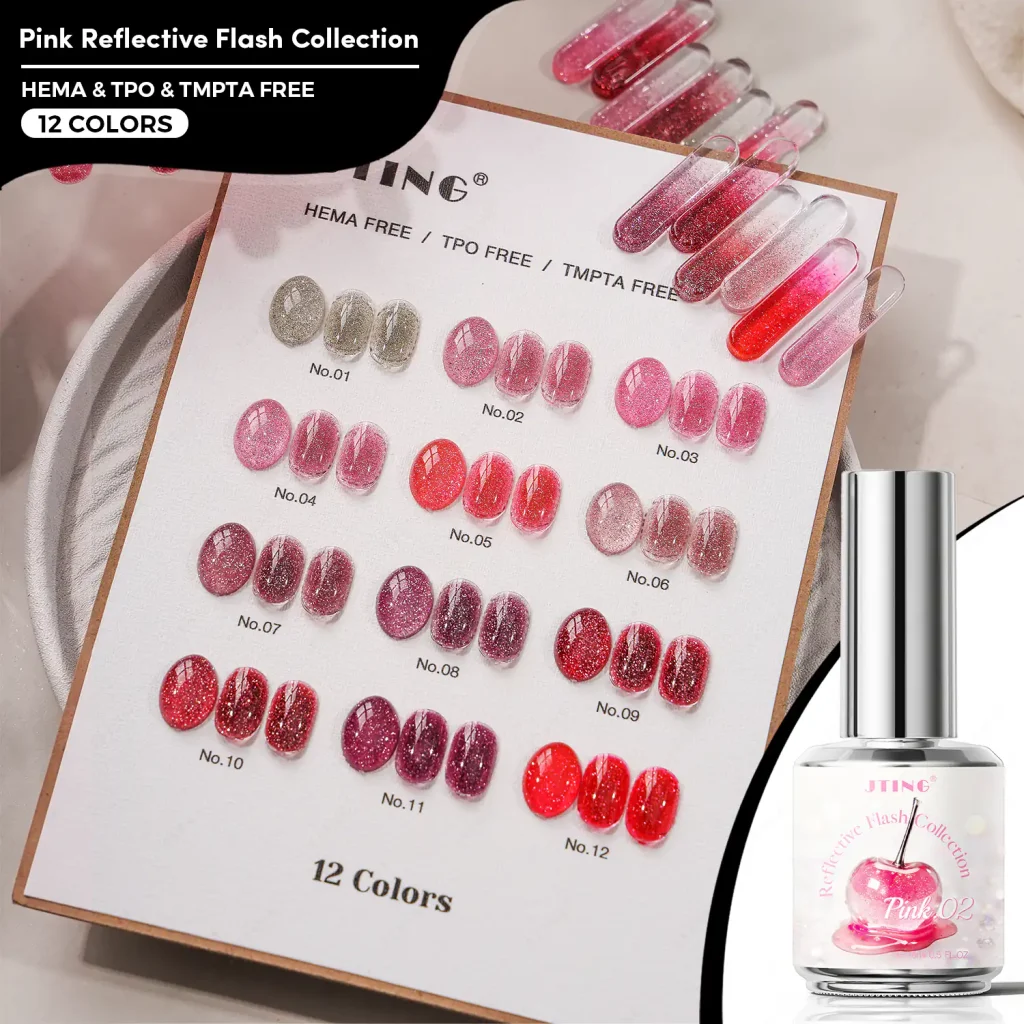
The era of cheap, high-acid gel polish is over. The most significant B2B trend is the mandatory transition to hypoallergenic formulas. Driven by severe consumer allergies and strict EU regulations, wholesale buyers are refusing products containing HEMA, Di-HEMA, and TPO. However, simply removing these chemicals degrades adhesion. The technical trend is focused on macromolecular engineering.
JTING NAIL Laboratory Advice: The future of base coat chemistry relies on large-molecule oligomers. These complex networks are too large to penetrate the skin, thereby preventing allergic reactions, but they interlock securely on the nail plate to provide 28 days of lifting-free wear.
2. Multi-Functional Structural Gels
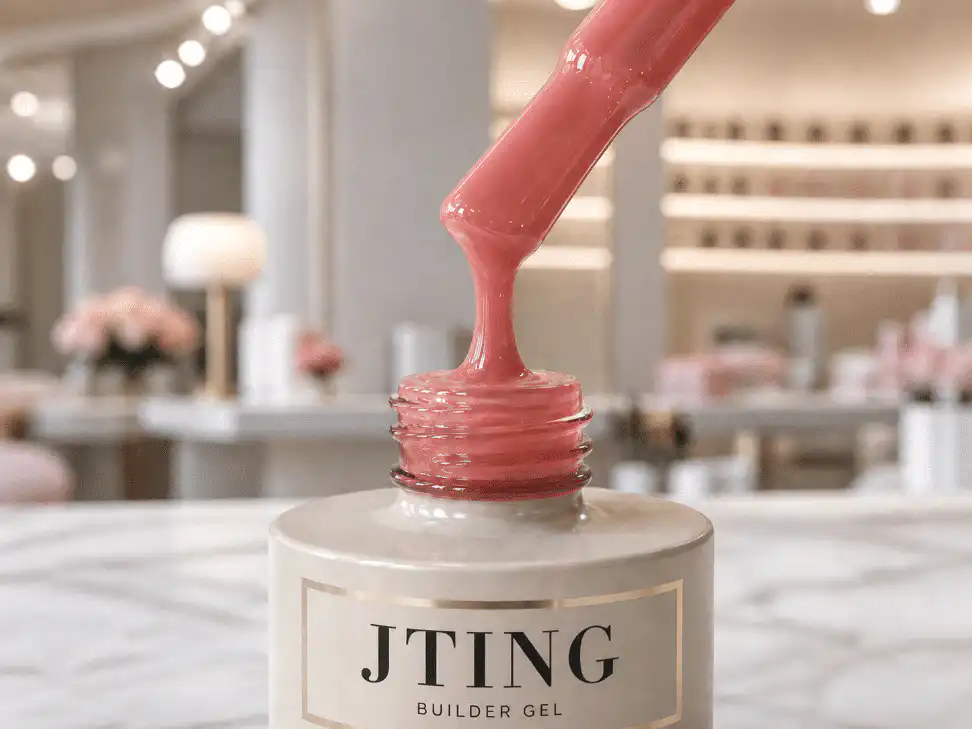
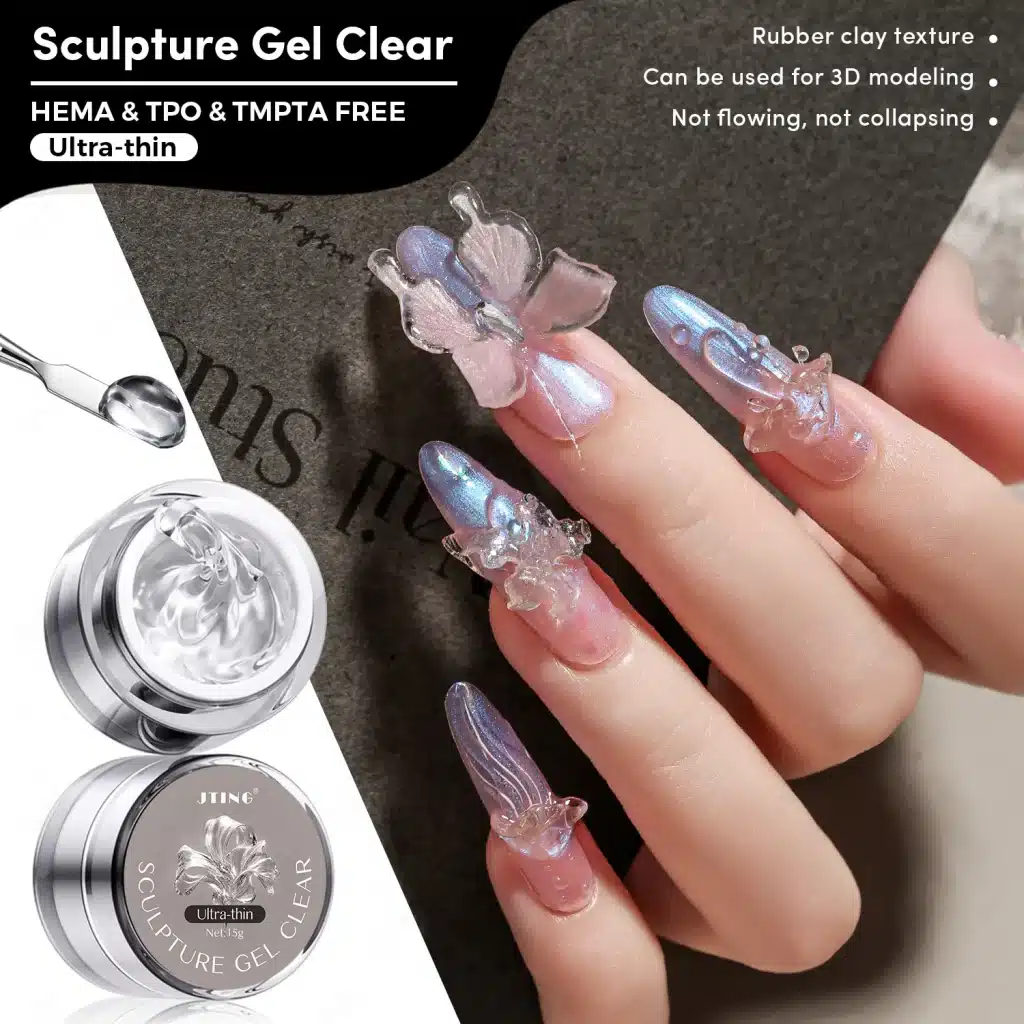
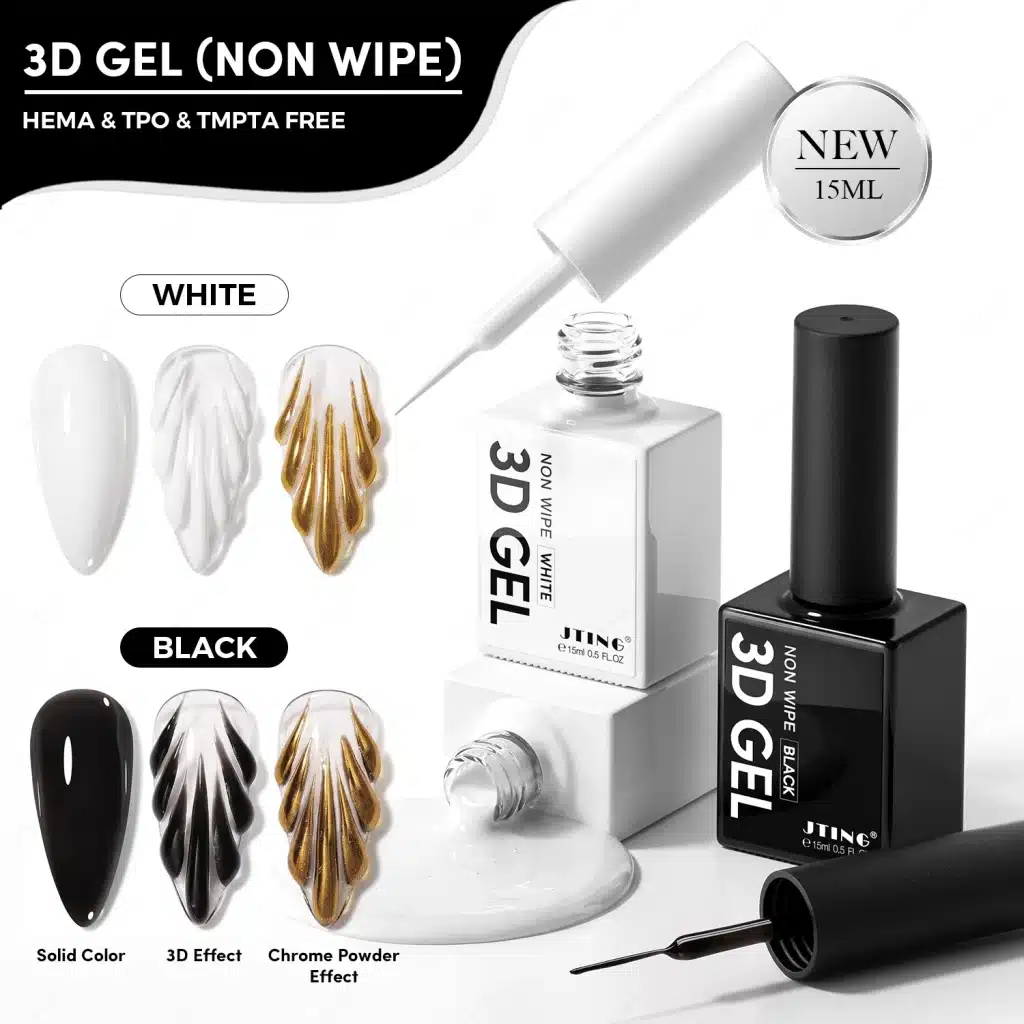
Salon owners are focused on speed and profitability. As a result, B2B demand has shifted heavily away from traditional three-step systems toward multi-functional structural products like tinted rubber base coats and Builder in a Bottle (BIAB). These products require intense R&D. They must possess the perfect self-leveling viscosity to eliminate manual filing, while maintaining the high pigment density required to act as both a structure and a color coat in one application.
3. Supply Chain Consolidation: Eliminating Trading Companies
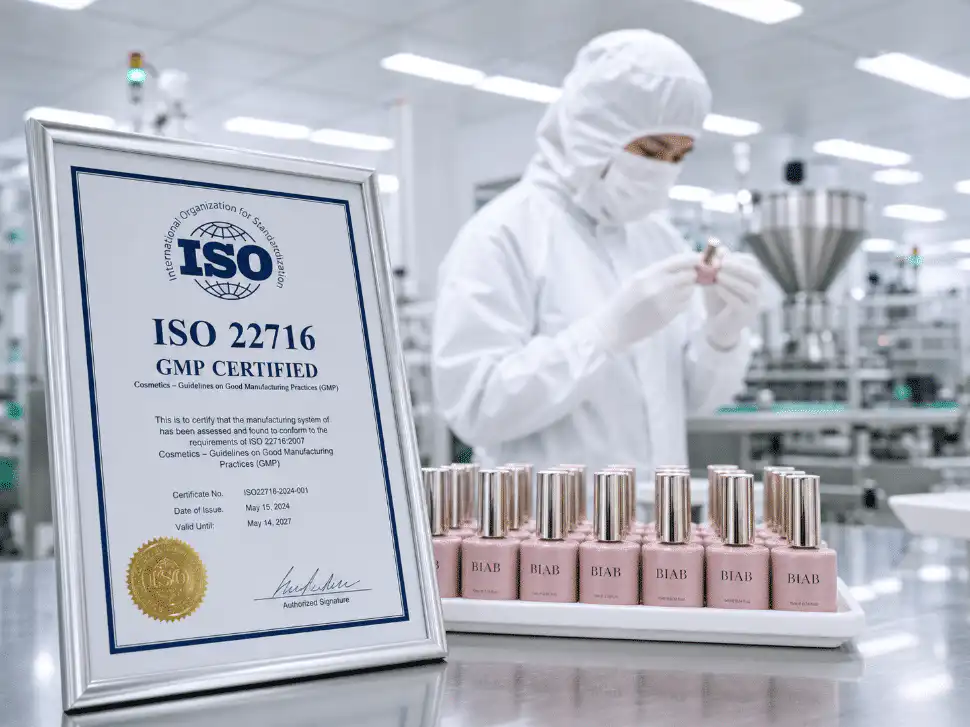
In the past, overseas buyers relied on trading companies to navigate Chinese manufacturing. Today, the trend is direct-to-factory sourcing. B2B buyers are demanding complete transparency regarding where and how their chemicals are mixed. Brands are conducting virtual audits, demanding ISO 22716 GMP certificates, and requiring direct communication with the formulation chemists. Buying from a middleman who hides the factory identity is now considered an unacceptable business risk.
4. Trading Companies Vs. Jting Nail Innovations
Aligning with industry trends requires a forward-thinking manufacturing partner.
| Evaluation Metric | Generic Trading Company | JTING NAIL Source Factory |
|---|---|---|
| Formula Safety Focus | Still pushing outdated, high-HEMA inventory to clear warehouse space. | Leads the market with 100% HEMA-free and TPO-free premium formulas. |
| Product Development | Only offers basic color gels and standard top coats. | Engineers advanced BIAB, rubber bases, and specialized non-yellowing aliphatic top coats. |
| Supply Chain Transparency | Refuses to show production lines or lab facilities. | Offers live virtual factory tours, proving our status as a true, GMP-certified source factory. |
Conclusion: Adapt To The New Standards
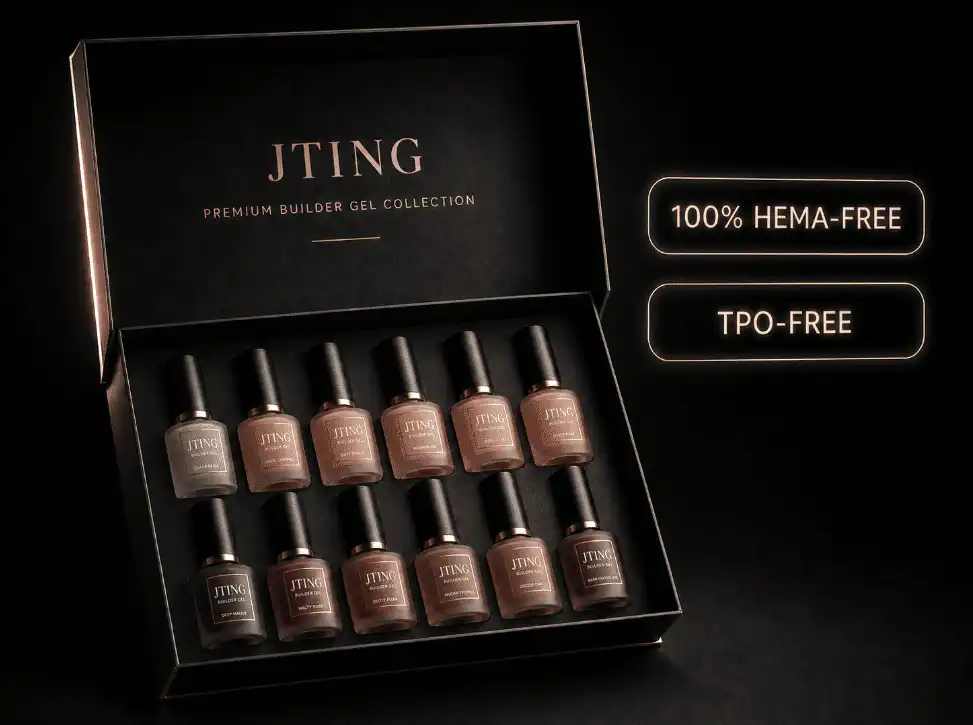
The B2B gel polish market is evolving rapidly. Success now requires exact chemical engineering, regulatory compliance, and direct factory partnerships. If your current supplier cannot provide hypoallergenic safety data or customize the viscosity of a builder gel, they are holding your business back.
At JTING NAIL, we define the trends rather than follow them. We provide salon-exclusive brands with the advanced chemistry and transparent manufacturing they need to dominate their local markets. Contact our formulation team today to upgrade your product line to the latest industry standards.