Ordering gel polish based on personal preference is a fast way to freeze your working capital in dead stock. For salon owners and distributors, every SKU must justify its place on the shelf. If you stock colors that separate, fade, or wrinkle during curing, you lose both money and clients.
As the formulation specialist at JTING NAIL, I analyze purchasing data across North American and European markets daily. The trends are clear, but the manufacturing behind them is complex. In this guide, we break down the most profitable color categories this year and the chemical requirements your manufacturer must meet to produce them correctly.
1. The Dominance Of Sheer Nudes And Builder Gels
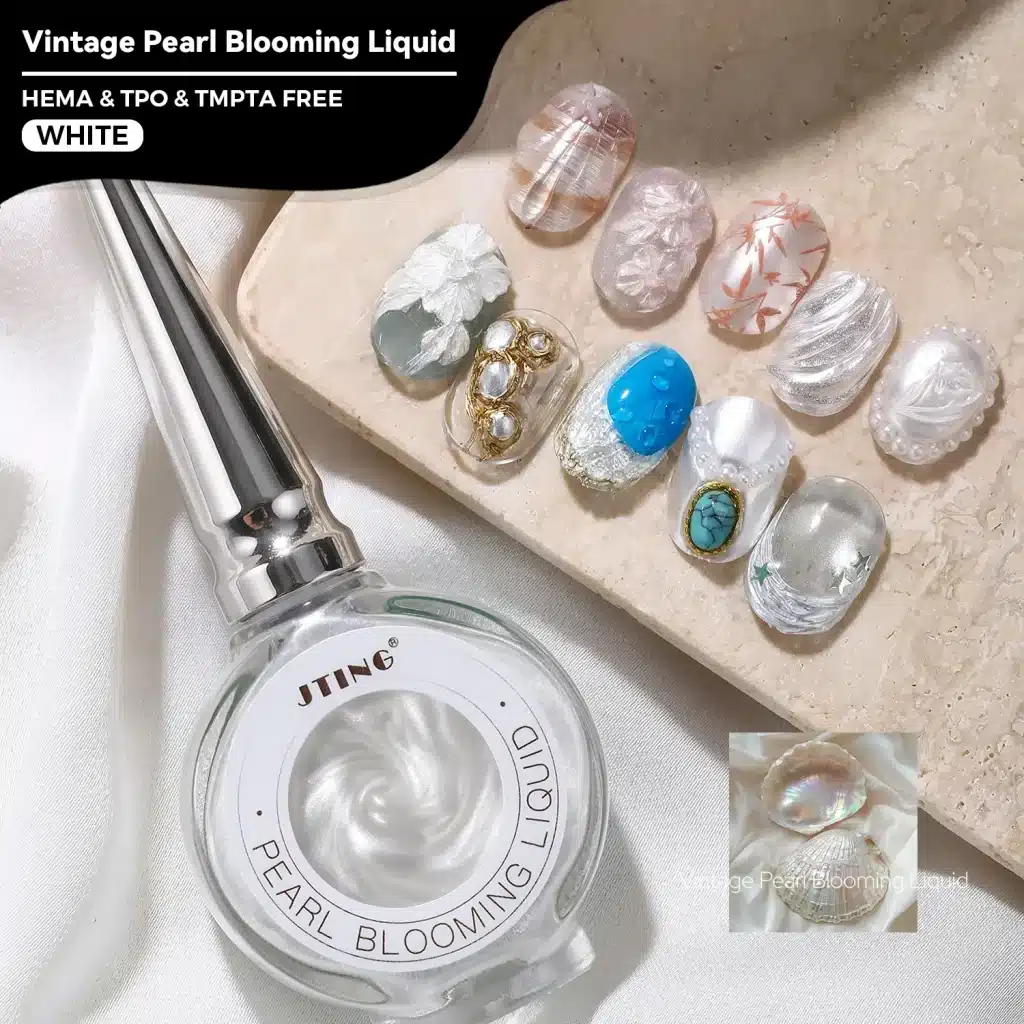
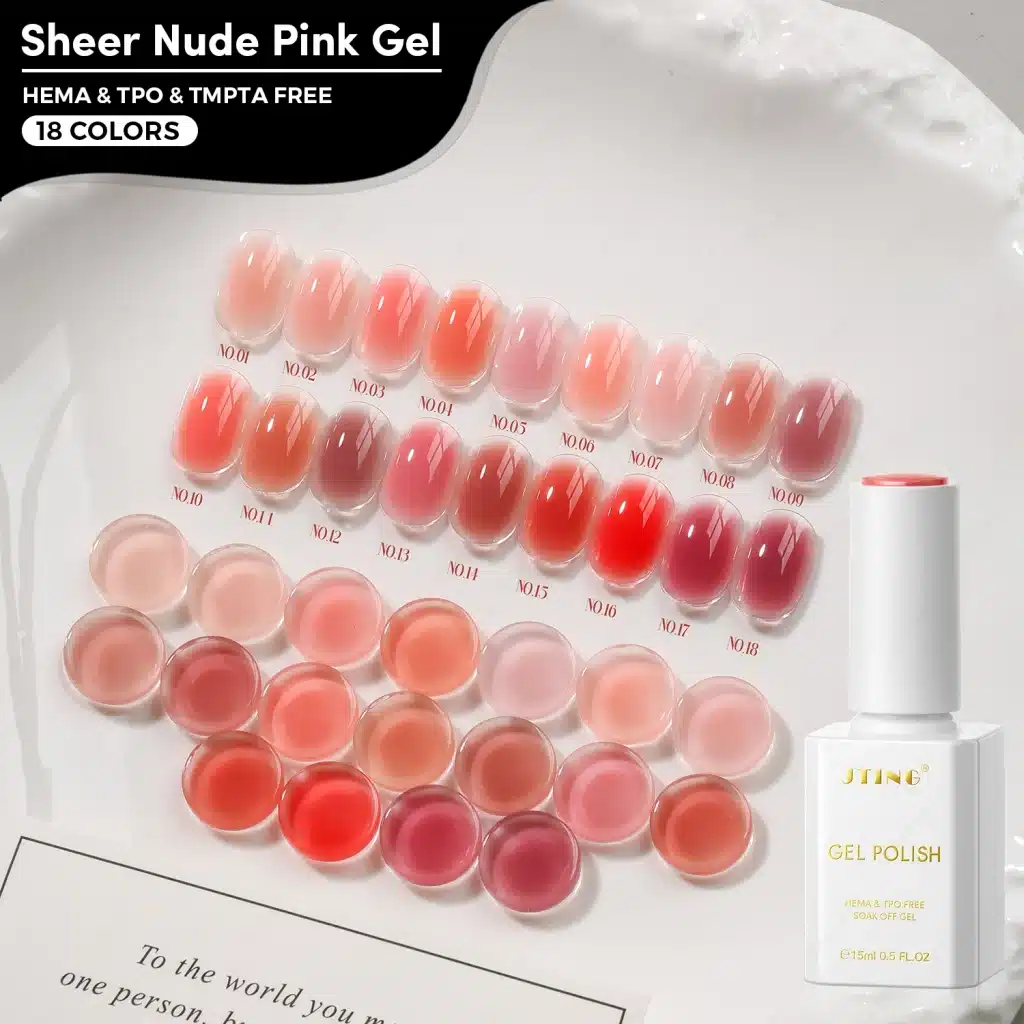
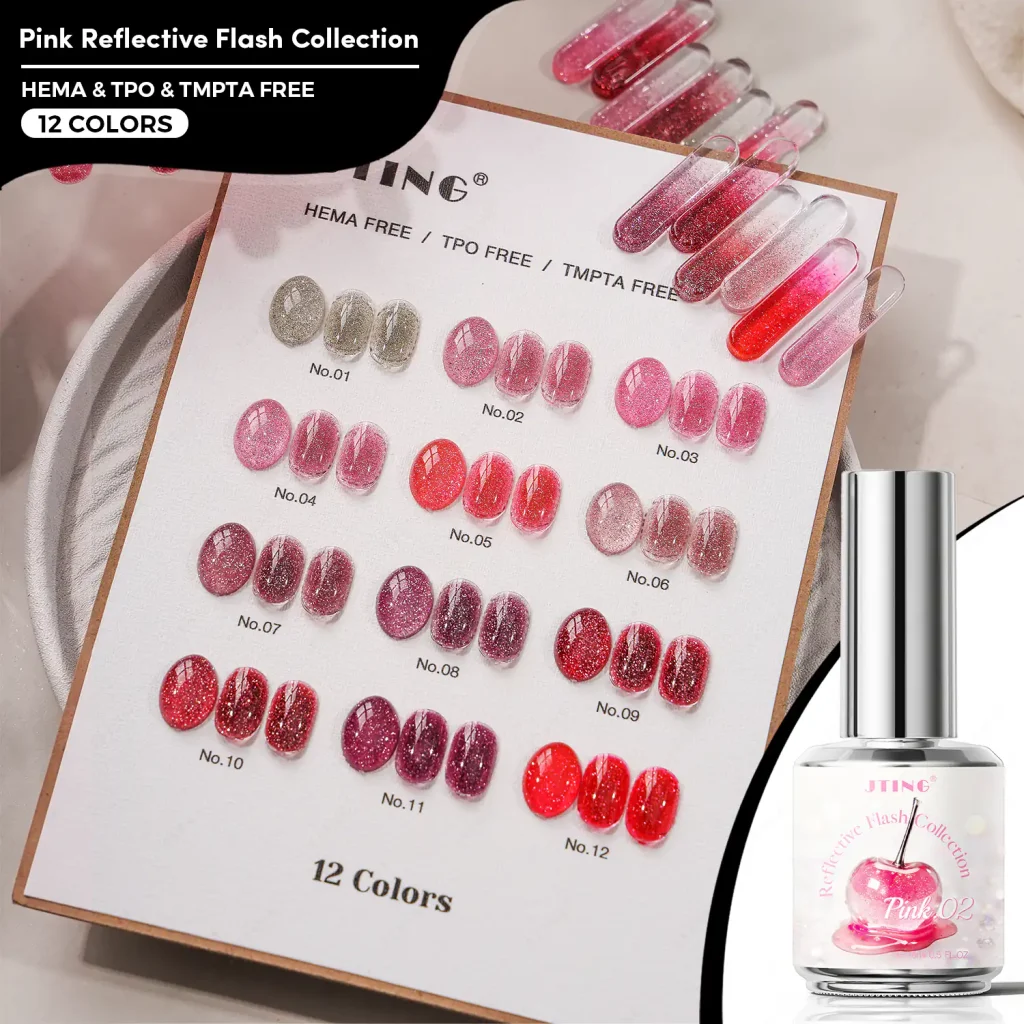
Sheer pinks, milky whites, and natural nudes are currently driving over 40% of standard salon revenue. The rise of the clean girl aesthetic means clients want nails that look natural but structurally perfect. However, formulating a sheer color is technically demanding. Cheap sheer polishes often appear streaky or cure unevenly.
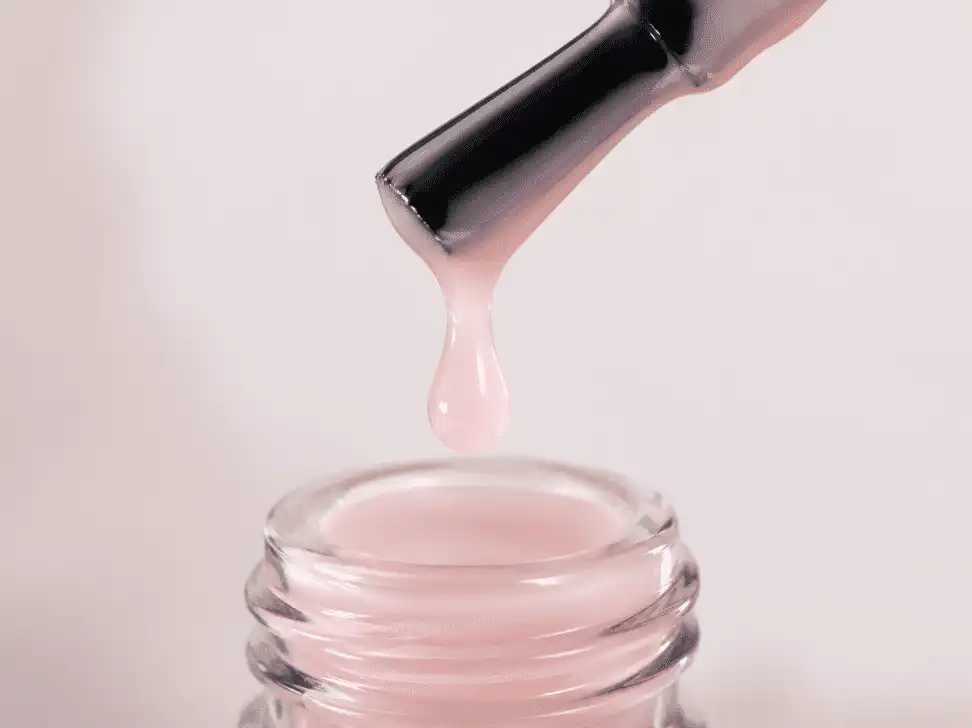
JTING NAIL Laboratory Advice: To achieve a flawless sheer nude, your manufacturer must utilize nanoscale pigment grinding. The pigment particles must be small enough to remain suspended in the oligomer base without clumping, ensuring smooth, self-leveling application without brush strokes.
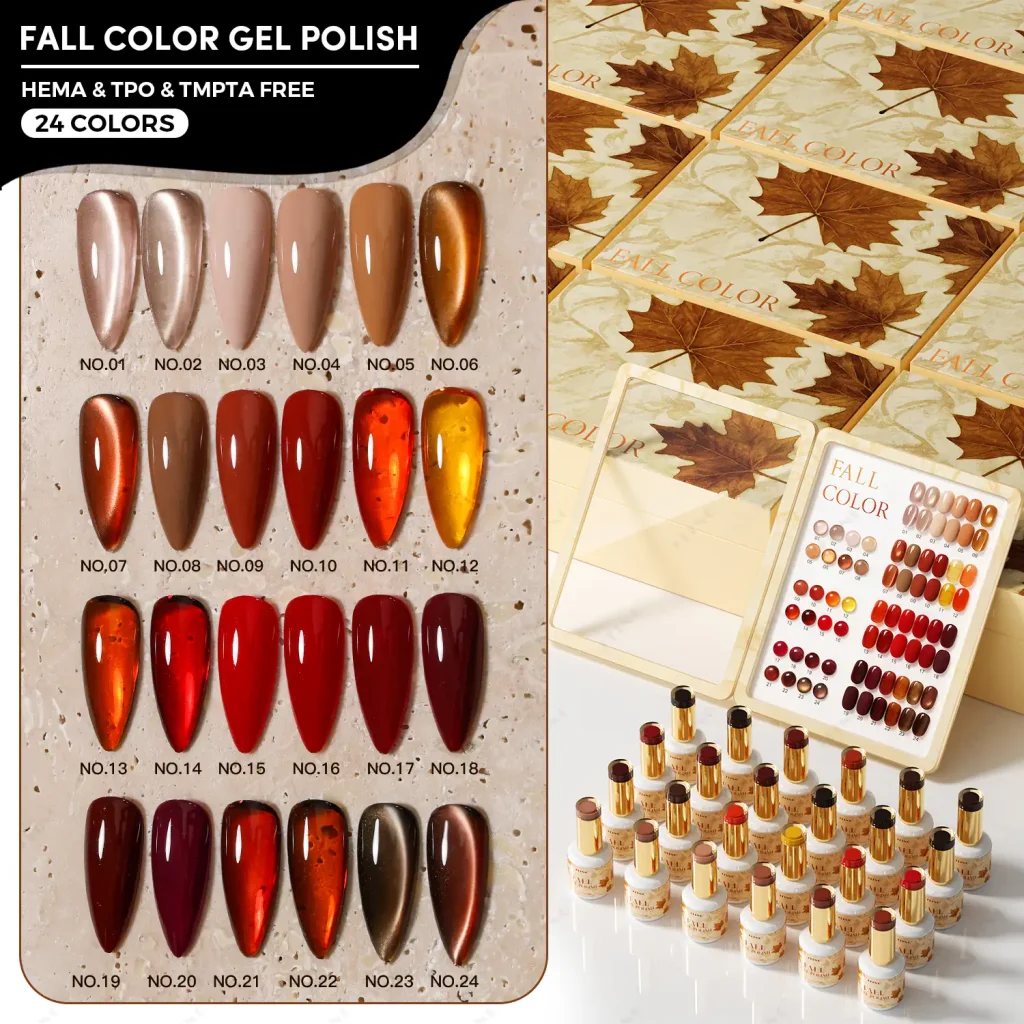
2. The Return Of Deep Pigments: Blacks, Reds, And Wines
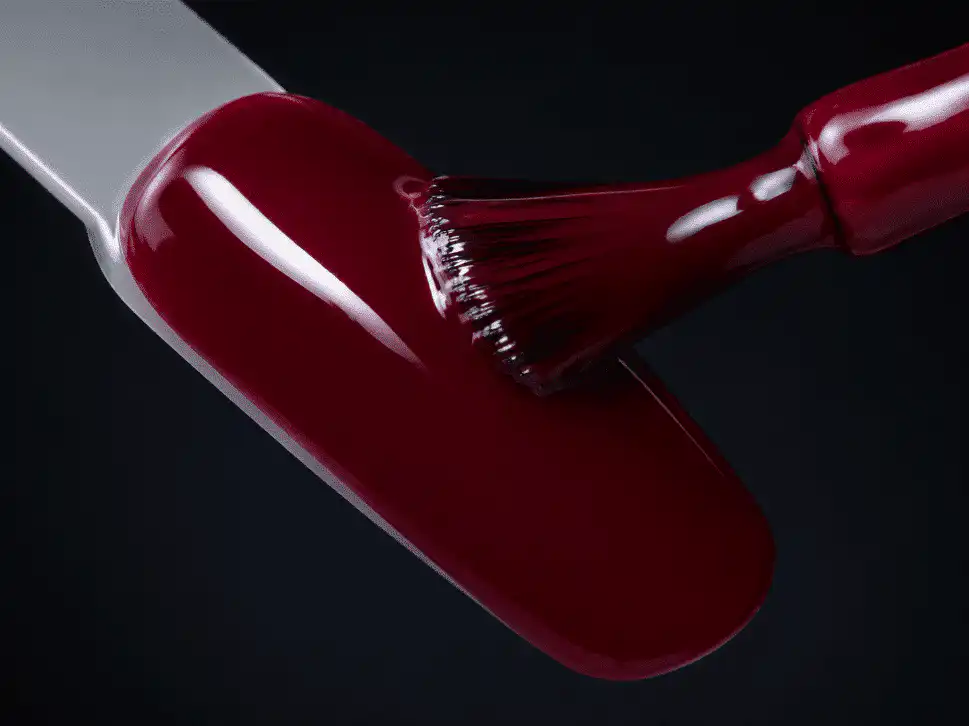
Classic reds and deep winter shades remain high-volume staples. But highly pigmented gels present a major curing hazard. Dark pigments block UV/LED light from reaching the bottom of the gel layer, often causing the surface to wrinkle while the bottom remains wet.
To solve this, a true source factory adjusts the photoinitiator ratio specifically for dark shades. If your current dark colors are wrinkling, your supplier is likely using a universal clear base and just dumping pigment into it.
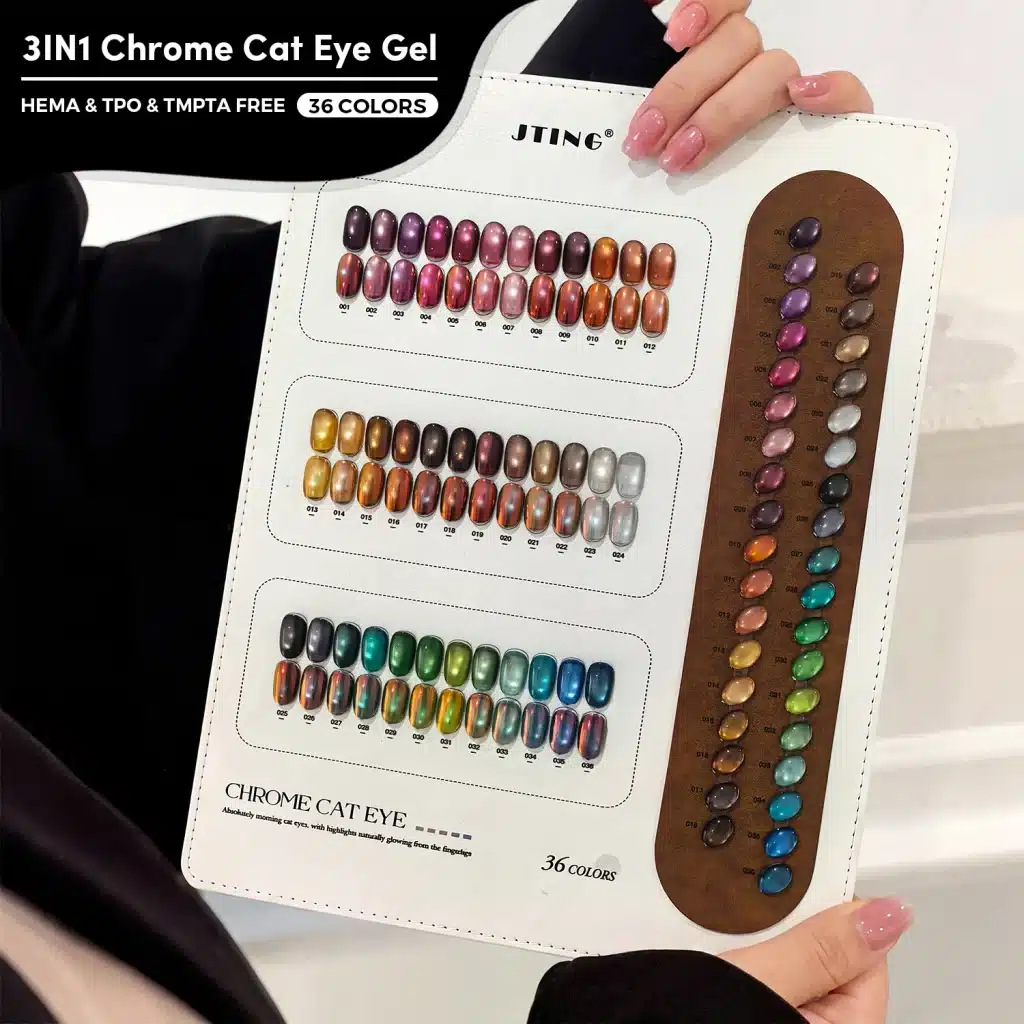
3. Specialty Finishes: Magnetic Cat-Eye And Chrome
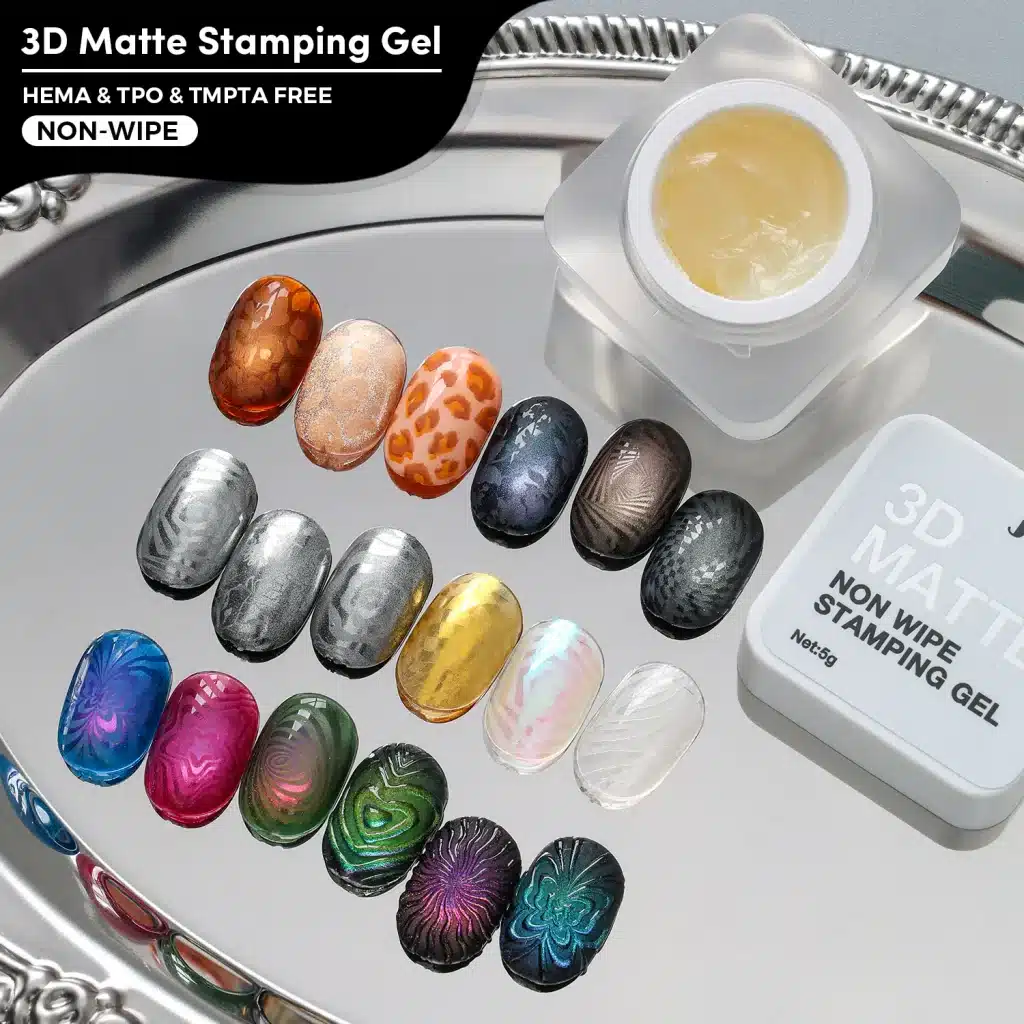
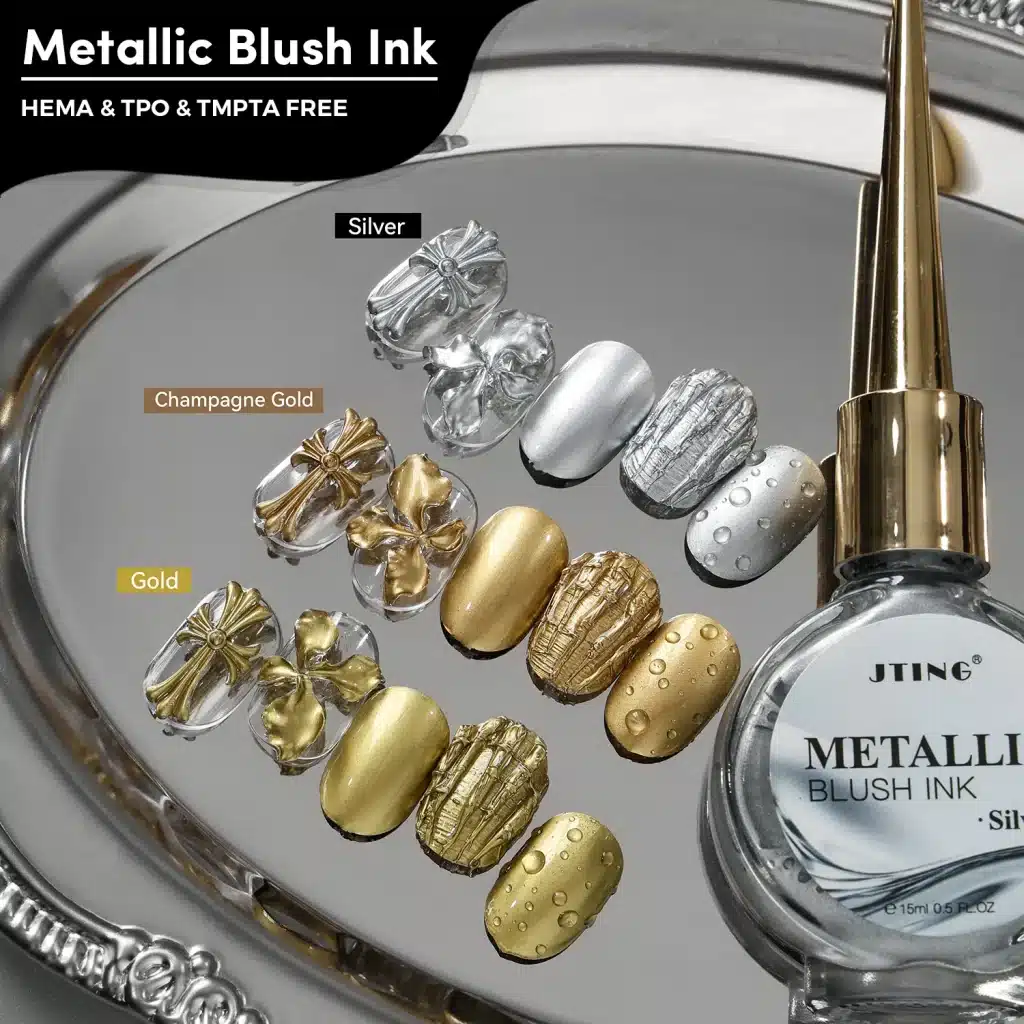
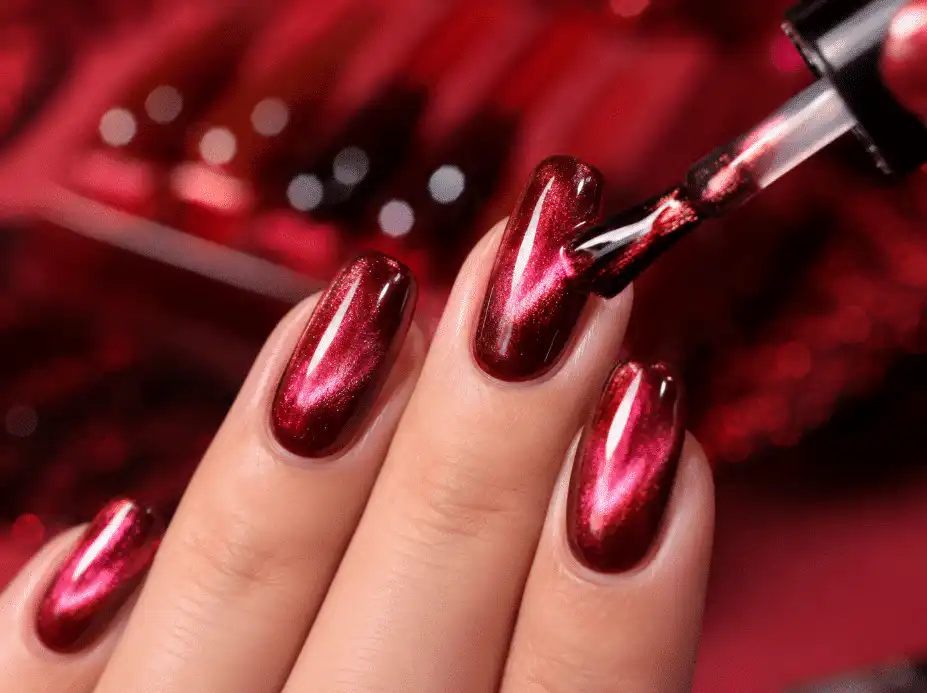
Textured and interactive finishes are high-margin services for salons. Magnetic gels (Cat-Eye) require precise suspension chemistry. If the gel is too thin, the magnetic particles sink to the bottom of the bottle. If it is too thick, the technician cannot manipulate the magnetic pull easily.
Industry data shows that consumer interest in metallic and magnetic finishes spikes sharply ahead of holiday seasons. Ensure your supplier tests magnetic particle stability through accelerated heat testing before shipping your bulk order.
4. Standard Supplier Vs. Jting Nail Pigment Capabilities
Comparing color production capabilities is critical for brand owners.
| Evaluation Metric | Standard Supplier | JTING NAIL Manufacturer |
|---|---|---|
| Pigment Stability | Colors sink and separate after 3 months on the shelf. | Nanoscale grinding ensures 24-month color suspension stability. |
| Curing Performance | Dark colors wrinkle or require extremely thin coats. | Optimized photoinitiator ratios ensure complete curing for all pigment densities. |
| Color Matching | Visual approximations resulting in batch variations. | Spectrophotometer-verified Pantone matching with zero batch-to-batch color shift. |
Conclusion: Stock Colors That Perform
Chasing trends without understanding the chemistry behind the pigment will damage your brand. Whether you need the perfect milky white or a highly pigmented classic red, your gel polish must cure properly, self-level perfectly, and remain stable in the bottle.
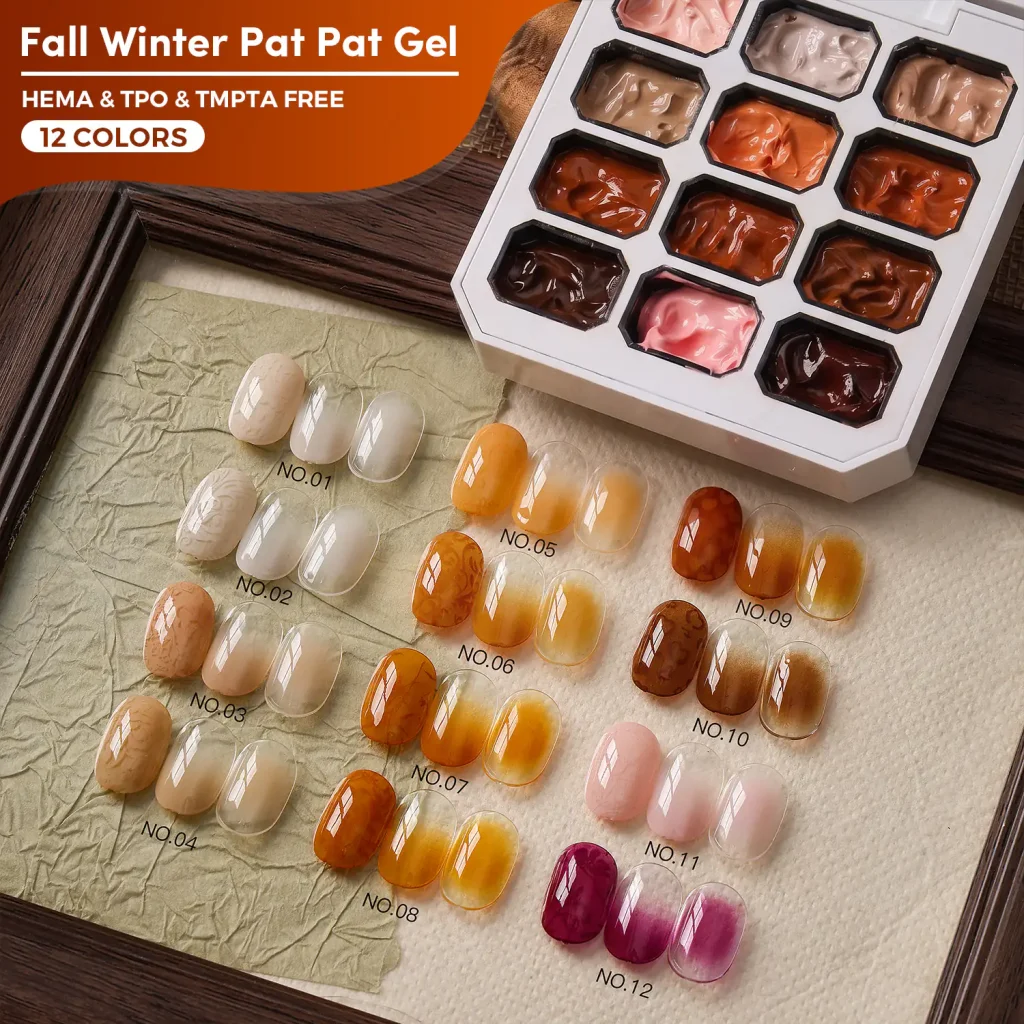
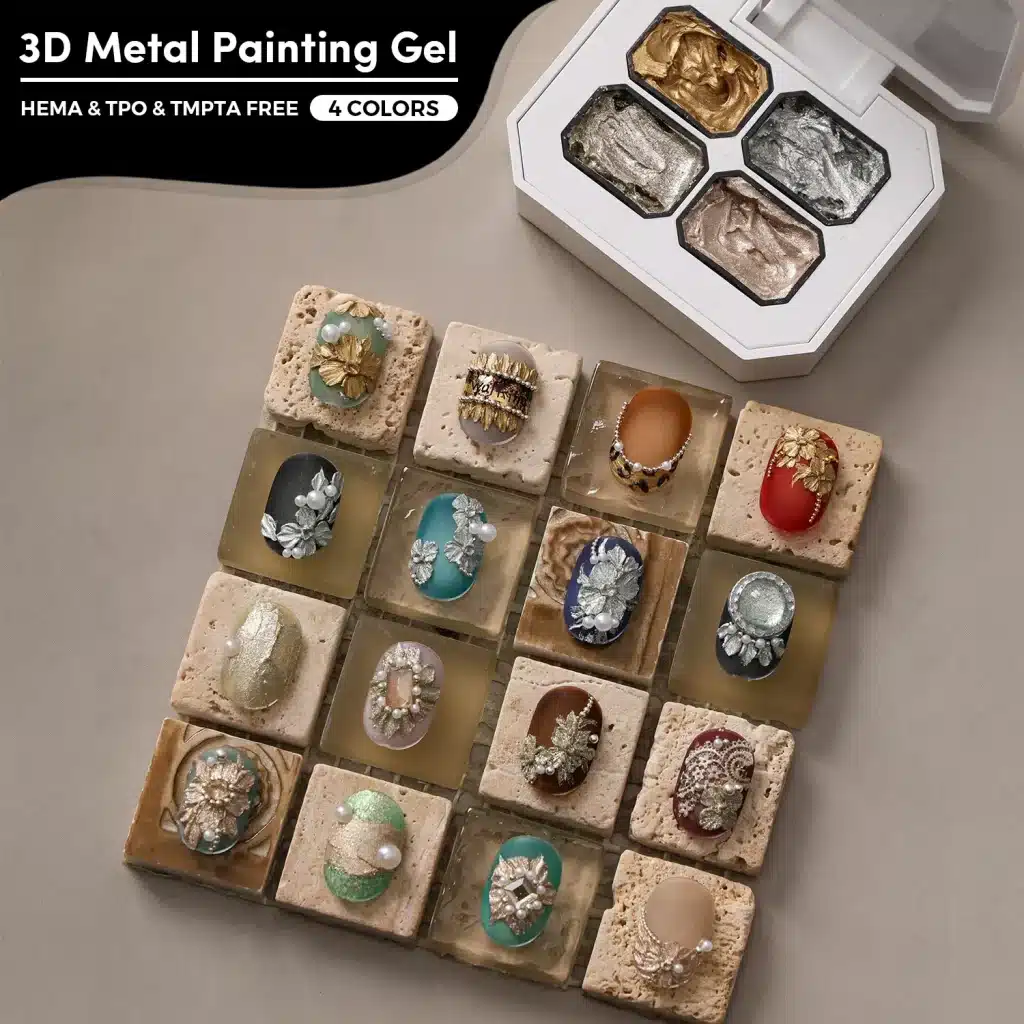
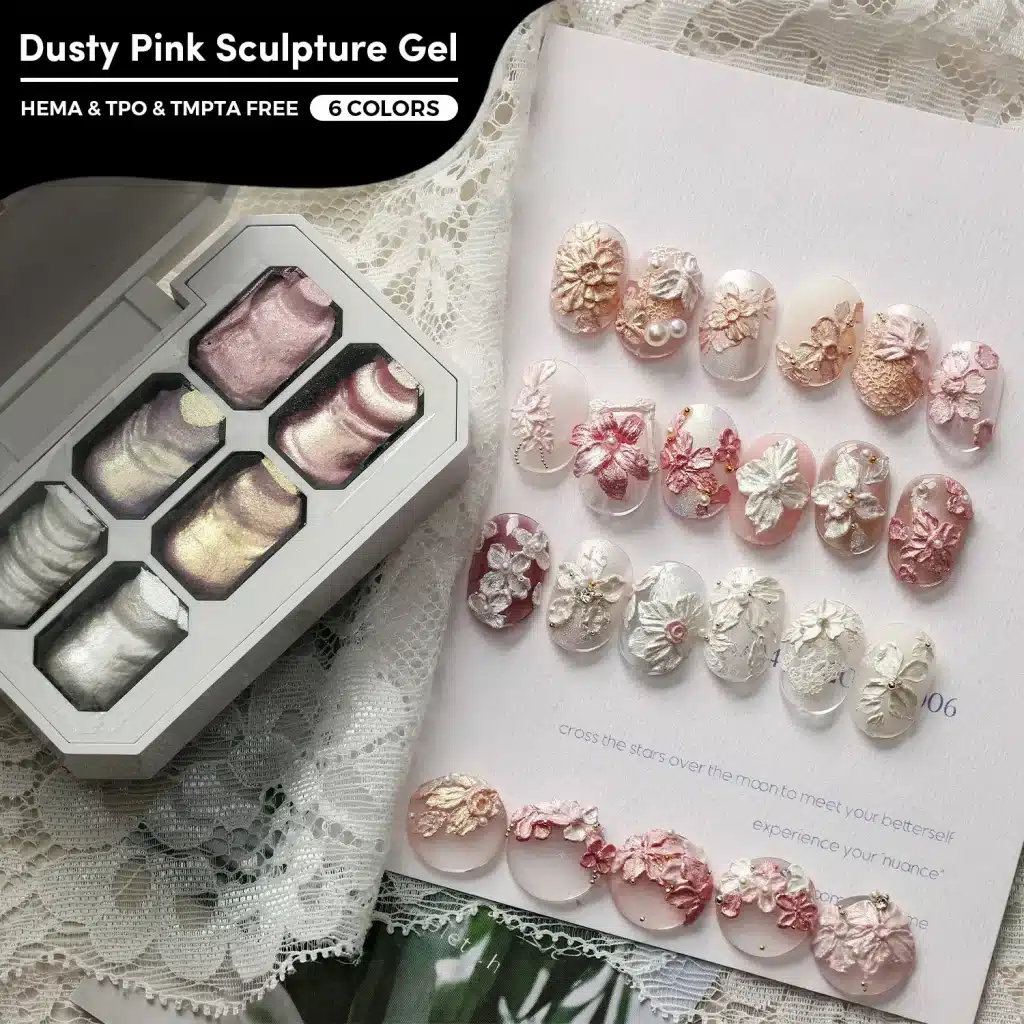
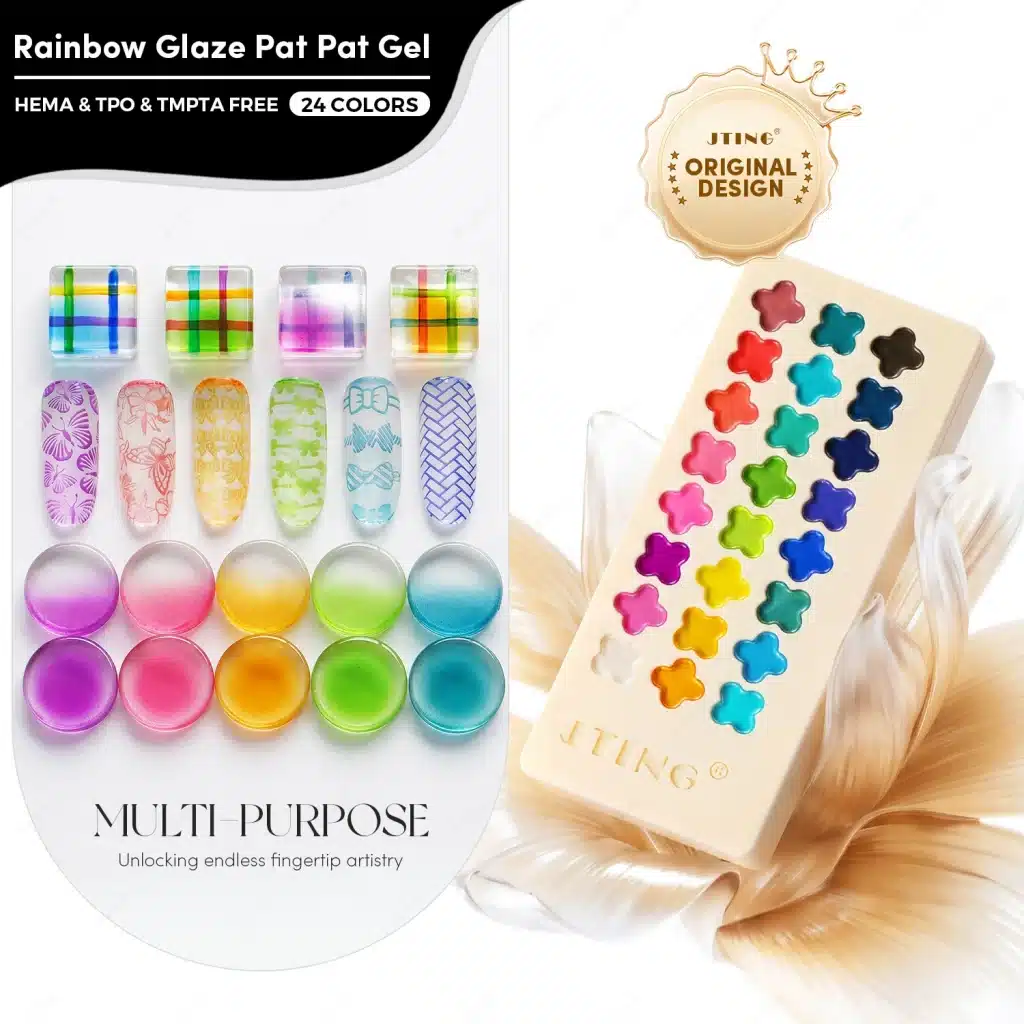
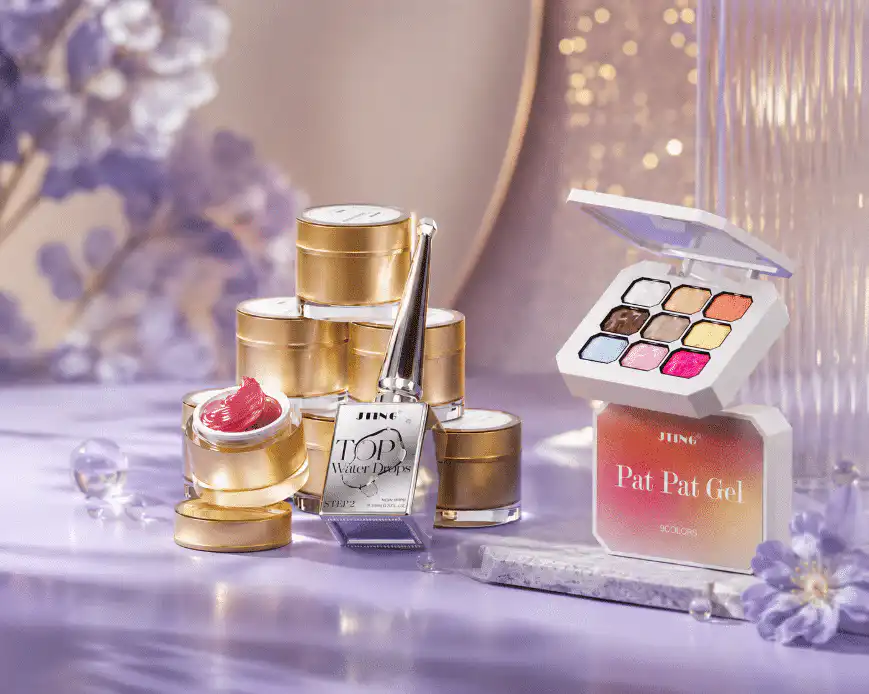
At JTING NAIL, we innovate beyond traditional bottles to solve pigment stability once and for all. Our highly pigmented Pat Pat Solid Gel Palettes and premium potted gels deliver exact color consistency, zero separation, and flawless one-coat application. Don’t risk your capital on unstable formulas. Contact our team today to explore our innovative solid gel collections and test our advanced pigment chemistry on your own desk.