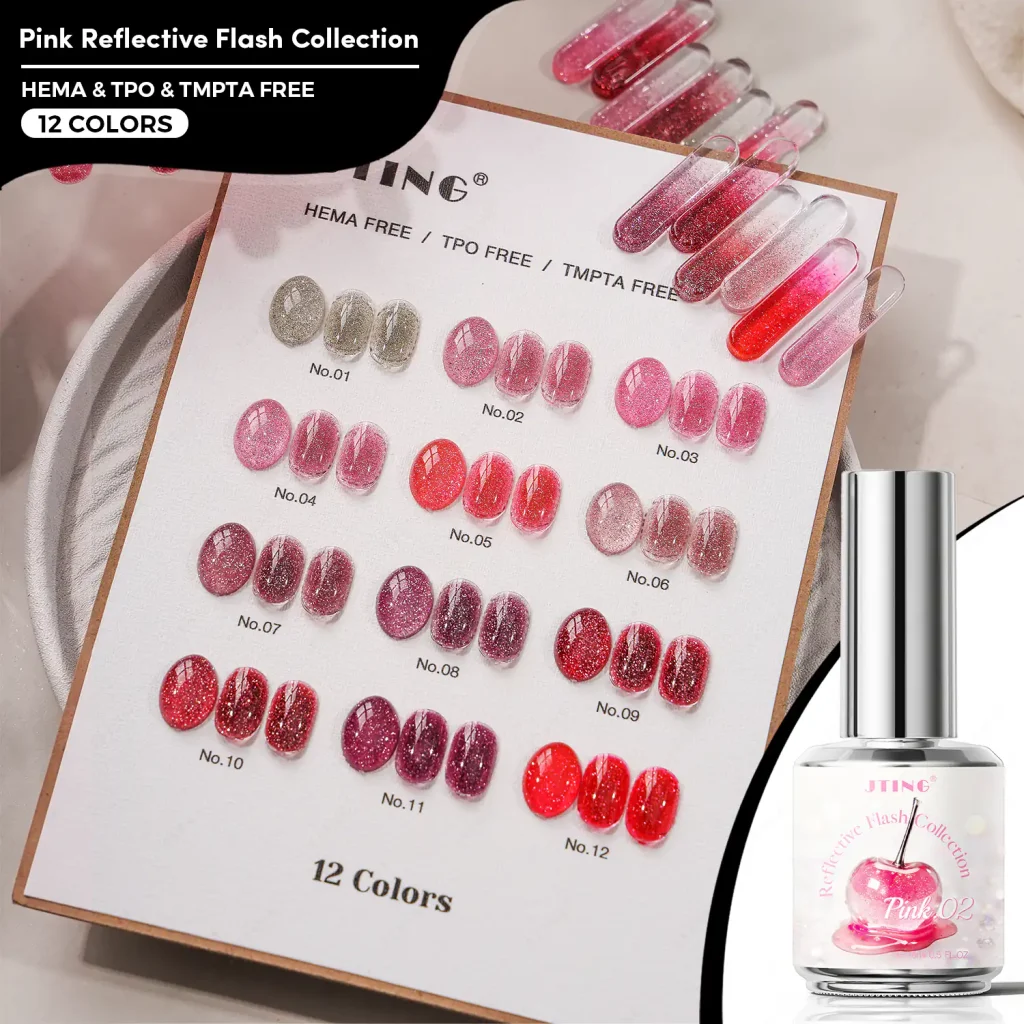
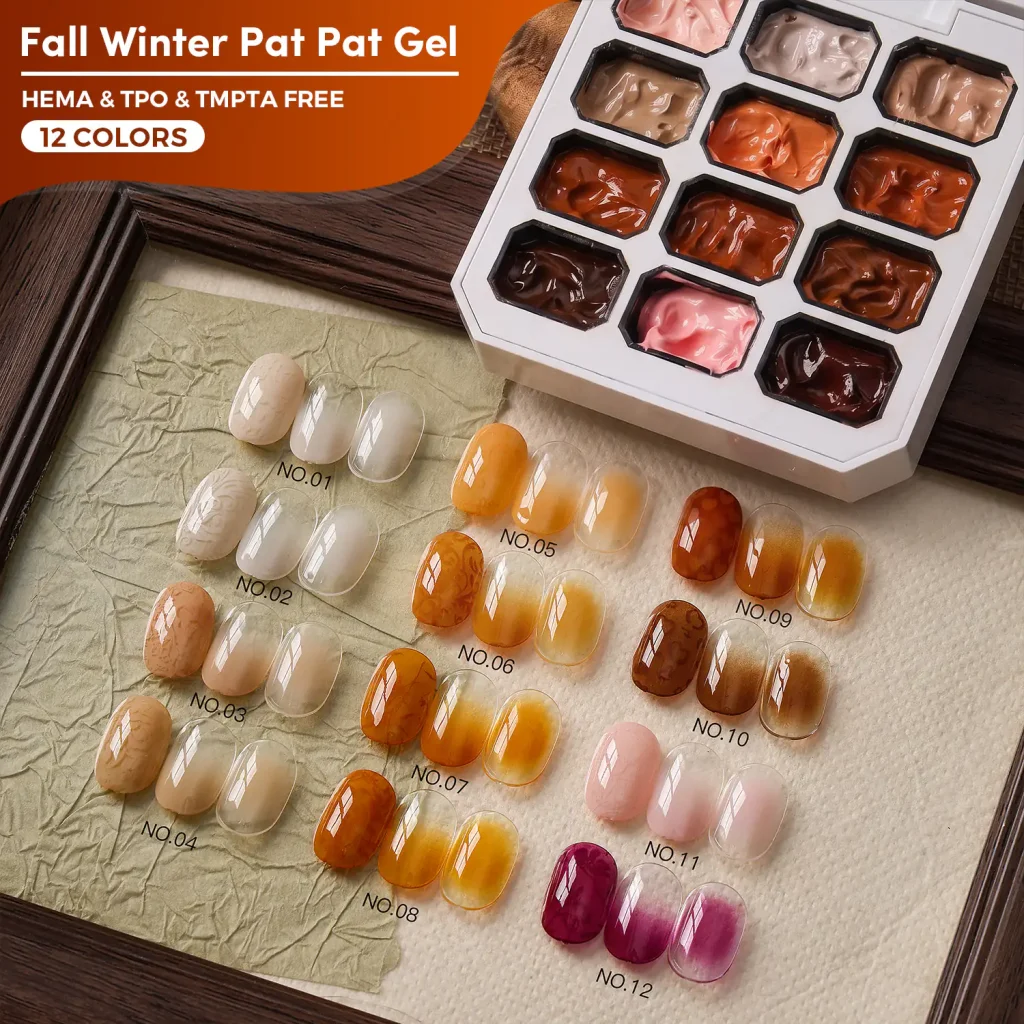
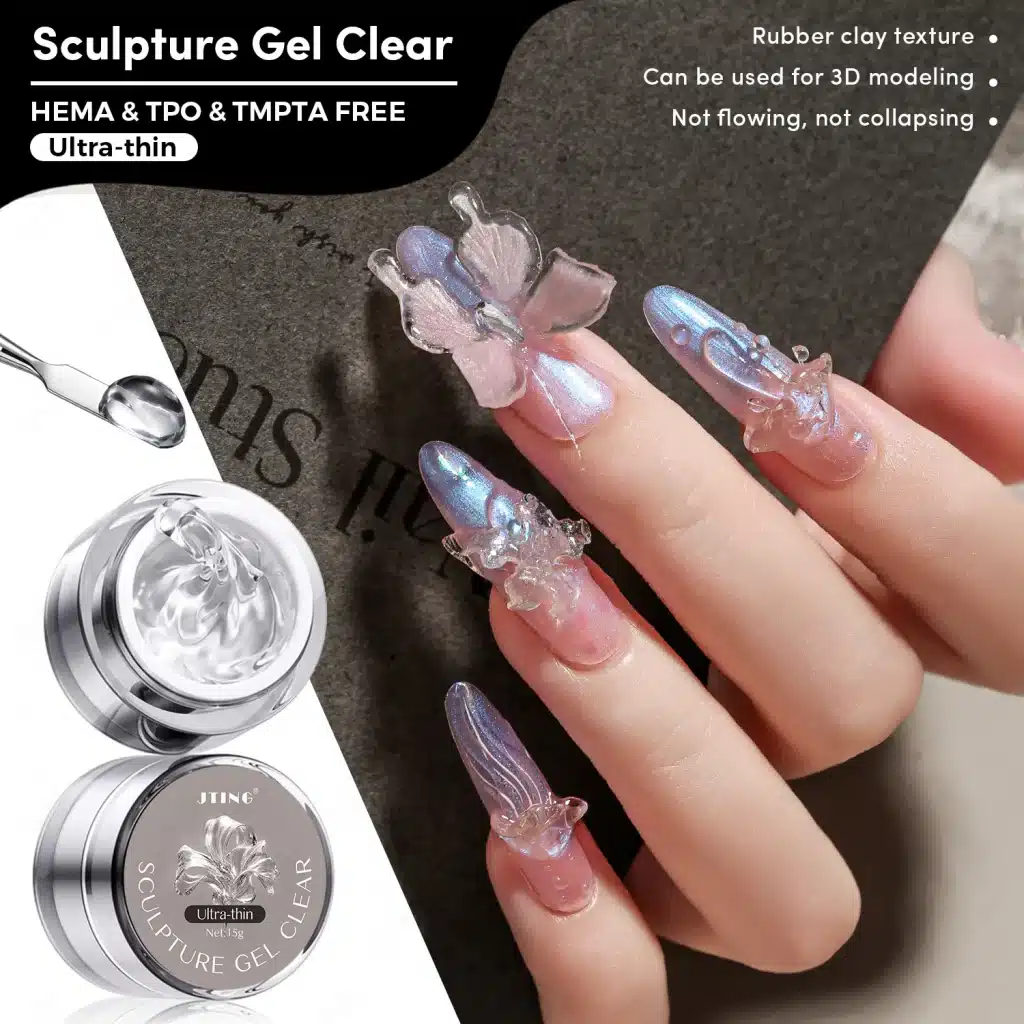
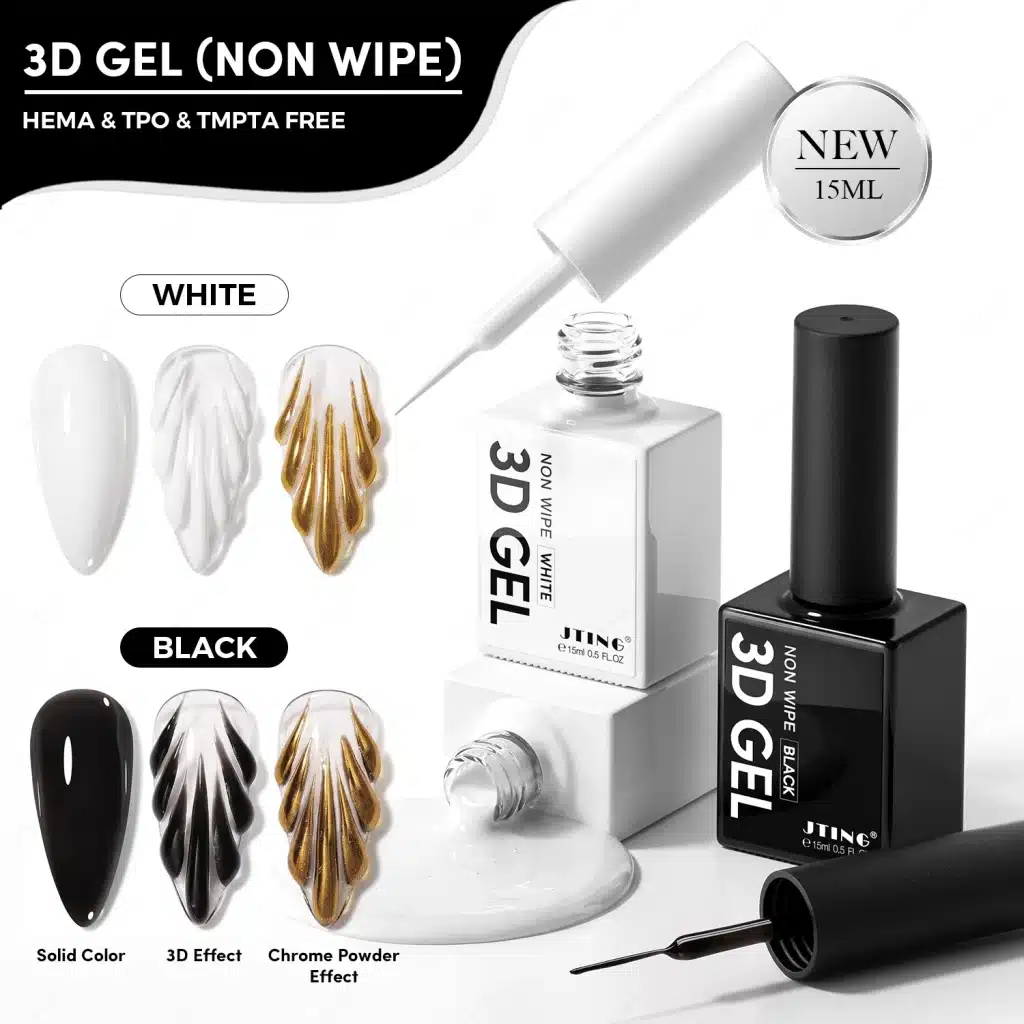
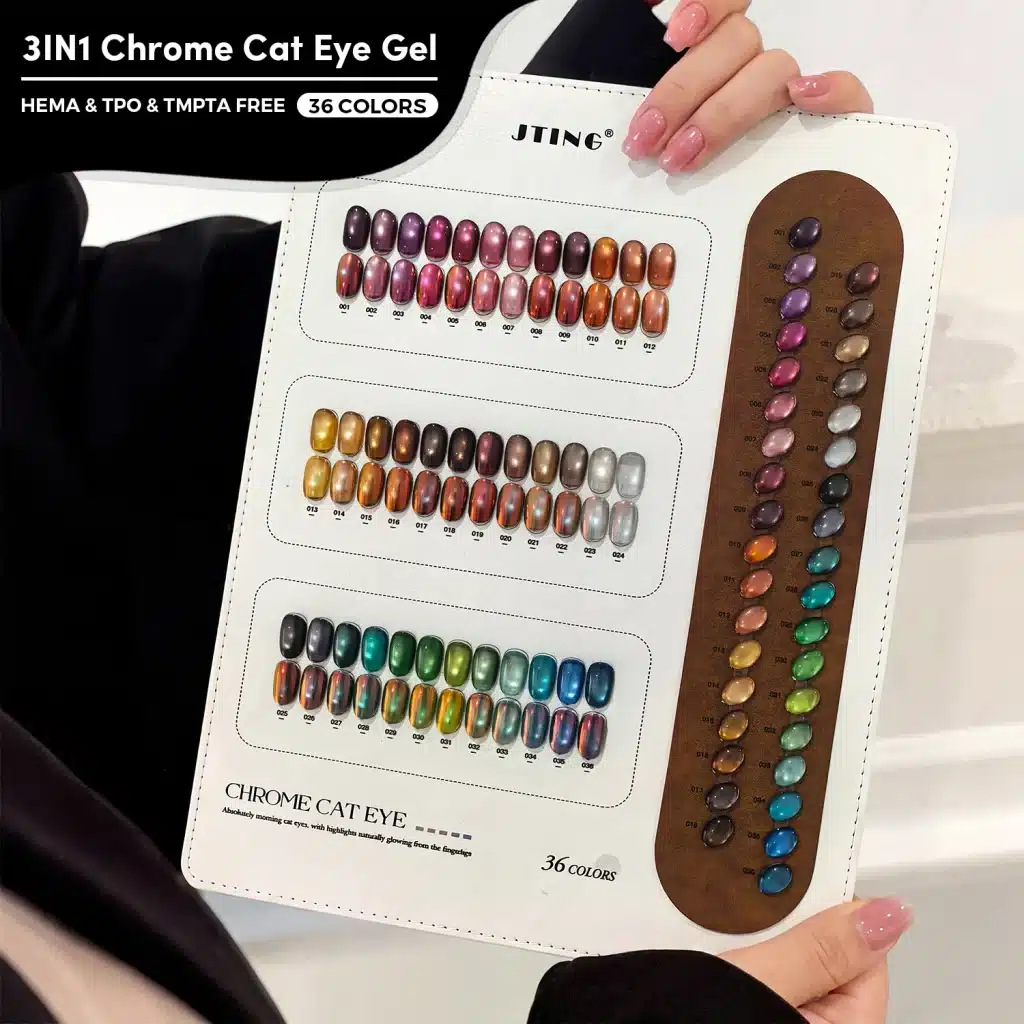
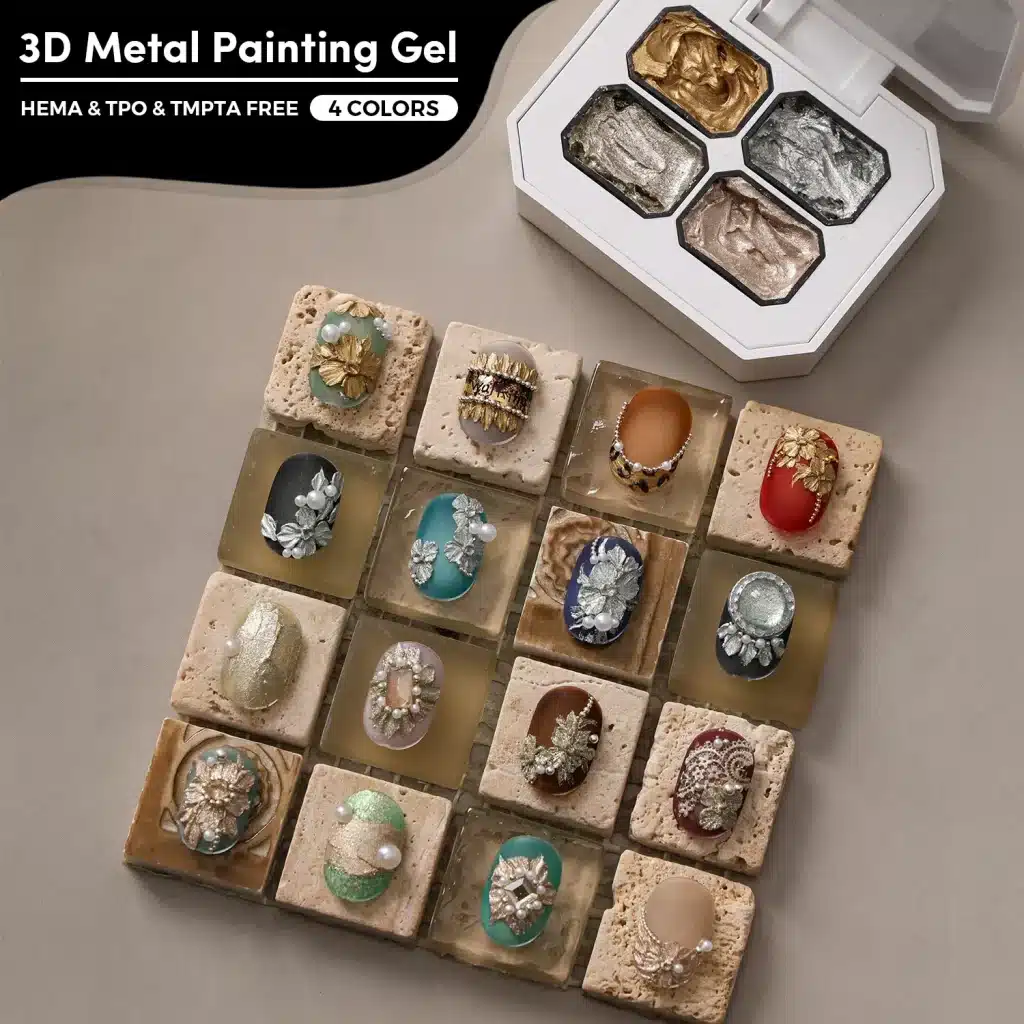
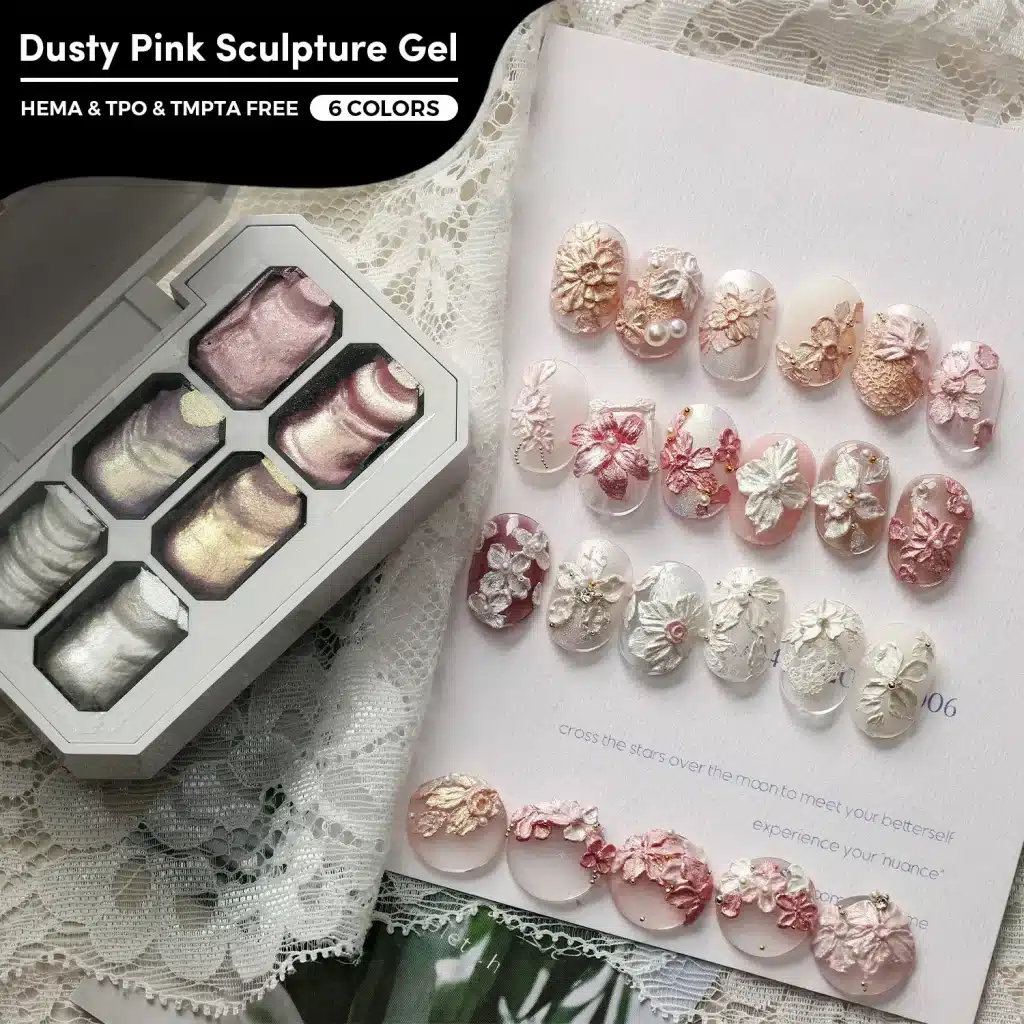
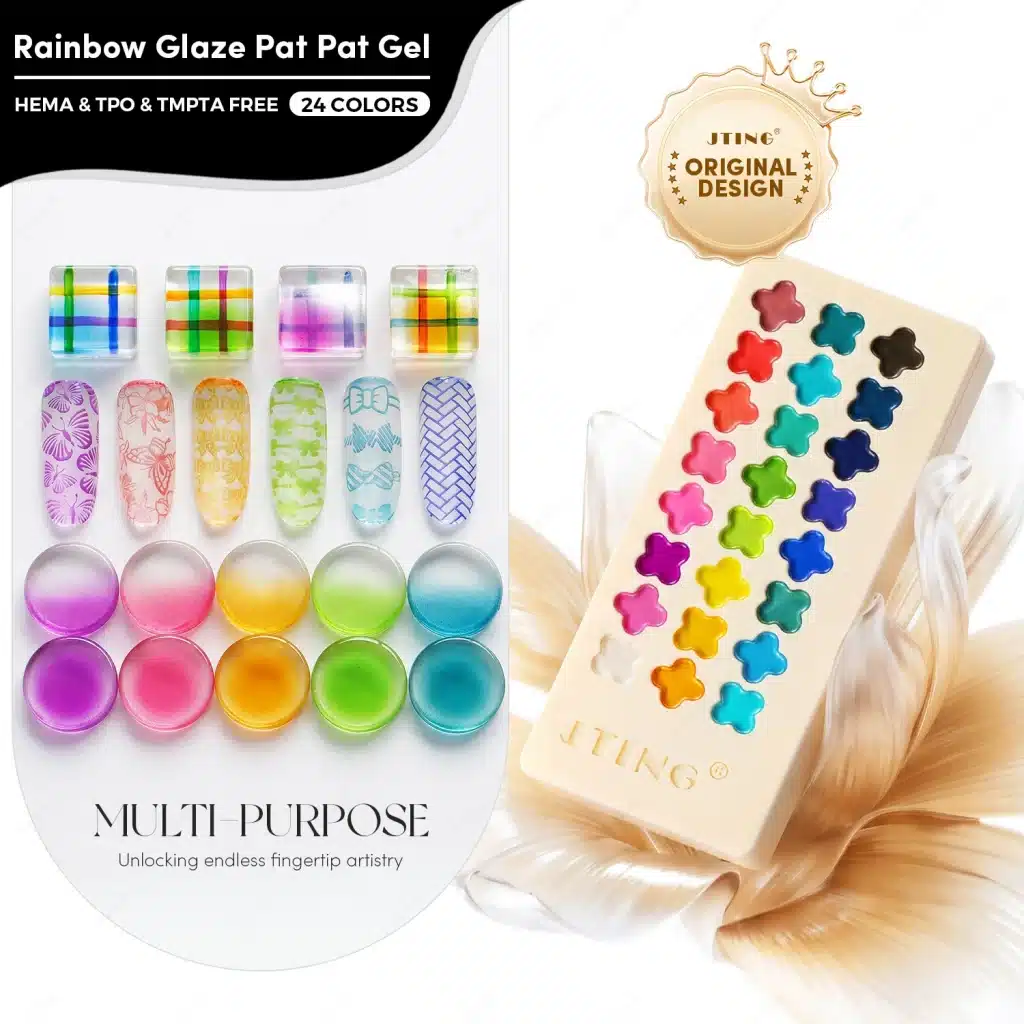
Partnering with the wrong gel polish manufacturer isn’t just a minor inconvenience; it is a direct threat to your brand’s reputation. Whether you are running a high-end salon chain or launching a private label brand, poor quality formulas lead to severe consequences: rapid peeling, extreme heat spikes, yellowing, and potentially dangerous allergic reactions.
When sourcing overseas, the lowest price tag is often a trap. How do you distinguish a world-class OEM factory from a middleman cutting corners? As the Chief Content Officer at JTING NAIL, I have audited countless supply chains. In this guide, we will walk you through a rigorous, step-by-step evaluation framework to ensure your next manufacturing partner is built on quality, compliance, and consistency.
1. The Non-Negotiables: Certifications and Global Compliance
| Certification | Why It Matters | How to Verify |
|---|---|---|
| ISO 22716 & GMP | Proves the factory operates a standardized, dust-free cosmetic manufacturing environment. | Request the original certificate and cross-check the issuing agency’s database. |
| MSDS / SDS | Material Safety Data Sheets are mandatory for international shipping and customs clearance. | Check if the ingredient list matches INCI standards and is stamped by a recognized lab. |
| Heavy Metal & Toxicity Tests | Ensures the gel polish is safe for long-term human contact without harmful chemicals. | Look for reports from independent third-party labs like SGS or Intertek. |
2. How to Verify a Gel Polish Manufacturer in China
When sourcing gel polish from China, buyers should first verify whether a supplier is a real manufacturer, a trading company, or a hybrid supplier with limited production control. This step affects formula stability, sampling speed, documentation accuracy, packaging flexibility, and long-term OEM/ODM support.
Check the supplier’s registered company name, business license, factory address, and production scope. The company name shown on the quotation, invoice, export documents, and test reports should be consistent. If different names appear across documents, ask the supplier to explain the relationship clearly before confirming a bulk order.
A reliable gel polish manufacturer should also be able to explain its production process, including raw material selection, color mixing, filling, packaging, quality inspection, and retained sample management. Buyers should ask whether the supplier has its own R&D team, filling line, warehouse, and quality control process, instead of only relying on outsourced production.
Before confirming a large order, request samples that match the final formula, color, bottle, brush, label, and packaging as closely as possible. For private label or OEM/ODM projects, confirm sample lead time, revision rules, color matching standards, packaging proof approval, and whether final bulk production will follow the approved sample.
MOQ and lead time should be evaluated together with packaging complexity and product type. A standard gel polish order may follow a different schedule from a custom bottle, color chart, collection box, or full private label line. Buyers should ask for clear timelines for sampling, packaging confirmation, production, quality inspection, and shipping preparation.
3. Formulation Capabilities and R&D Depth
A true source factory does more than just pour liquid into bottles; they engineer solutions. You need a partner capable of producing modern, safe formulas that align with current market trends, such as HEMA-free, TPO-free, and Vegan options.
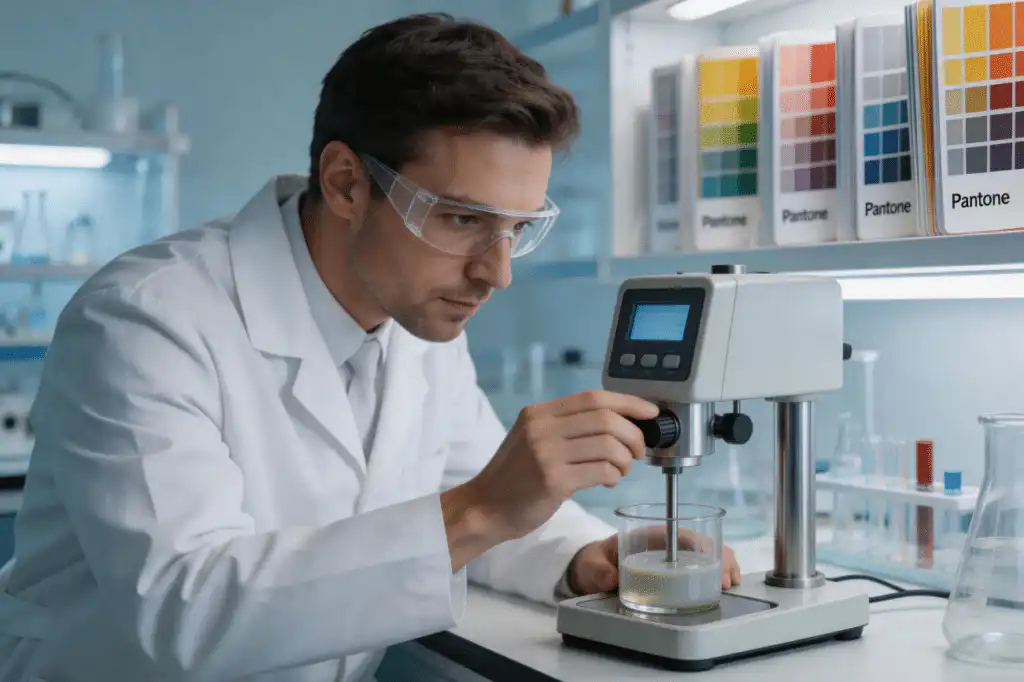
During your initial discussions, test their R&D capabilities. Can they accurately match a specific Pantone color? Can they adjust the viscosity of a builder gel so it perfectly suits the climate of your target market? Middlemen will often dodge these technical questions, whereas a real factory will provide scientific answers.
JTING NAIL Laboratory Advice: Always ask the supplier about their pigment grinding process. High-quality gel polish requires nanoscale grinding to ensure the color remains vibrant and does not separate or sink to the bottom of the bottle after three months.
4. Sample Testing and Batch Consistency
Getting a perfect initial sample is easy; maintaining that exact quality for an order of 10,000 bottles is the real challenge. Batch consistency is the true test of a manufacturer’s quality control system.
When you receive samples, conduct a blind test. Check for adhesion strength on different nail plate types, monitor the curing temperature to ensure there are no painful heat spikes under UV/LED lamps, and expose cured top coats to sunlight to test for yellowing resistance.
Furthermore, ask the supplier about their Acceptable Quality Limit (AQL) and their “Golden Sample” retention policy. A professional manufacturer will keep a sealed sample of your specific formula from every batch they produce, allowing for precise traceability if any issues arise months later.
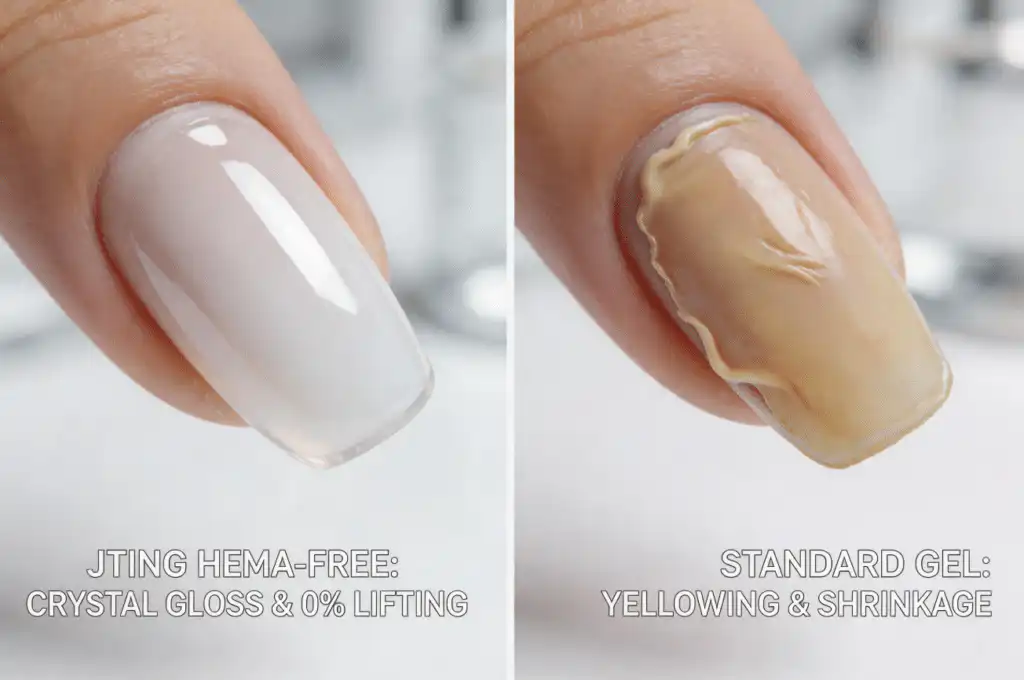
5. JTING NAIL vs. Standard Suppliers: The Quality Gap
We understand the anxiety of placing large overseas orders. Here is how our commitment to manufacturing excellence compares to average market standards.
| Evaluation Area | What to Check | Strong Manufacturer Standard |
|---|---|---|
| Formula Safety | Check whether the supplier can provide HEMA-free, TPO-free, vegan, low-odor, or low-sensitization formula options. | Clear formula positioning, ingredient transparency, and safety documentation matched to the actual product. |
| Quality Control | Check color consistency, viscosity, curing performance, bottle filling, label quality, and packaging inspection standards. | Batch records, retained samples, color checks, and clear quality control procedures before shipment. |
| Technical Support | Check whether the supplier can answer questions about pigment stability, curing time, viscosity, application performance, and target-market requirements. | Direct support from R&D or technical staff, not only general sales communication. |
| Compliance Support | Check whether SDS/MSDS, ingredient information, test reports, formula declarations, and export documents can be provided when needed. | Updated documents, clear file matching, and support for EU, US, or other buyer requirements. |
| OEM/ODM Capability | Check whether the supplier can support color matching, packaging design, private label, collection planning, and bulk production. | Structured sampling process, packaging options, production timelines, and scalable order support. |
| Communication Efficiency | Check whether the supplier responds clearly about MOQ, sample fees, lead time, customization cost, shipping preparation, and after-sales support. | Transparent communication, written confirmation, and clear project management from sampling to shipment. |
At JTING NAIL, our role is to help beauty brands, salons, wholesalers, and distributors build gel polish lines with safer formulas, stable production quality, private label support, and practical OEM/ODM solutions. Buyers can use the checklist above to evaluate any potential supplier before committing to bulk production.
Conclusion: Partner with Proven Authority
Evaluating a gel polish supplier requires diligence, technical knowledge, and an uncompromising stance on safety. Your brand’s success relies on the molecular integrity of the products you sell. By demanding transparent certifications, testing R&D depth, and verifying batch consistency, you protect your business from costly supply chain disasters.
At JTING NAIL, we don’t just manufacture gel polish; we engineer brand trust. With strict GMP-certified facilities and a relentless focus on HEMA-free innovations, we empower salon-exclusive brands to scale globally without quality concerns. Ready to experience the difference a true manufacturing partner makes? Contact us today to request your professional sample testing kit and start building a flawless product line.