Essential Nail Care Tips: The Professional’s Guide to Healthy, Long-Lasting Manicures
In the competitive nail industry, the secret to a flawless finish isn’t just in the bottle—it starts with the foundation. As a leading nail gel manufacturer, we see firsthand how proper nail health impacts the performance of professional products.
Whether you are a salon owner or a brand distributor, educating your clients on these essential care tips will reduce lifting complaints and build long-term brand loyalty.
1. Hydration is the Key to Adhesion
Most “lifting” issues aren’t caused by the gel itself, but by the natural nail being too brittle.
The Science: When a nail is dehydrated, it shrinks and curls away from the rigid gel coating.
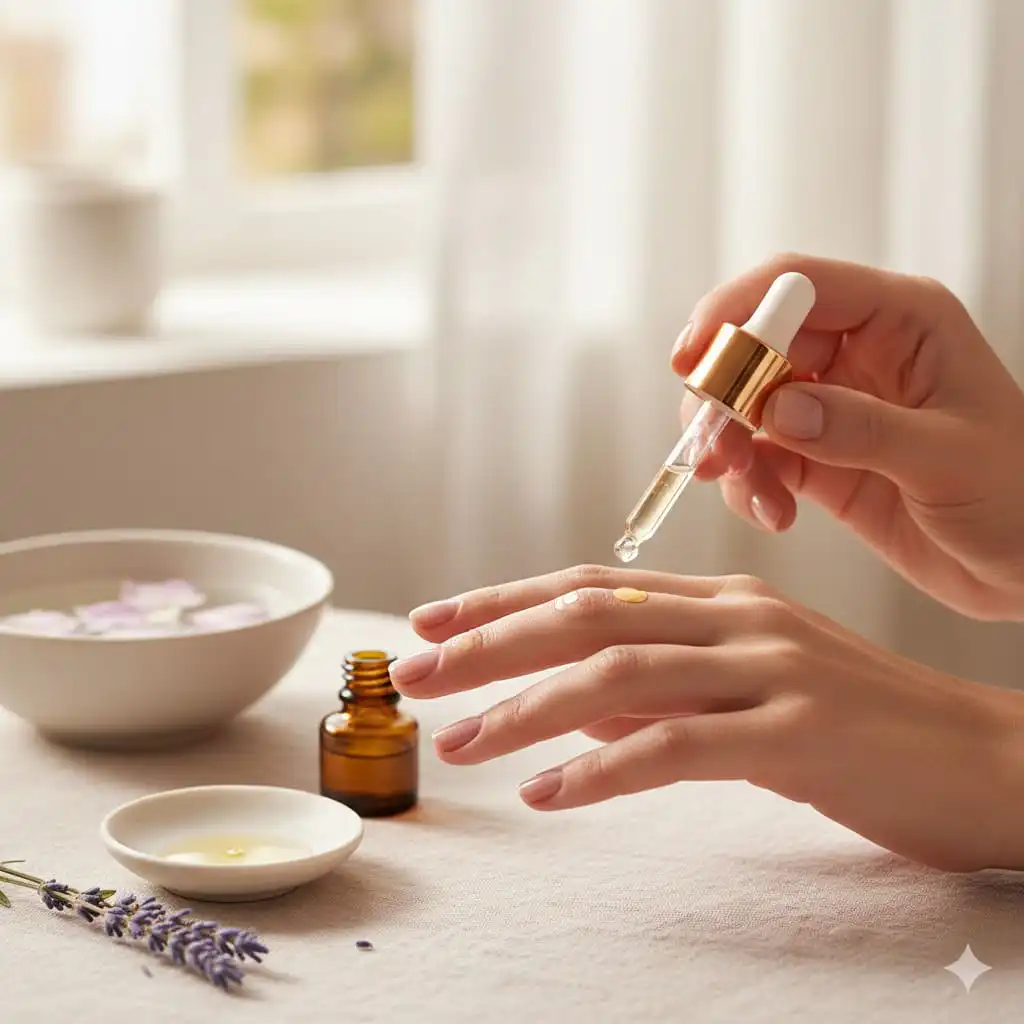
The Pro Tip: Recommend daily application of a high-quality cuticle oil containing Jojoba Oil. Its molecular structure is small enough to penetrate the nail plate, keeping it flexible and ensuring the gel bond stays intact.
2. Avoid Over-Buffing the Natural Plate
Thin nails lead to heat spikes under UV lamps and poor product retention.
The Shift: Instead of heavy sanding, use a high-grit buffer (180/240) to gently remove the surface shine. Preserving the dorsal layer of the nail is crucial for a healthy, pain-free application.
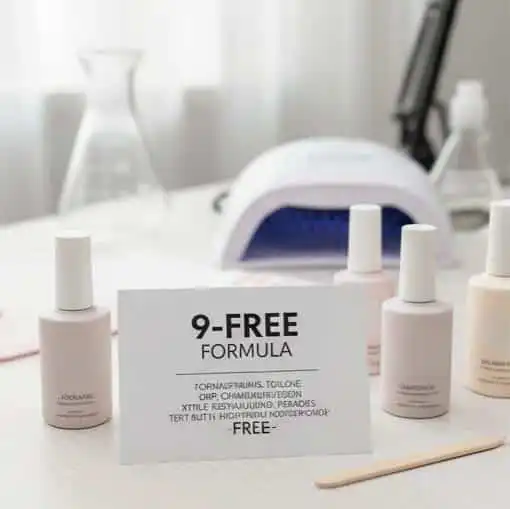
3. The "9-Free" Standard: Safety as a Selling Point
Modern consumers are hyper-aware of chemical ingredients. Transparency is no longer optional; it’s a requirement for entry into Western markets.
Compliance: Always opt for formulas that are 9-Free (free from Formaldehyde, Toluene, DBP, etc.). Using biocompatible resins not only protects the technician but ensures your clients’ nails don’t turn yellow or become brittle over time.
4. Proper Removal: The "No-Pick" Policy
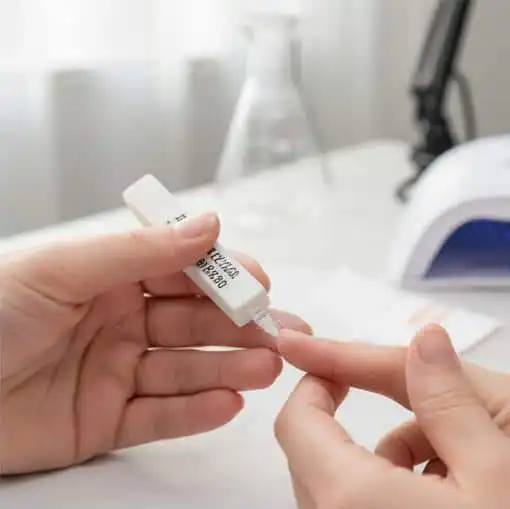
The quickest way to ruin a brand’s reputation is for a client to experience “thin nails” after removal.
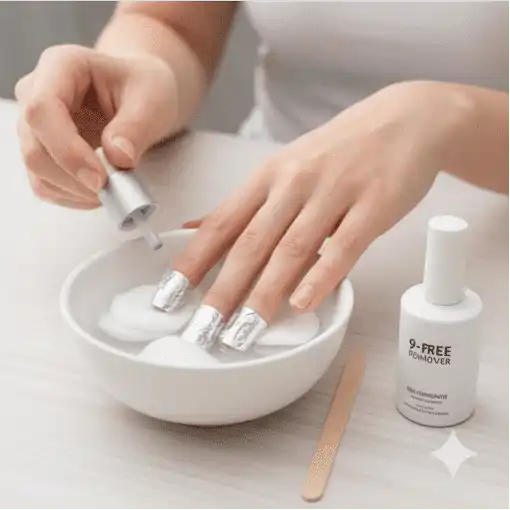
Education: Mechanical damage from peeling off gel can take months to grow out. Emphasize a professional soak-off process or the use of a specialized builder gel base that allows for “infills,” minimizing direct contact with the natural nail.
5. Strategic "Breathing" Room
While nails don’t technically “breathe,” the hyponychium and nail bed need recovery time from constant chemical exposure.
Best Practice: Suggest a “Nail Detox” every few months. Using a keratin-rich strengthener during this break helps restore the nail’s protein structure, making it a perfect canvas for the next set.