Deep in the Heart of North America's Beauty Hub
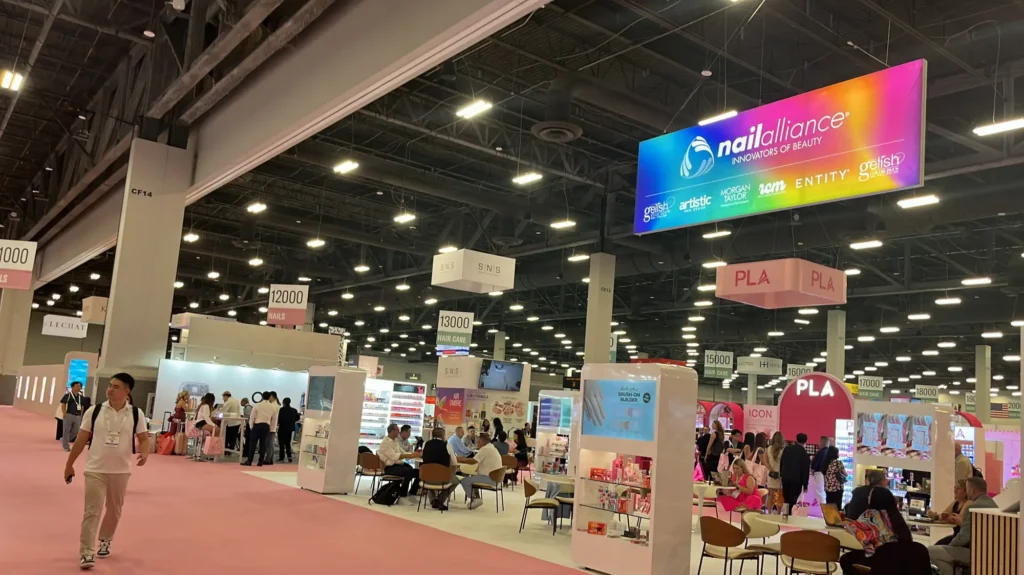
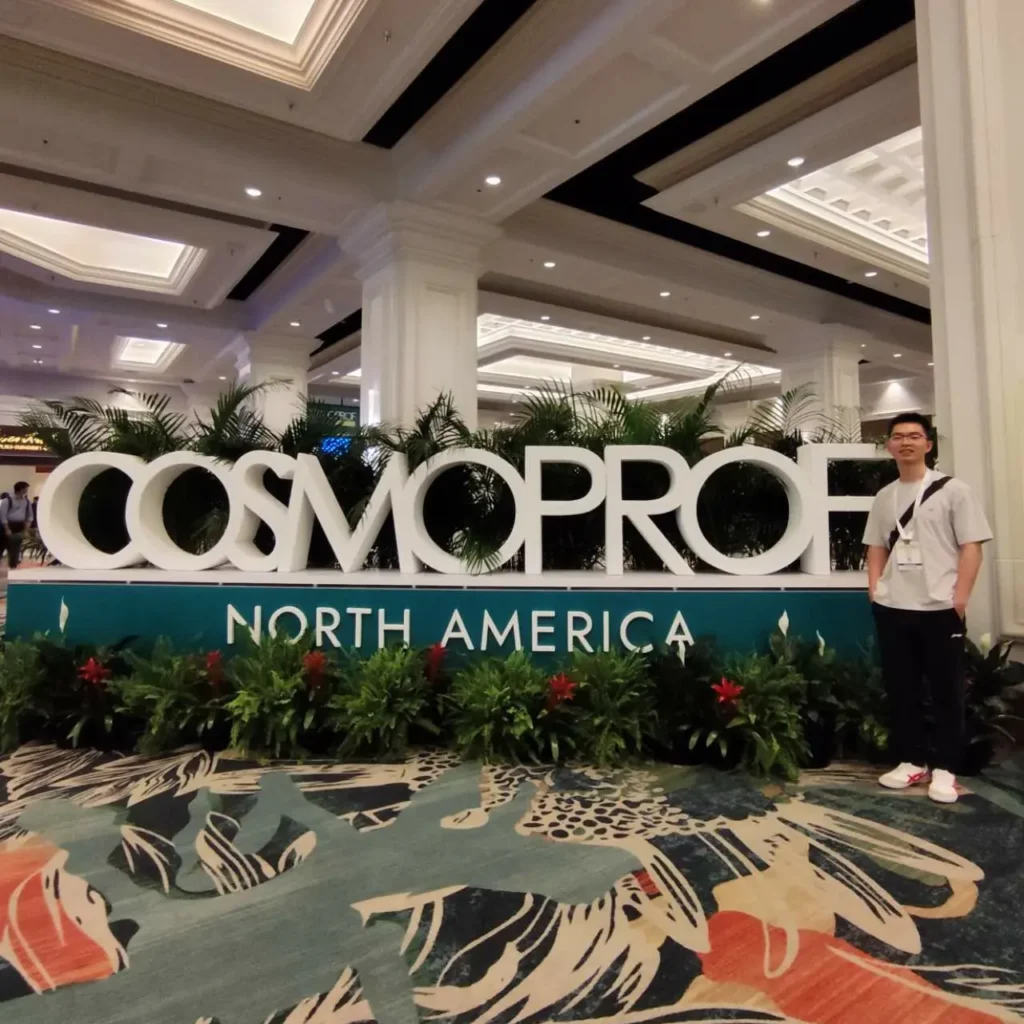
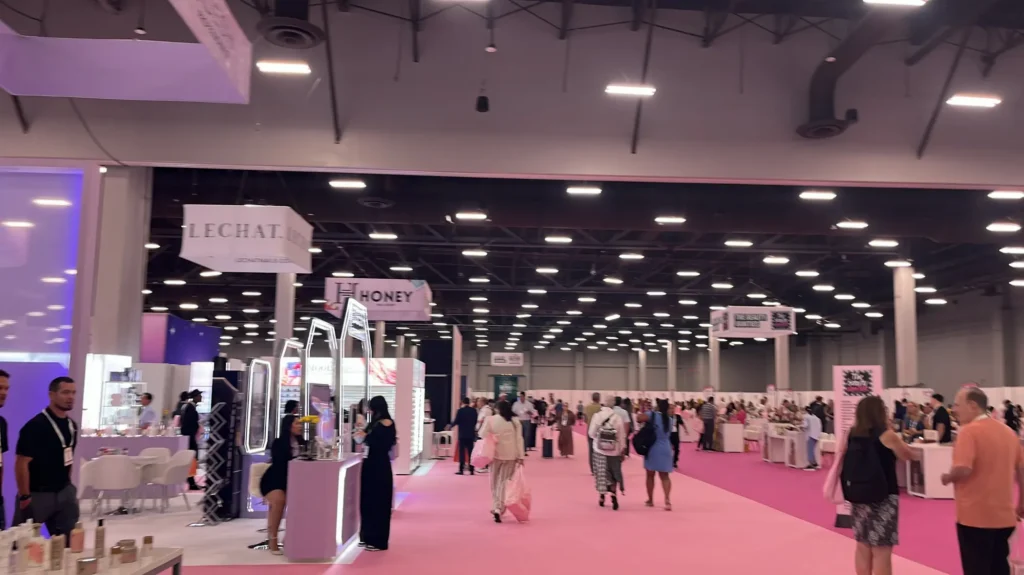
We spent three days on the ground at the 23rd edition of Cosmoprof North America, held July 13–15, 2026, at the Mandalay Bay Convention Center in Las Vegas. This year’s show drew more than 26,000 attendees and over 1,000 exhibitors from 113 countries, with the co-located Cosmopack section once again functioning as the primary sourcing venue for formulation, packaging, and full-service manufacturing partners across the beauty supply chain. As global nail gel supply chain observers, our objective was straightforward: walk every nail-specific aisle, sit down with distributors from every region we could reach, and read the show floor for where professional gel systems are actually heading — not where marketing decks say they’re heading.
The pattern was unmistakable by the end of day one. The professional nail category is moving decisively away from flat, single-tone color and toward engineered, multi-dimensional gel systems built on layered optics, textural complexity, and increasingly strict clean-chemistry requirements. This article summarizes what we saw, what distributors told us, and what it means for procurement decisions heading into the back half of 2026.
The Show Floor Reality: Advanced Gel Formulations and Visual Complexity
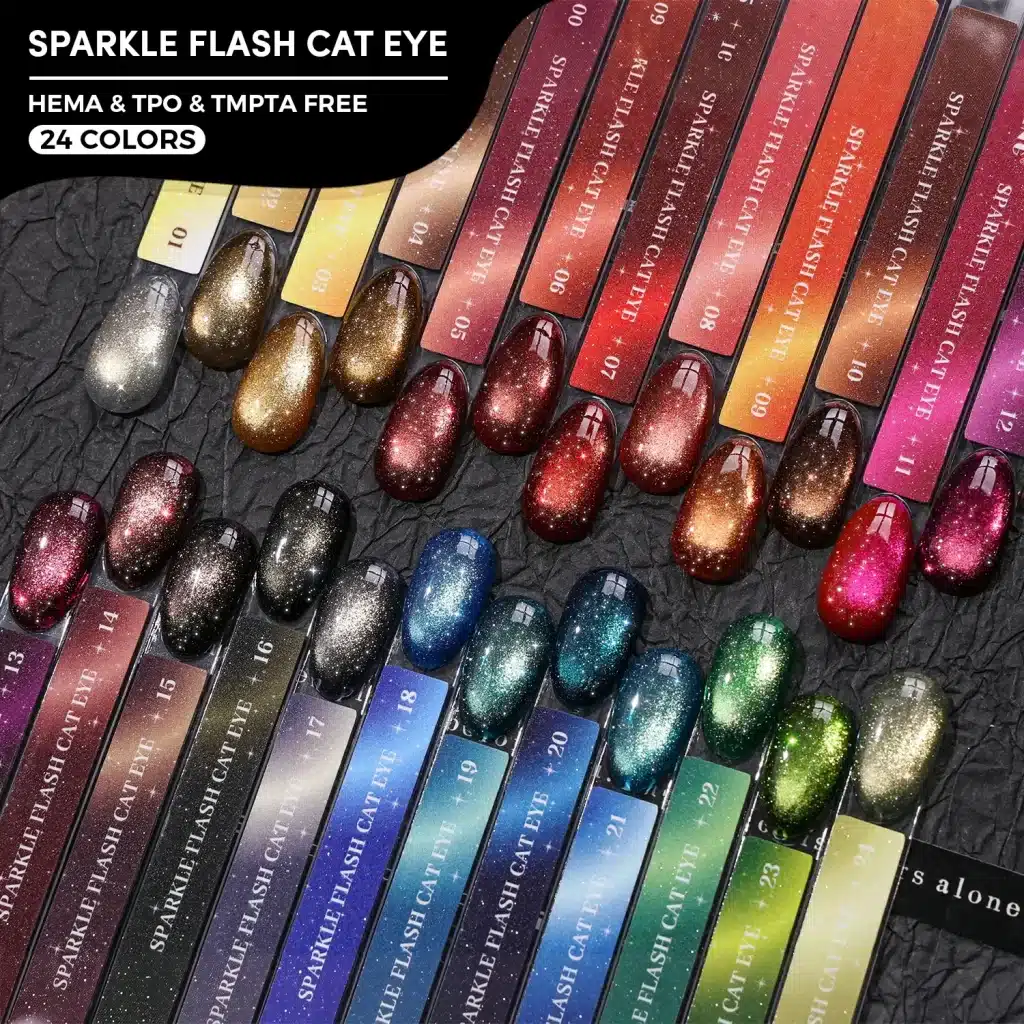
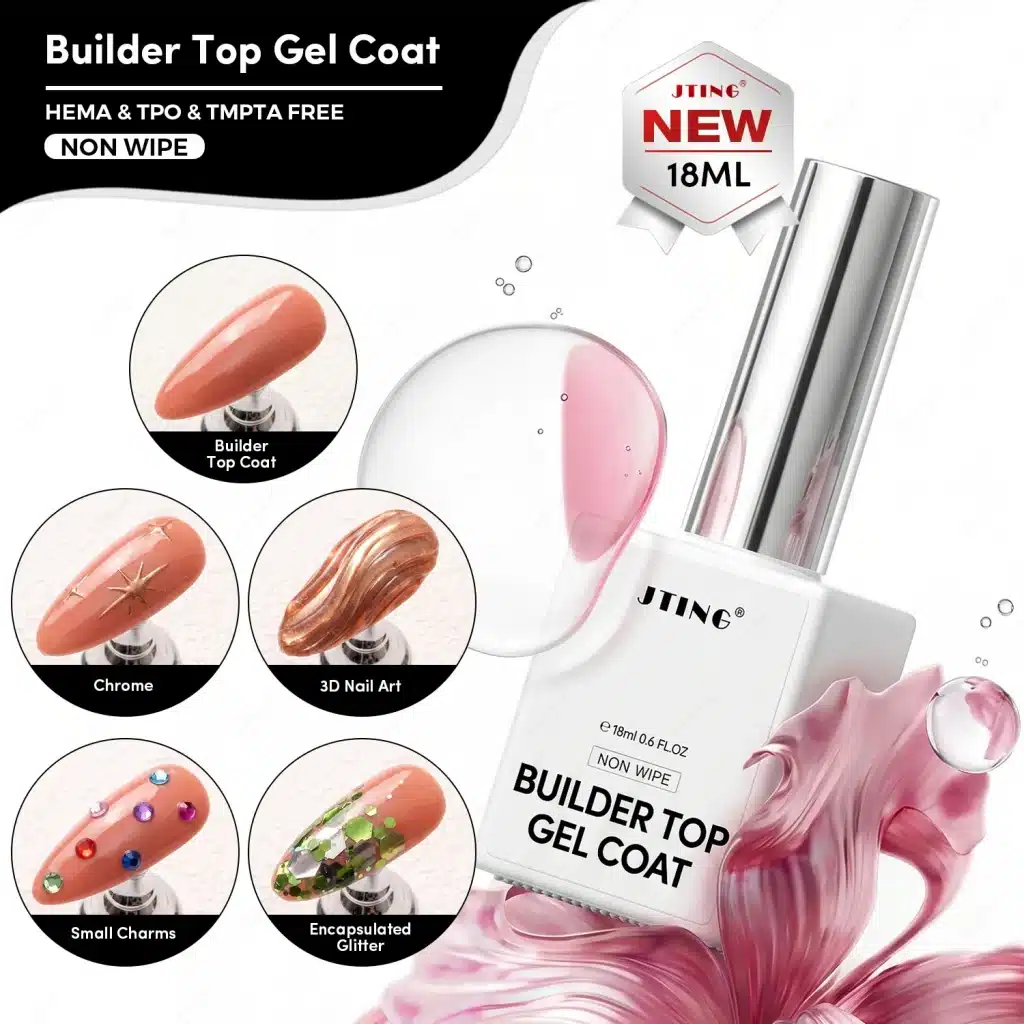
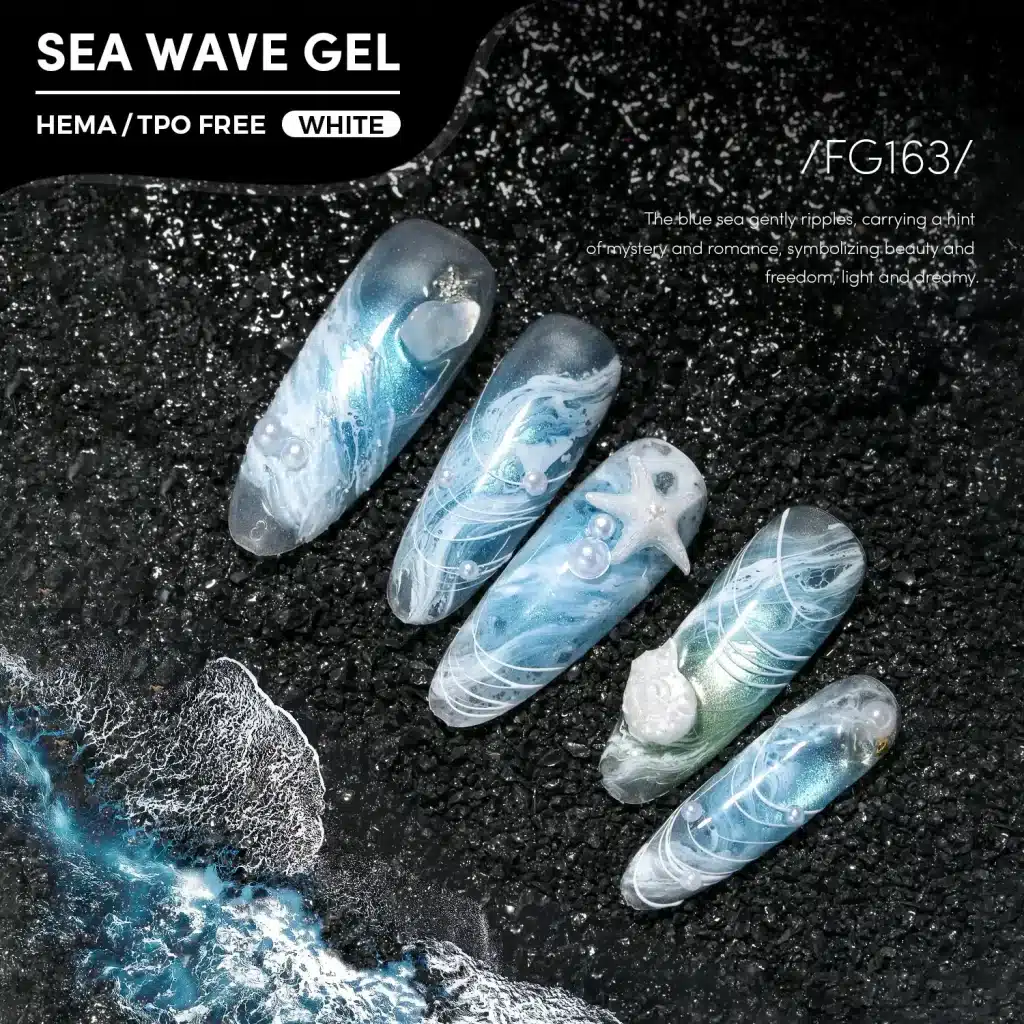
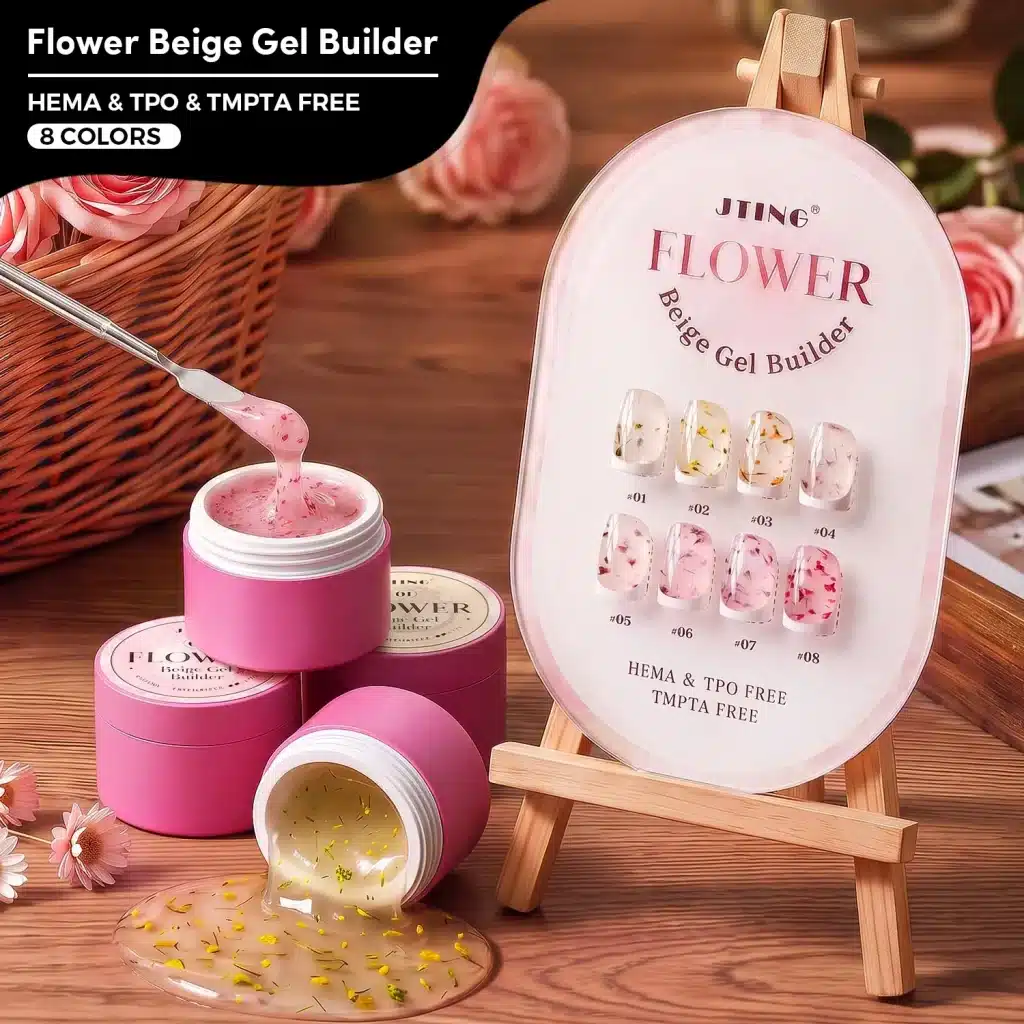
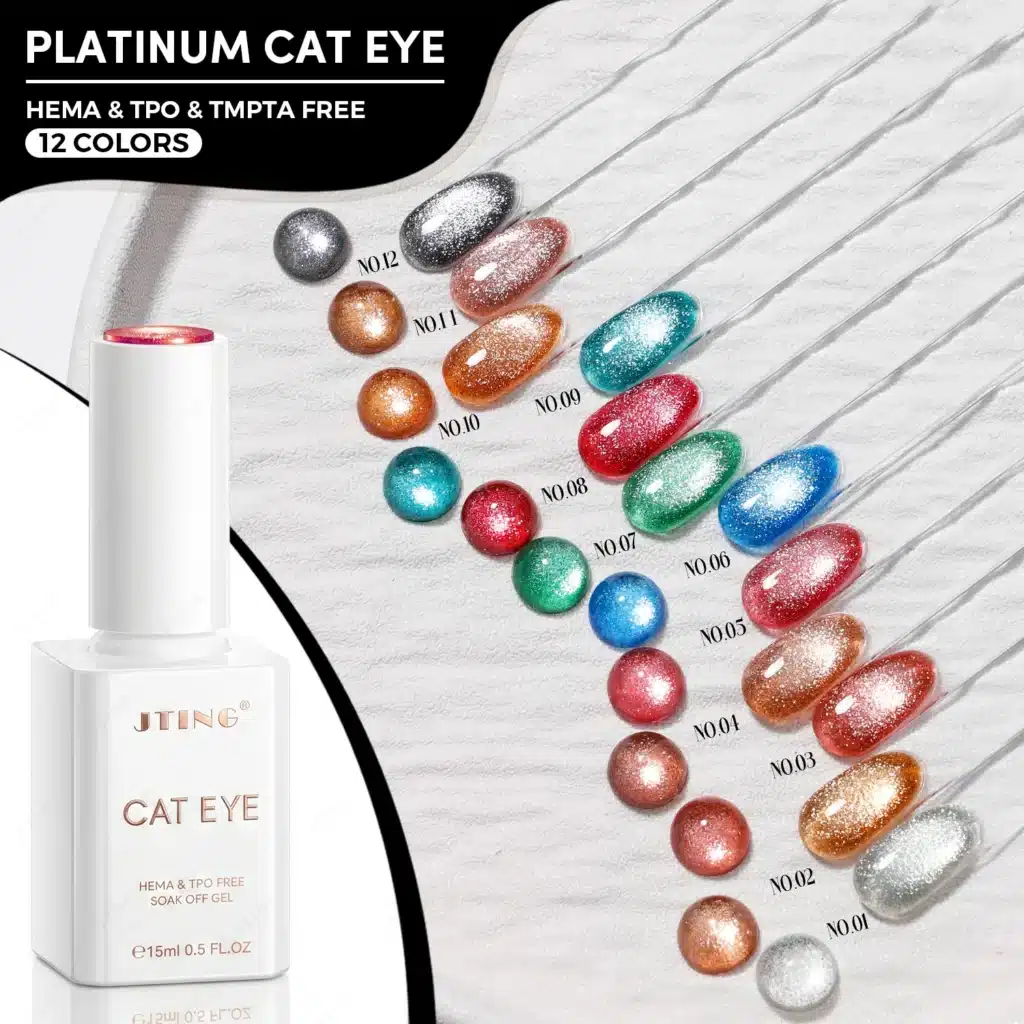
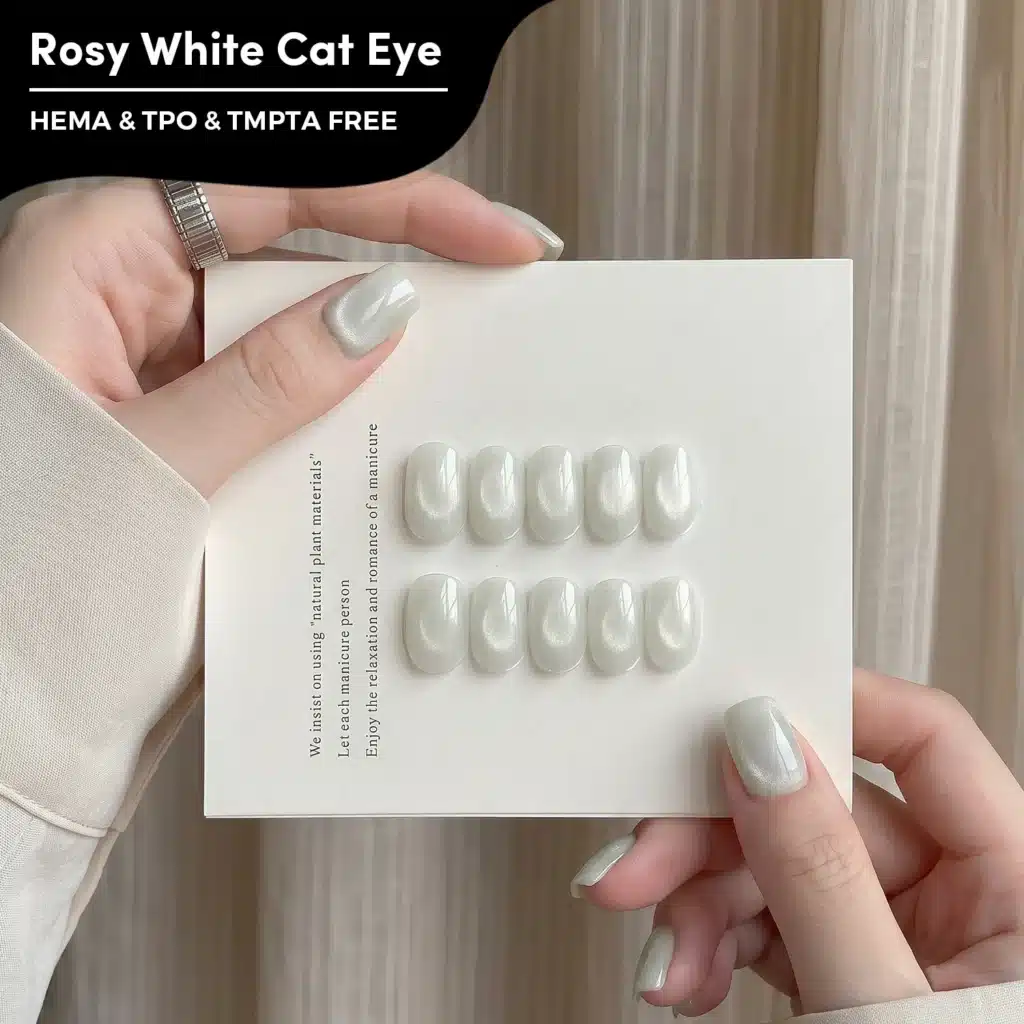
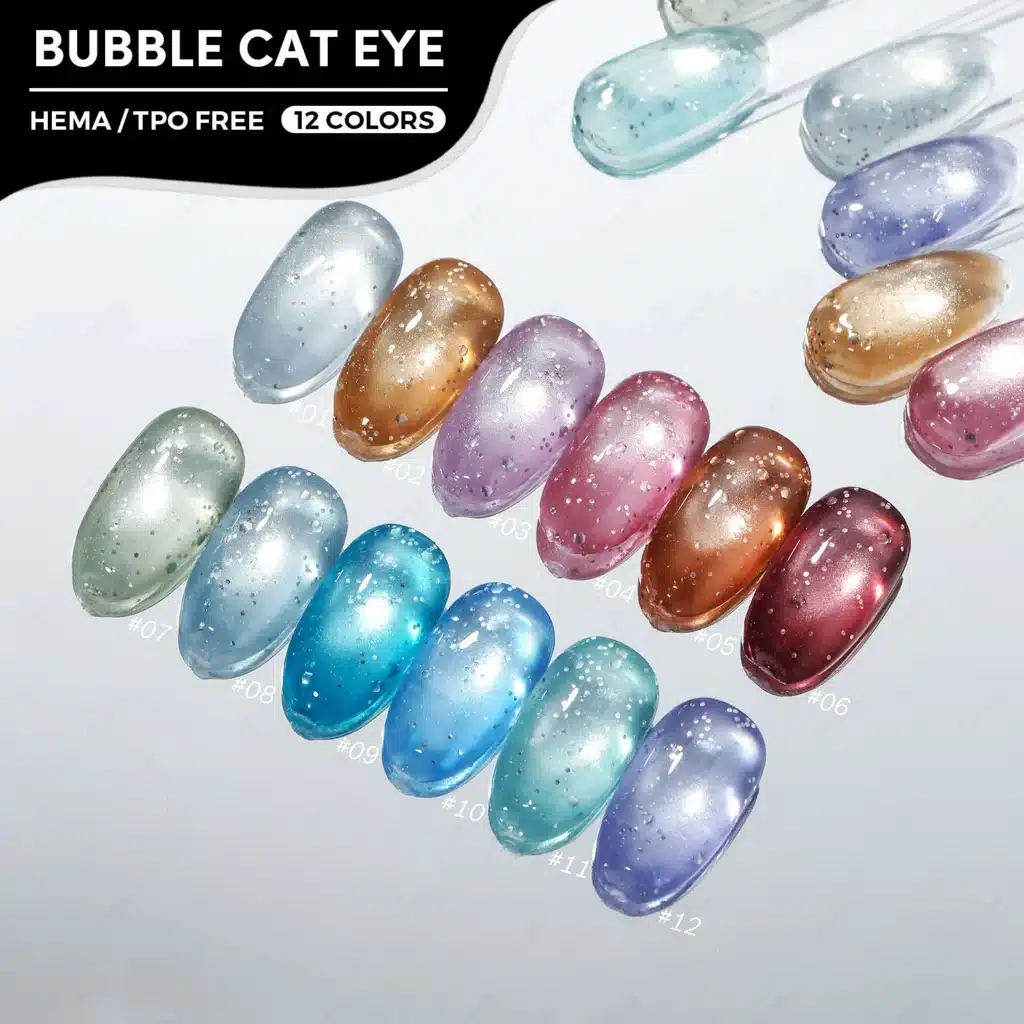
Walking the nail pavilions, the shift toward dimensional finishes was the dominant story. We saw multiple exhibitors leaning into cat-eye and magnetic-effect gels engineered for lighting-dependent shimmer, alongside a clear buyer appetite for what the trend press has been calling “Baccarat” or crystal-facet texture — a layered build of cat-eye base, matte top coat, and fine 3D builder-gel linework designed to catch light like cut glass. Adjacent to that, sculptural “dome” and jelly-gel techniques, where a sheer color base is capped with a thick, shape-holding builder gel and a no-wipe high-gloss top coat, were repeatedly cited by buyers as the fastest-growing request category coming out of 2026 salon education circuits.
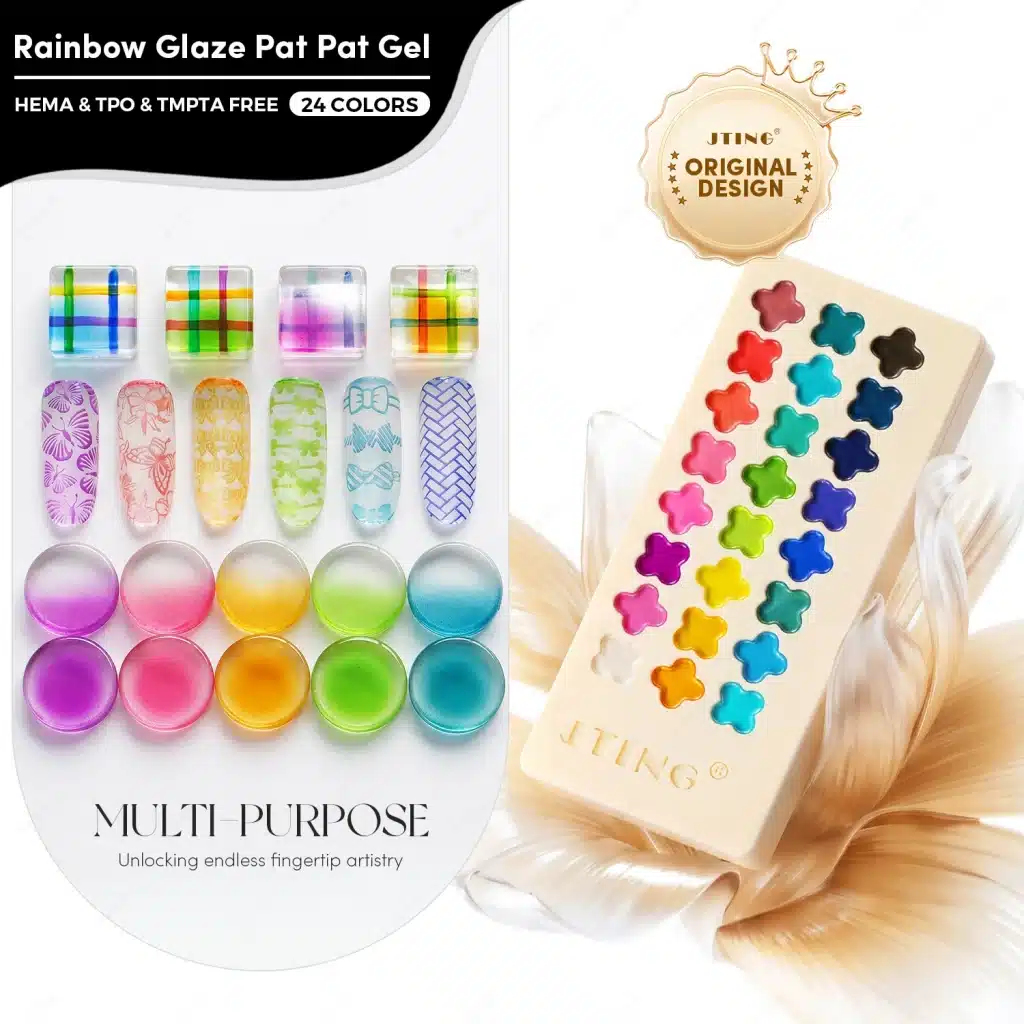
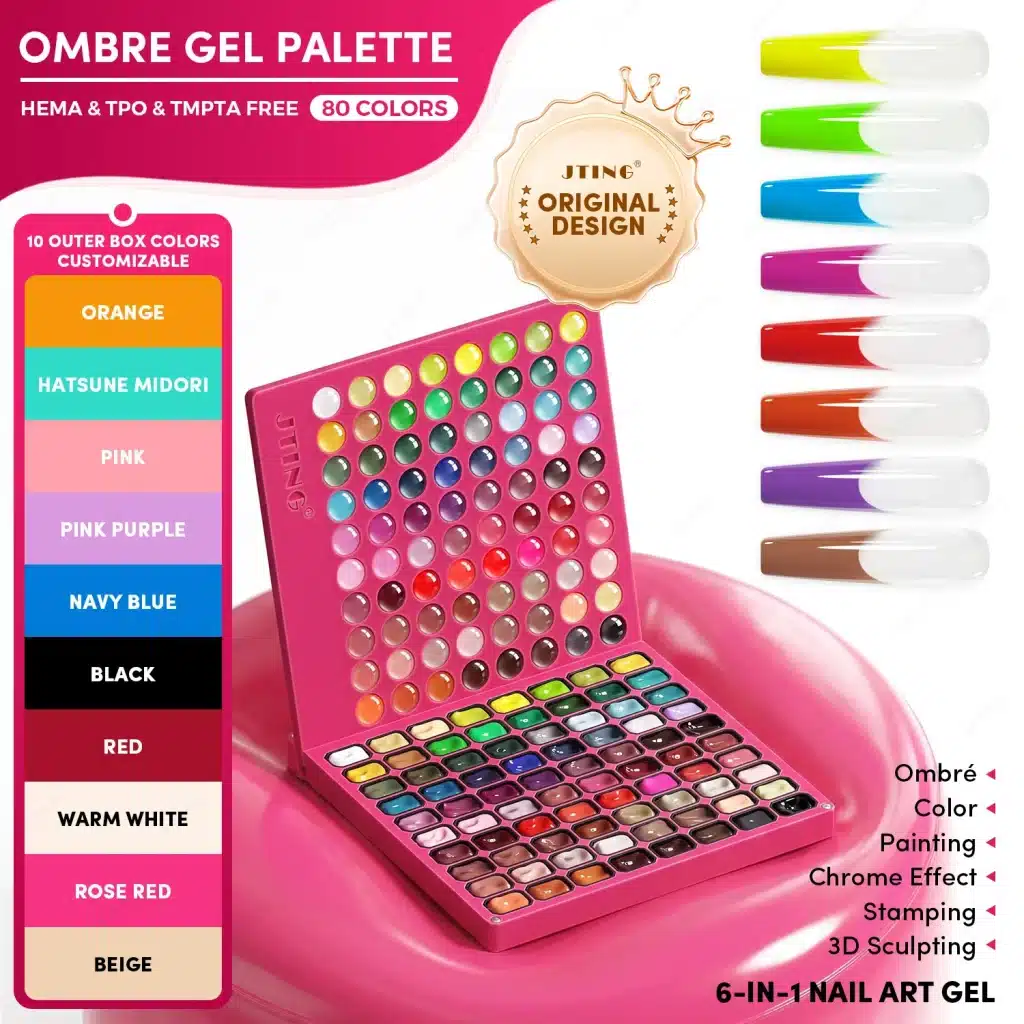
What distributors kept returning to in conversation was margin. A basic solid-color gel is now a commodity; a gel system that supports layered texture, magnetic movement, or sculptural dimension is a premium SKU that supports a materially higher retail markup — and it photographs better, which matters as much for salon marketing as it does for the manicure itself. This is exactly the design brief behind our own Mirror Powder Cat Eye line, which suspends a reflective, magnet-responsive pigment in the gel to deliver a mirrored, depth-shifting glow under a single cure, and our Water Drop Gel, engineered to form raised, dew-like beads across the nail for a dimensional, wet-look finish without additional hand-painted linework. Both were built to let a technician deliver a multi-layered, camera-ready result in standard chair time rather than the extended sessions that hand-applied texture usually requires.
The Core Consensus: Clean Chemistry (HEMA-Free) Is the New Standard
If dimensional texture was the visual story of the show, clean chemistry was the compliance story — and it came up in nearly every distributor meeting we had. The European Union’s ban on TPO in nail products and its tightened restrictions on HEMA, both in effect since September 2025, have had a spillover effect well beyond Europe: brands that sell internationally can no longer maintain one formula for EU shelves and a different one for North America, so reformulation has accelerated globally. Buyers told us this shift has moved hypoallergenic formulation from a marketing claim to a baseline procurement requirement, particularly for any brand hoping to place product with multi-location salon groups or large distributor networks.

The underlying concern is occupational, not just cosmetic. HEMA is a well-documented contact allergen, and nail technicians carry a disproportionate exposure load compared to their clients simply through repetition — dozens of services a week, year over year, with direct skin contact to uncured product. That cumulative exposure is what is now driving procurement conversations, and it’s why our formulation program has stood on a 100% HEMA-free, TPO-free, and TMPTA-free foundation. We build for longevity of use — for the technician applying the product every day as much as for the client wearing it every two weeks — and multiple distributors we spoke with confirmed that documentation of a clean formulation, not just a label claim, is now a standard part of their vetting process before a purchase order is signed.
Gel Supply Chain Consolidation: Distributors Seek "One-Stop" Factory Partners
The third pattern we tracked across our meetings was structural rather than product-specific: North American distributors are visibly tired of fragmented sourcing. Piecing together a gel line from one factory for base and builder gels, another for special-effect top coats, and a third for private-label packaging introduces batch-to-batch inconsistency, longer lead times, and more points of failure in quality control — and buyers were candid with us about how much that fragmentation costs them in returns and reformulation delays.
What they are asking for instead is consolidation: a single manufacturing partner capable of delivering a full catalog — flawless builder gels, dimensional cat-eye and textured top coats, and clean-chemistry base systems — under one roof, with consistent batch stability across the entire order. That is the role we build our production around: a full-suite nail gel manufacturing partner capable of carrying a distributor’s entire gel program from formulation through private-label packaging without handing pieces of the order to outside factories.
If you missed the chance to meet with our gel formulation experts in Las Vegas, you can explore our complete premium gel catalog and request commercial sample kits online today.